
Mountain View's Neighborhoods, Explained: Castro Street, Cuesta Park, Waverly Park, and How the Map Really Works

Mountain View’s Neighborhoods, Explained: Castro Street, Cuesta Park, Waverly Park, and How the Map Really Works
Mountain View is the Silicon Valley city buyers most often misread. From the outside it looks like one place. On the ground it is a dozen distinct neighborhoods with different housing stock, different school assignments, and price differences that can run seven figures across a two-mile drive.
This is the fifth installment in a series I have been writing on how the valley’s towns actually break down — after Saratoga, Los Gatos, Cupertino, and Sunnyvale. Mountain View earns its own entry because it has the widest internal spread of any of them.
Start With the Two Things That Move Price Here
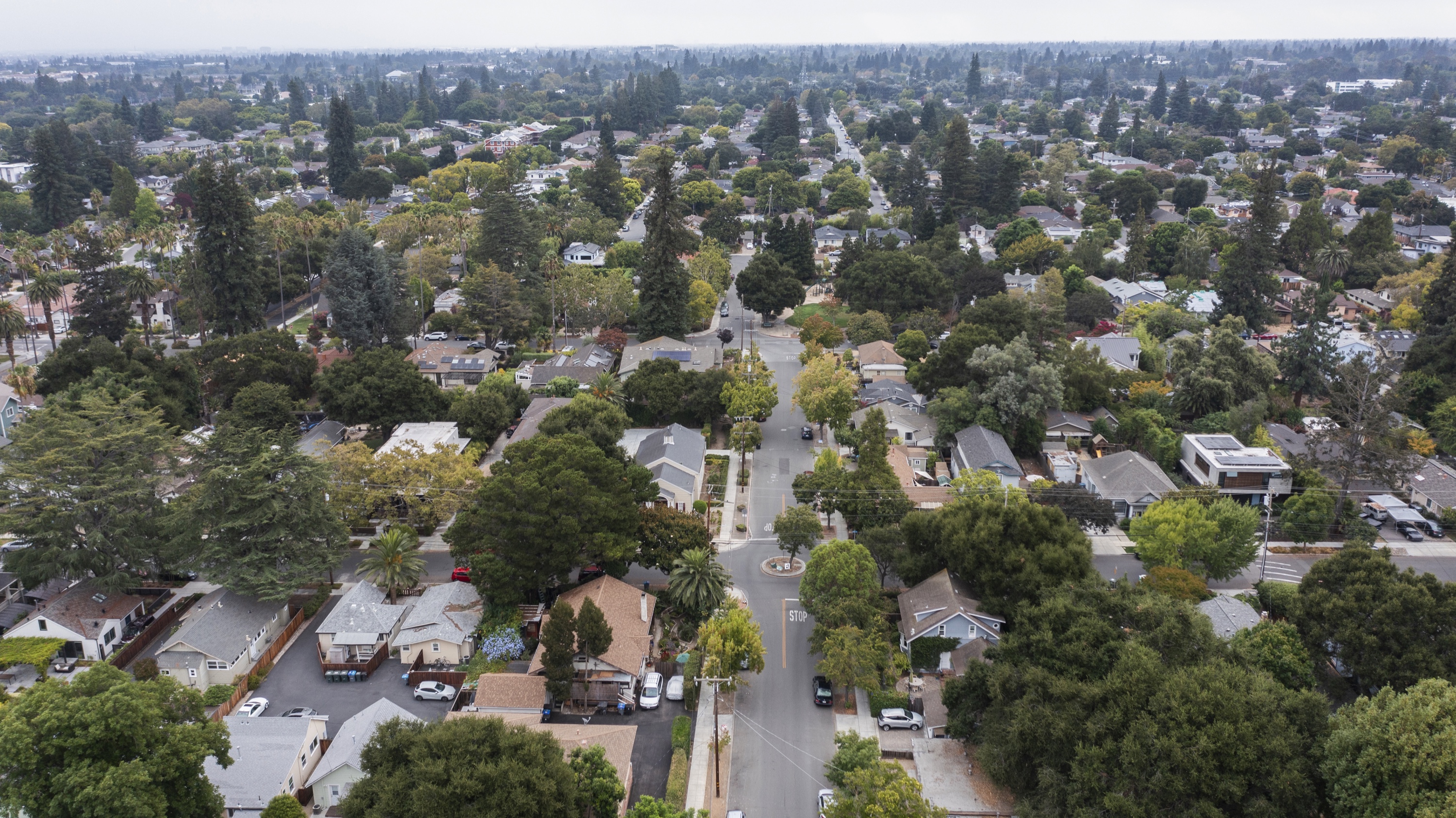
Before any neighborhood-by-neighborhood tour, understand the two variables that explain most of the price difference inside this city:
- Which school district the address actually feeds. Most of Mountain View is served by the Mountain View Whisman School District for elementary and middle, then the Mountain View–Los Altos Union High School District. But certain southern and western pockets of the city sit inside the Los Altos School District boundary. Those addresses carry a persistent premium, and the boundary does not follow the city line in a way anyone would guess from a map.
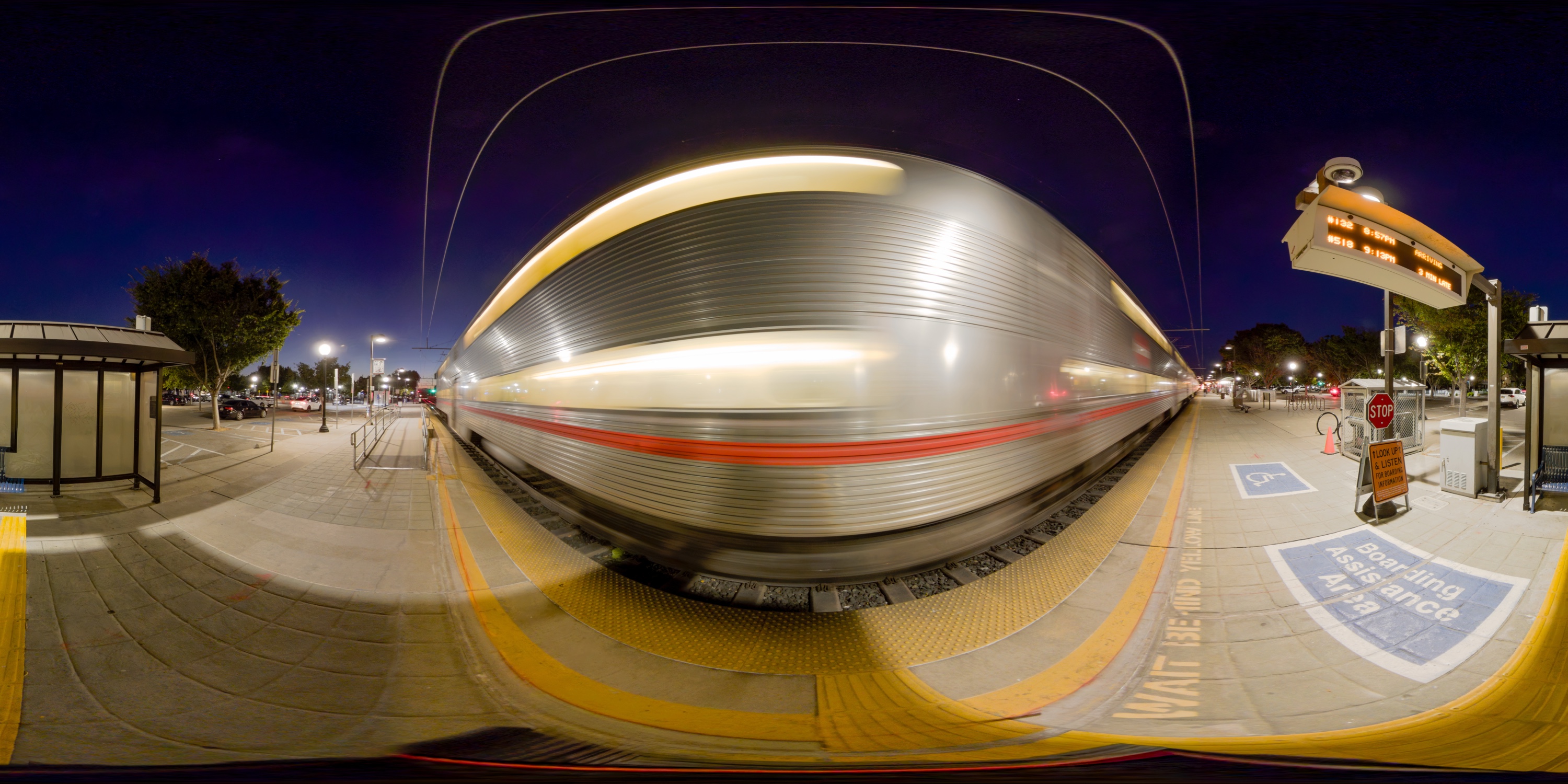
- Walking distance to Castro Street and the Caltrain station. Downtown Mountain View is one of the few genuinely walkable, restaurant-dense downtowns in the valley, and it sits on top of a Caltrain station with light rail service. Homes inside a comfortable walk of it price differently than homes that require a car for everything, and that gap has widened over the last decade rather than narrowed.
Everything below is really a variation on those two inputs.
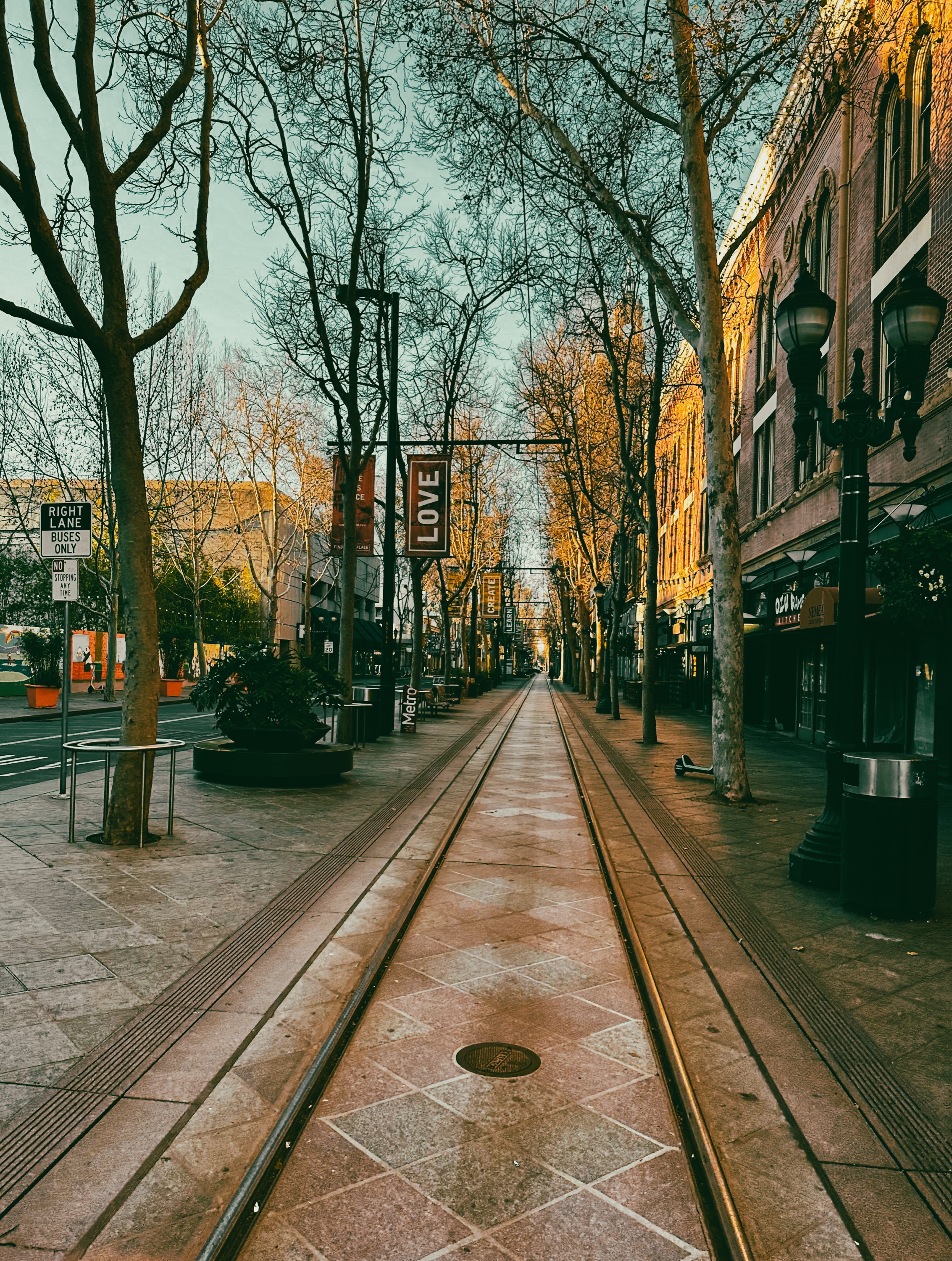
Old Mountain View — The Walkable Core
The blocks immediately around Castro Street. Housing here is the city’s oldest and most eclectic: early-century cottages and bungalows, a good deal of thoughtful renovation, and townhome and condo product filled in around the edges. Lots run small.
Who buys here: people who want to walk to dinner, a farmers market, and a train. It draws a mix of younger tech buyers who want the lifestyle without a commute and downsizers trading a large lot for walkability. Expect competition on anything genuinely turnkey, and expect to pay for the location rather than the square footage.
Cuesta Park — The Family Anchor

Just south of downtown around the park of the same name. Predominantly postwar single-family homes on flatter, more consistent lots, with mature street trees and one of the better park amenities in the city at its center.
Cuesta Park is where a lot of Mountain View families land, and the reason is straightforward: it combines real neighborhood feel with a short drive to downtown and easy access to both 85 and 237. Housing stock ranges from largely original three-bedroom homes to substantial rebuilds, which means the price band inside a single neighborhood can be wide. That variability is an opportunity for buyers willing to renovate.
Waverly Park — The Quiet Premium
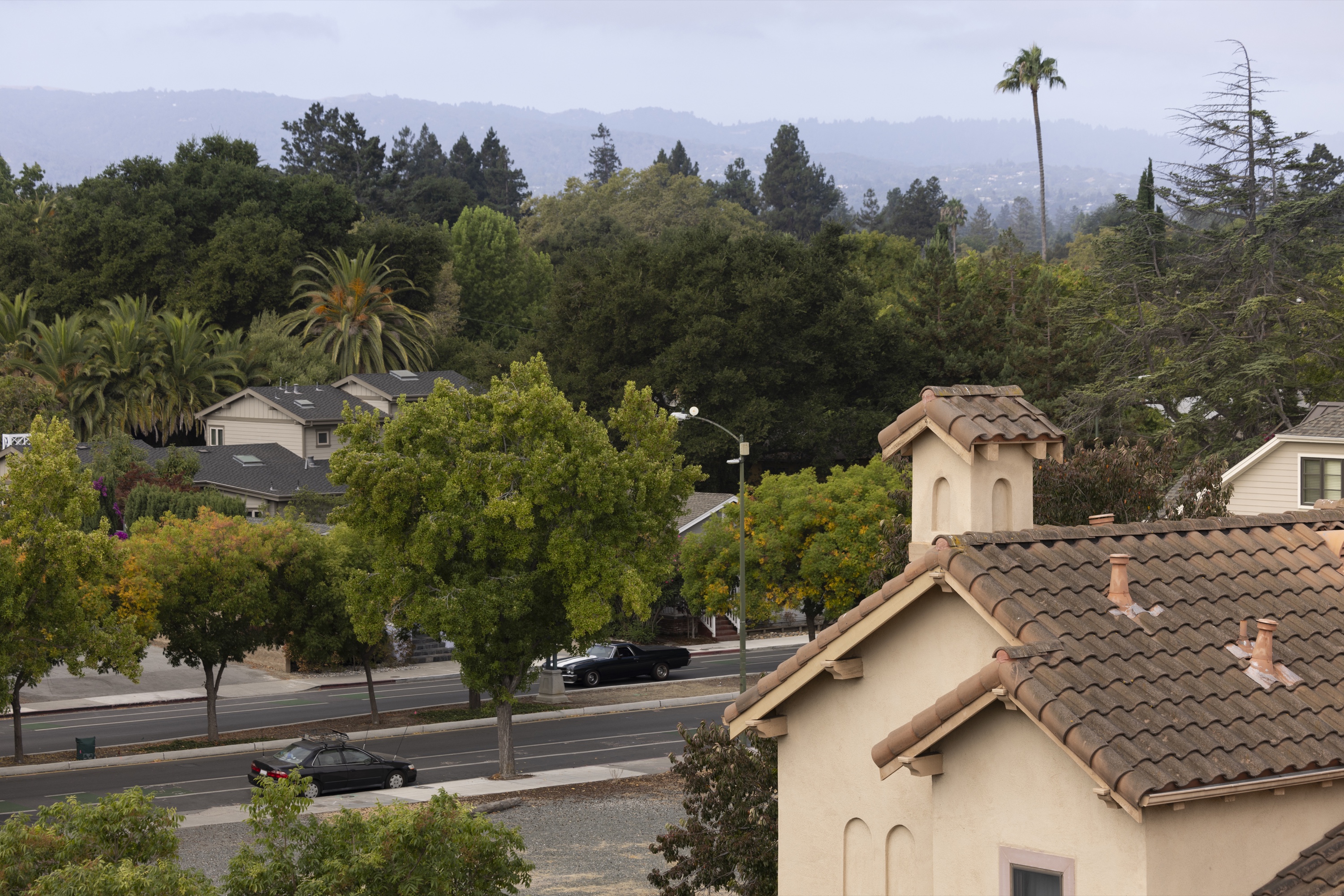
South Mountain View, bordering Los Altos. Larger lots, wider streets, and the strongest concentration of substantial single-family homes in the city. Waverly Park consistently sits at the top of Mountain View’s pricing, and part of the reason is that it feels like Los Altos while being addressed Mountain View.
This is the neighborhood I point buyers to when they have a Los Altos budget but want more house for it, and it is also where the school boundary question matters most. Confirm the specific address’s assignment before you fall in love — within Waverly Park and the adjacent pockets, that one detail meaningfully changes value.
Monta Loma, Rex Manor, and Sylvan Park — Mid-Century North
North and central Mountain View, roughly between Central Expressway and the 101 corridor. These are the postwar tracts, including a notable concentration of mid-century modern homes on consistent lot patterns.
Three things buyers should know here:
- This is generally where Mountain View’s more attainable single-family entry point sits — which in this city still means a serious number, but the delta versus Waverly Park is significant.
- Mid-century homes carry specific ownership realities: original single-pane glazing, radiant slab heating in some tracts, flat or low-slope roofing. None of that is disqualifying, all of it belongs in your inspection budget.
- Proximity to the North Bayshore employment core is as good as it gets in the valley. For a Google or LinkedIn commute, this is a bike ride, not a drive.
Whisman Station and Shoreline West — Transit-Oriented
Whisman Station is a planned, denser district built around VTA light rail, heavy on townhomes and newer attached product. Shoreline West sits west of the freeway toward the bay side of the city.
These areas are where Mountain View’s entry-level ownership actually lives — townhomes and condos rather than detached homes — and they attract a specific buyer: the tech employee who wants to own, wants a short commute, and does not need a yard. For investors, this is also the most rentable product in the city, because the tenant pool is enormous and permanently refreshed.
North Bayshore — The One to Watch
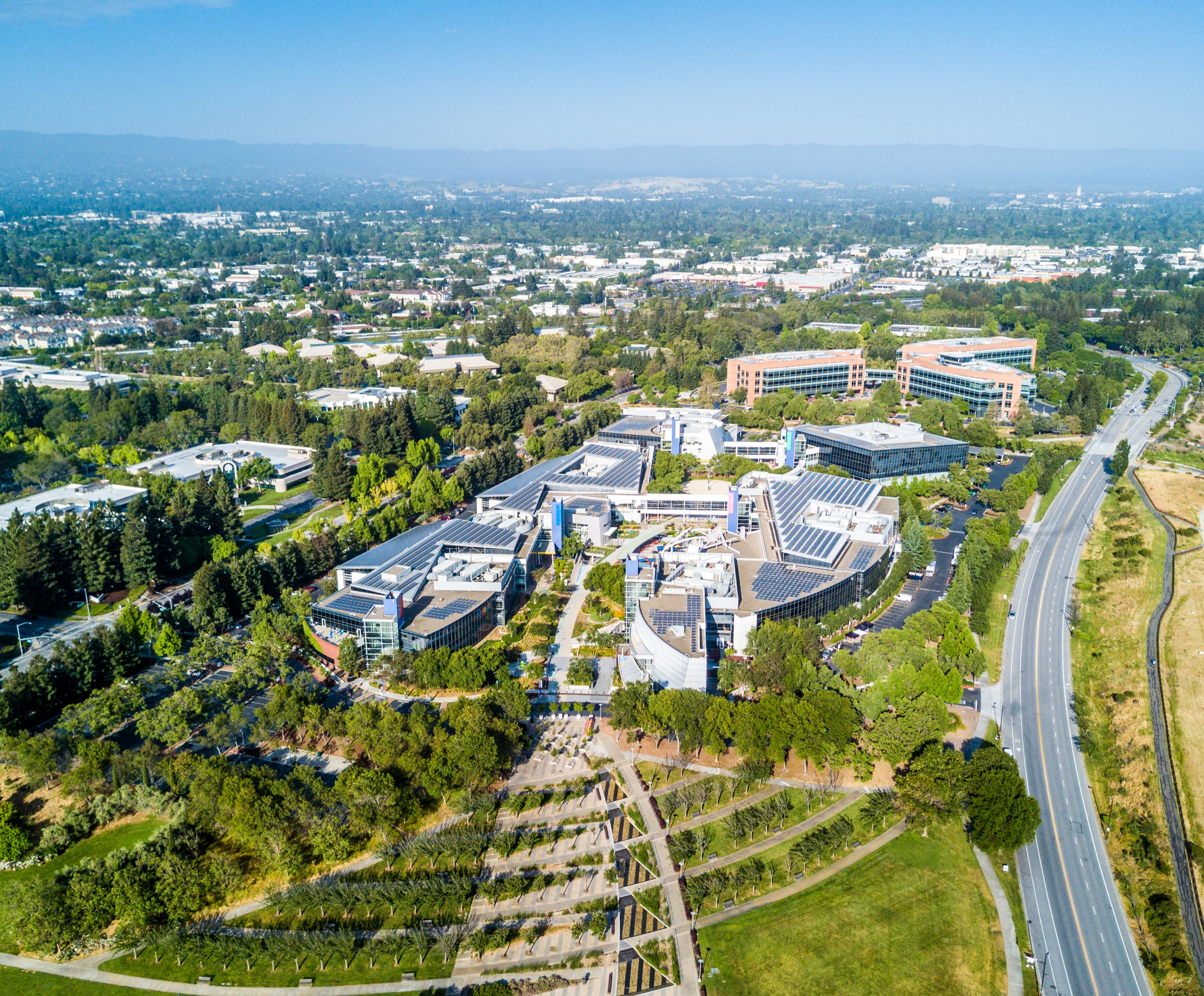
North of 101 is the employment side of Mountain View: the Google campus, adjacent tech offices, Shoreline Amphitheatre, and the bay trails. Historically it has been jobs without housing. The city’s long-term planning contemplates significant residential development in that district, and any owner in the northern neighborhoods should be watching it, because large-scale housing across 101 would change traffic patterns, retail, and demand across the whole north side.
That is a multi-year story rather than a this-year one, but it is the single most consequential open variable in Mountain View real estate.
How to Use This Map as a Buyer
Practical sequence, in the order I run it with clients:
- Decide whether walkability or lot size is the priority. Mountain View makes you choose. Old Mountain View gives you the first, Waverly Park and Cuesta Park give you the second.
- Verify the school assignment for the exact address, not the neighborhood, and not the city. Then verify it again with the district, because assignments and boundaries change.
- Drive the commute at the hour you would actually drive it. Mountain View’s access to 101, 85, and Central Expressway varies enormously by neighborhood and time of day.
- Price the house on its condition, not its address. The internal spread within Cuesta Park and Monta Loma is wide enough that a renovated home and an original one two streets apart are effectively different products.
As a general frame, detached single-family homes in Mountain View commonly trade in a band running from roughly $2 million into the mid-$3 millions depending on neighborhood, condition, and school assignment, with the Los Altos-district pockets above it and attached product below. Confirm current figures for the specific neighborhood and month before you set expectations — this city moves, and it does not move uniformly.
Frequently Asked Questions
What are the best neighborhoods in Mountain View, California?
It depends on what you are optimizing for. Old Mountain View offers the most walkable downtown lifestyle around Castro Street and Caltrain. Cuesta Park is the family anchor with mature streets and park access. Waverly Park carries the city’s highest prices with larger lots bordering Los Altos. Monta Loma, Rex Manor, and Sylvan Park offer mid-century homes at a more attainable entry point, and Whisman Station is the transit-oriented townhome district.
Which schools serve Mountain View homes?
Most of the city is served by the Mountain View Whisman School District for elementary and middle school and the Mountain View–Los Altos Union High School District for high school. Certain southern and western pockets fall inside the Los Altos School District boundary and carry a persistent price premium. Because the boundaries do not follow city lines intuitively, always verify assignment for the specific address with the district.
Is Mountain View a good place to buy for a tech commute?
It is among the best-positioned cities in the valley for it. The North Bayshore employment core sits inside city limits, downtown has a Caltrain station with light rail, and the northern neighborhoods including Monta Loma and Rex Manor put major campuses within a bike ride. The tradeoff is that walkable and transit-adjacent locations command a premium over car-dependent ones.
What is happening with housing in North Bayshore?
North Bayshore, north of Highway 101, has historically been employment rather than housing. Mountain View’s long-range planning contemplates substantial residential development there. It is a multi-year story, but it is the most consequential open variable for the city’s northern neighborhoods and worth tracking if you own or plan to buy on that side of town.
Looking at Mountain View?
Neighborhood, school assignment, and condition matter more here than in almost any other Silicon Valley city. If you are buying or selling in Mountain View, Los Altos, Sunnyvale, Cupertino, or anywhere in the valley, let us map it properly. I am Brad Bell — Coldwell Banker Global Luxury, Silicon Valley native, top 1% of realtors nationally.
Start the ConversationCategories
Recent Posts