
Campbell's Neighborhoods, Explained: Downtown, Pruneyard-Dry Creek, San Tomas, and How the Map Really Works
Campbell’s Neighborhoods, Explained: Downtown, Pruneyard–Dry Creek, San Tomas, and How the Map Really Works
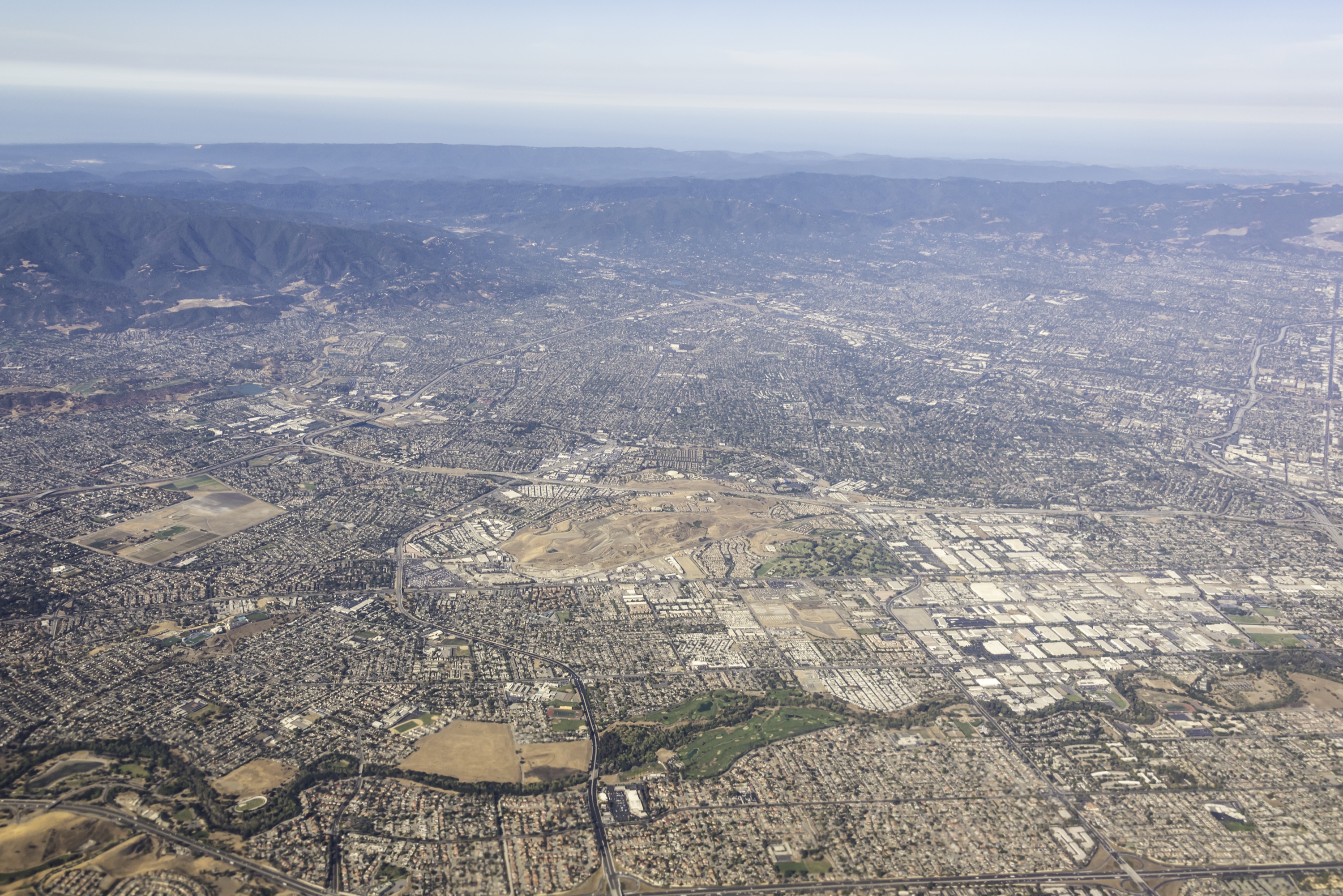
Campbell is the smallest city most Silicon Valley buyers seriously shop, and it is also the one where the map matters most. Two homes eleven blocks apart can sit in different neighborhoods, different school attendance areas, and in a few cases different cities — while sharing the same 95008 ZIP code.
This is the sixth installment in my neighborhood series, after Saratoga, Los Gatos, Cupertino, Sunnyvale and Mountain View. Campbell is the one I get asked about most by move-up buyers, and it is the one where the most money gets lost to a bad assumption about where a boundary falls.
If you want the price tiers and the broader case for the city, I covered that separately in Campbell, CA Real Estate in 2026. This piece is the map itself.
The Map Campbell Actually Uses
Unlike most Silicon Valley cities, Campbell publishes a roster of recognized neighborhood associations with written street boundaries. That roster — not a real estate portal’s invented polygon — is the closest thing to an official neighborhood map this city has. Some associations are currently active, others are listed as inactive, but the boundaries themselves are how longtime residents describe where they live.
| Neighborhood | Boundaries as published by the City |
|---|---|
| Downtown Campbell | Highway 17 to Winchester, Hamilton Avenue to Kennedy Avenue |
| Pruneyard–Dry Creek | Bascom Avenue to Leigh Avenue, Hamilton Avenue to Dry Creek Road |
| Hamann Park | Moorpark Avenue to Hamilton Avenue, Winchester Boulevard to Highway 17 |
| Moreland West | Hamilton Avenue, San Tomas Aquino Road and Campbell Avenue |
| Campbell Village | Union Avenue to Bascom Avenue, to Camden Avenue and McGlincy Lane |
| Campbell Community Center | Hamilton and West Campbell Avenue to San Tomas Expressway, Winchester south |
| Westmont | Westmont Avenue/Silacci Drive and Hacienda Avenue to Harriet Avenue to Roundtree Drive |
| Four C’s | Cherry Lane and Budd Avenue, Winchester Boulevard to California Street |
| Westchester Park | Valley Drive and McGlincy Lane to Union Avenue and Westchester Drive |
| Central Hazelwood | Marilyn Drive and Linda Drive to Connie Drive and Waldo Drive |
Two things jump out of that table. First, Highway 17, Hamilton Avenue, Winchester Boulevard and Bascom Avenue do most of the dividing — Campbell’s neighborhoods are defined by arterials, not by hills or creeks the way Los Gatos and Saratoga are. Second, several of these boundaries run past the city limits, which is the source of nearly every Campbell address confusion I untangle for buyers.
Downtown Campbell: The Walkability Premium
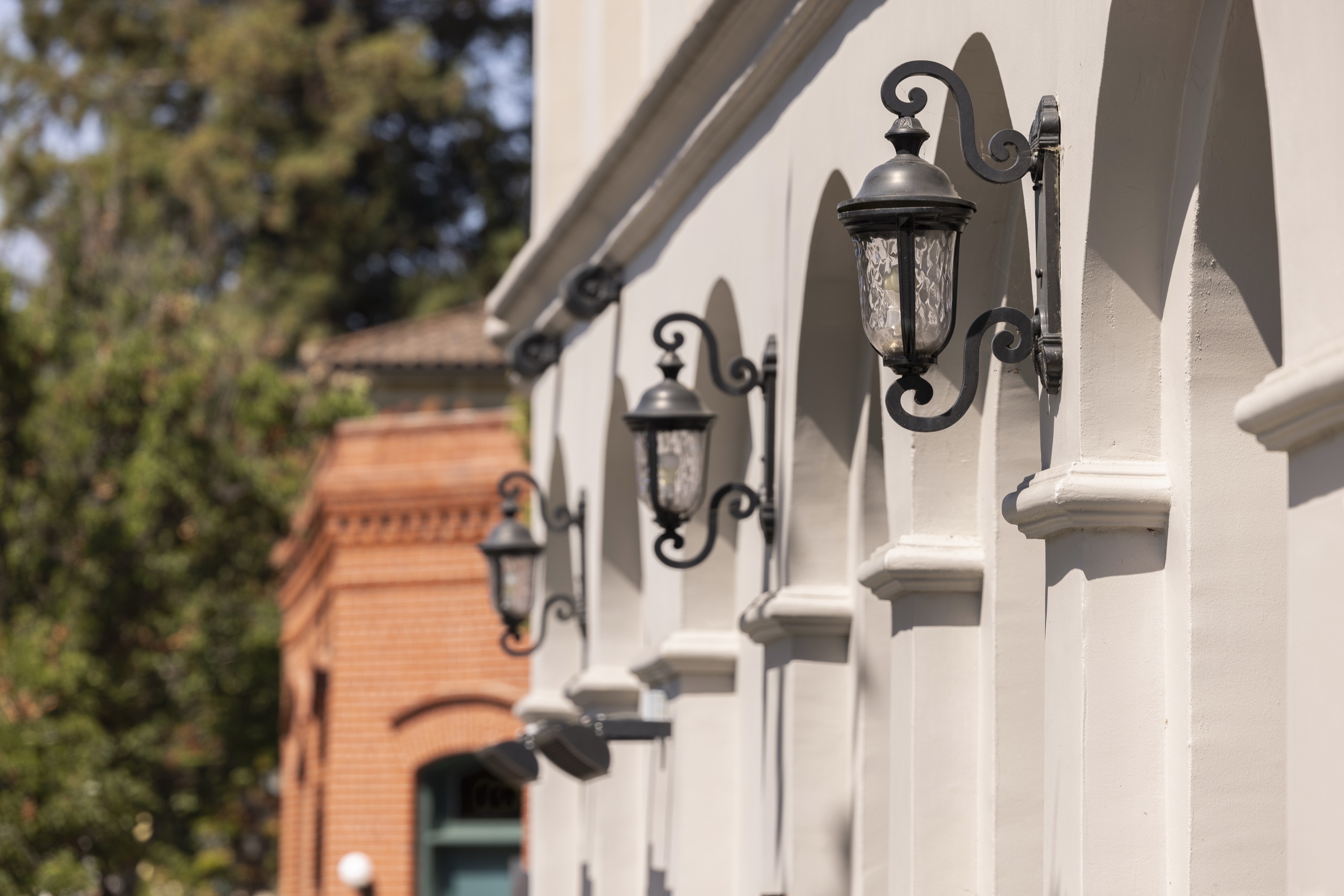
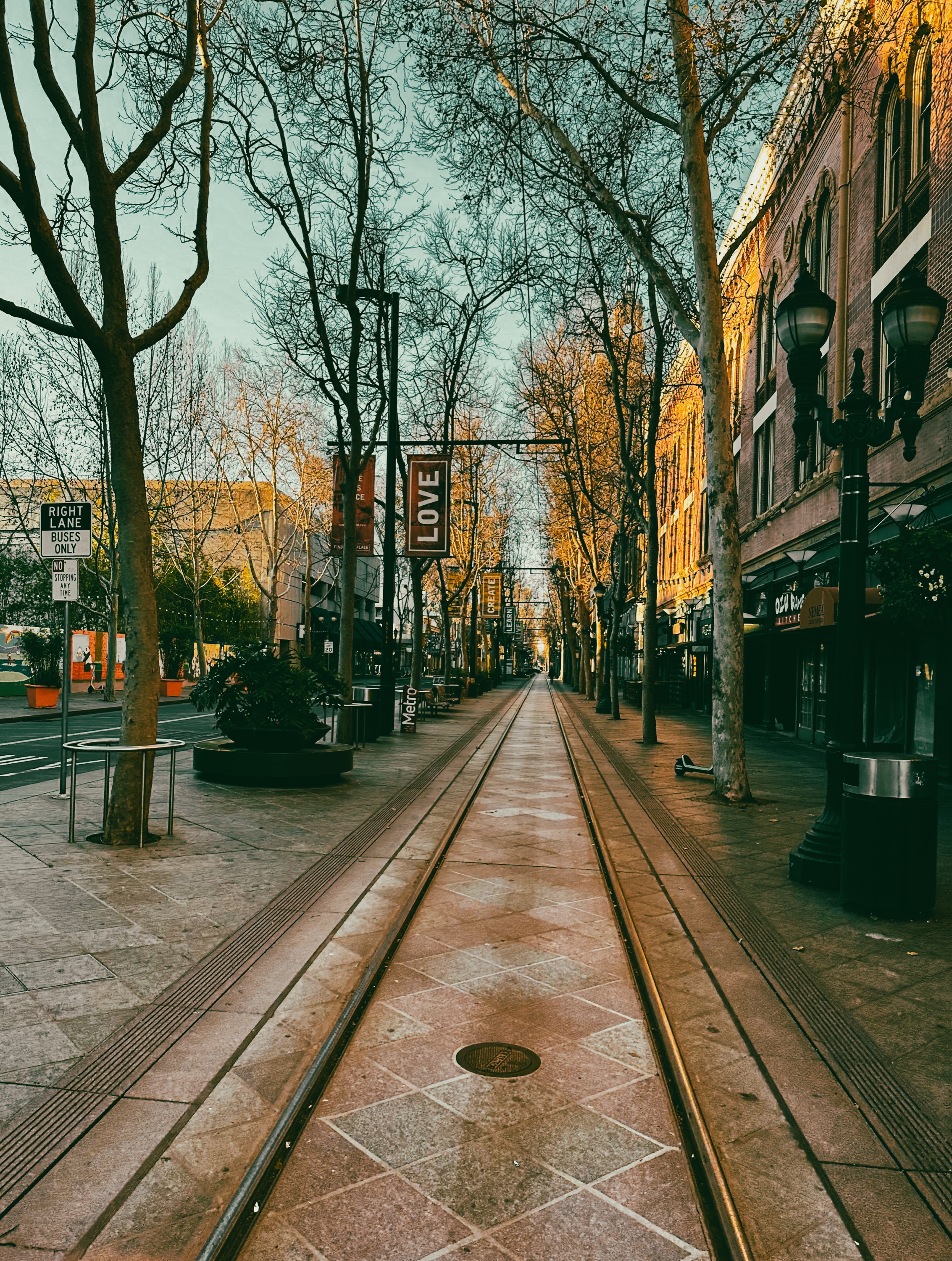
The Downtown Campbell Neighborhood Association has existed since 2007 and covers everything between Highway 17 and Winchester, Hamilton down to Kennedy. In practice that is the grid of older streets fanning out from East Campbell Avenue — the restaurant row, the Sunday farmers’ market, the Historical Museum and the Ainsworth block.
This is the tightest, most competitive housing in the city. Lots are generally smaller than the Campbell average, the housing stock skews older, and a meaningful share has been either rebuilt or substantially expanded. What buyers are paying for here is not square footage. It is the ability to walk to dinner and to the light rail, and that premium has proven durable through every market condition I have worked in Campbell over the last twelve years.
The practical warning: within the same association boundary you will find quiet interior streets and homes fronting Winchester or backing to the highway corridor. The spread between those two situations, at identical square footage, is real money. Walk the block at 5:30 on a weekday before you write.
Pruneyard–Dry Creek: The Big-Lot Pocket
Bounded by Bascom to Leigh and Hamilton down to Dry Creek Road, this is the pocket buyers most often mean when they say they want “a real yard in Campbell.” The homes lean traditional ranch, the parcels run larger than the downtown grid, and the whole area sits within a short walk or a two-minute drive of the Pruneyard.
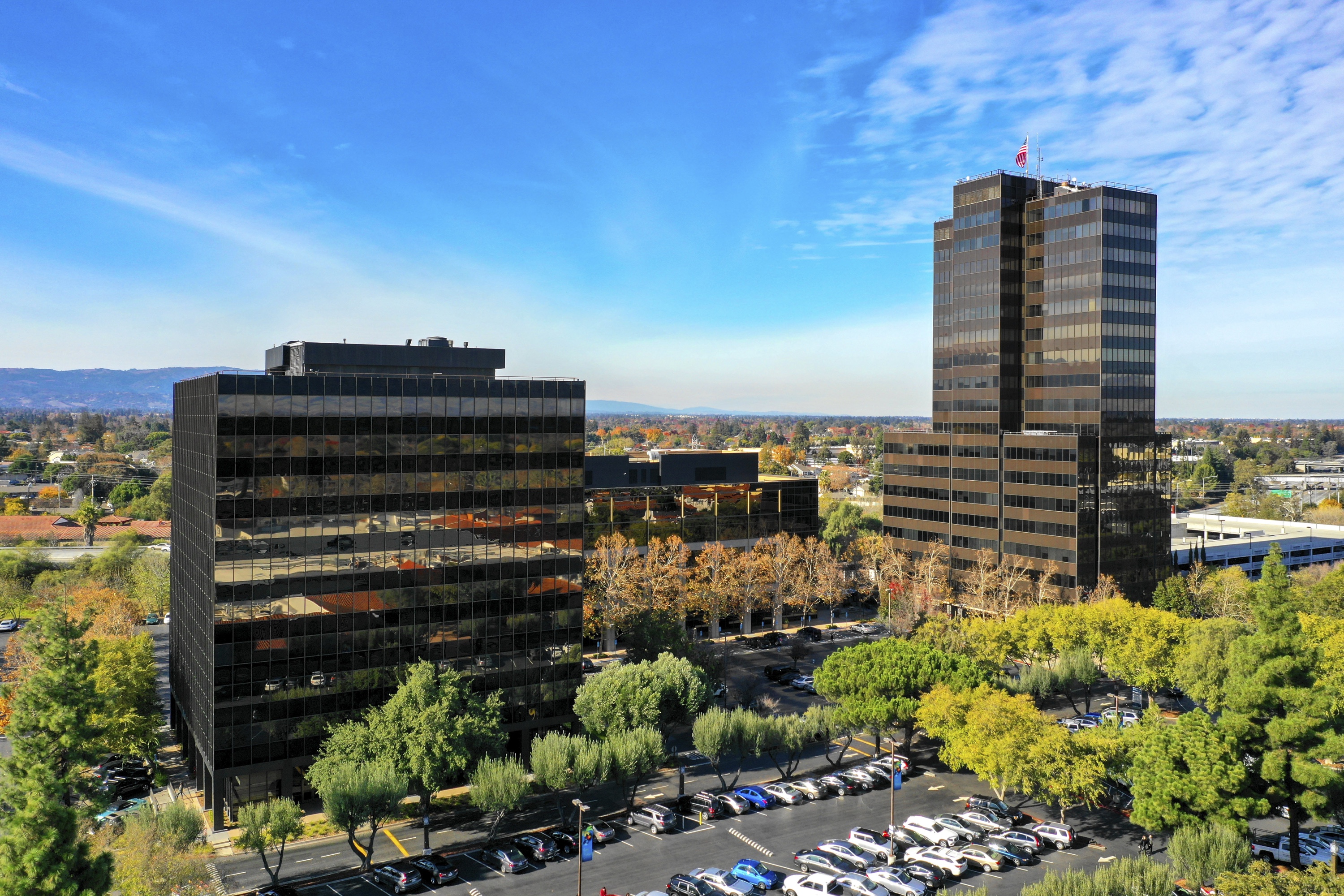
The Pruneyard Shopping Center itself is roughly 250,000 square feet of open-air retail at Campbell Avenue and Bascom, just east of Highway 17, with a cinema, grocery, and a restaurant lineup that functions as the neighborhood’s second downtown. The office towers next to it are the buildings you see from the freeway and the reason this corner has a daytime population most residential pockets do not.
For sellers, this is the part of Campbell where lot size does the most work in a valuation. An extra 2,000 square feet of dirt in the Pruneyard–Dry Creek area is worth materially more than the same 2,000 square feet on the far west side, because the buyer here is usually underwriting an addition or an ADU.
San Tomas and Moreland West: Ranch Homes and Room to Build
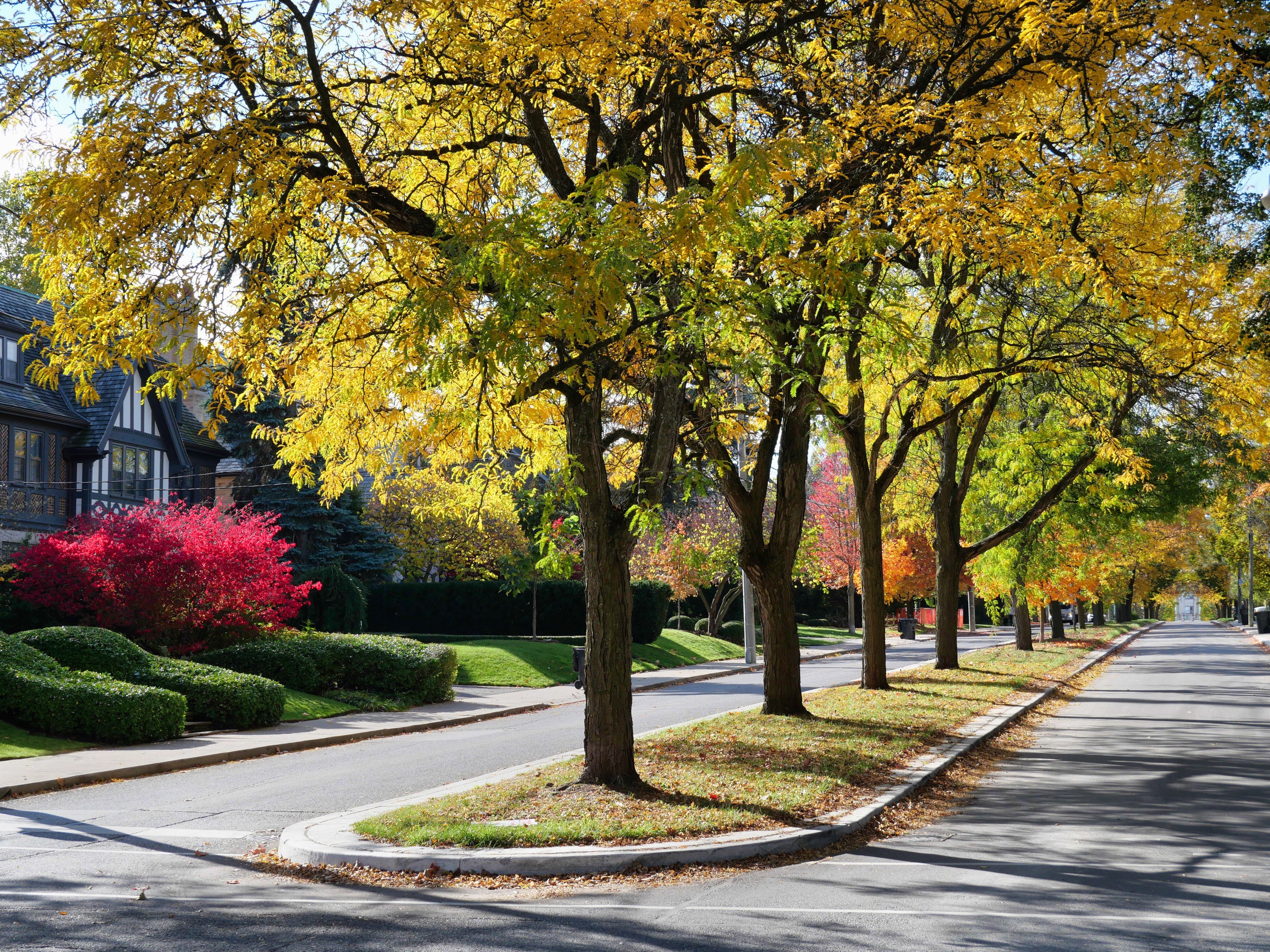
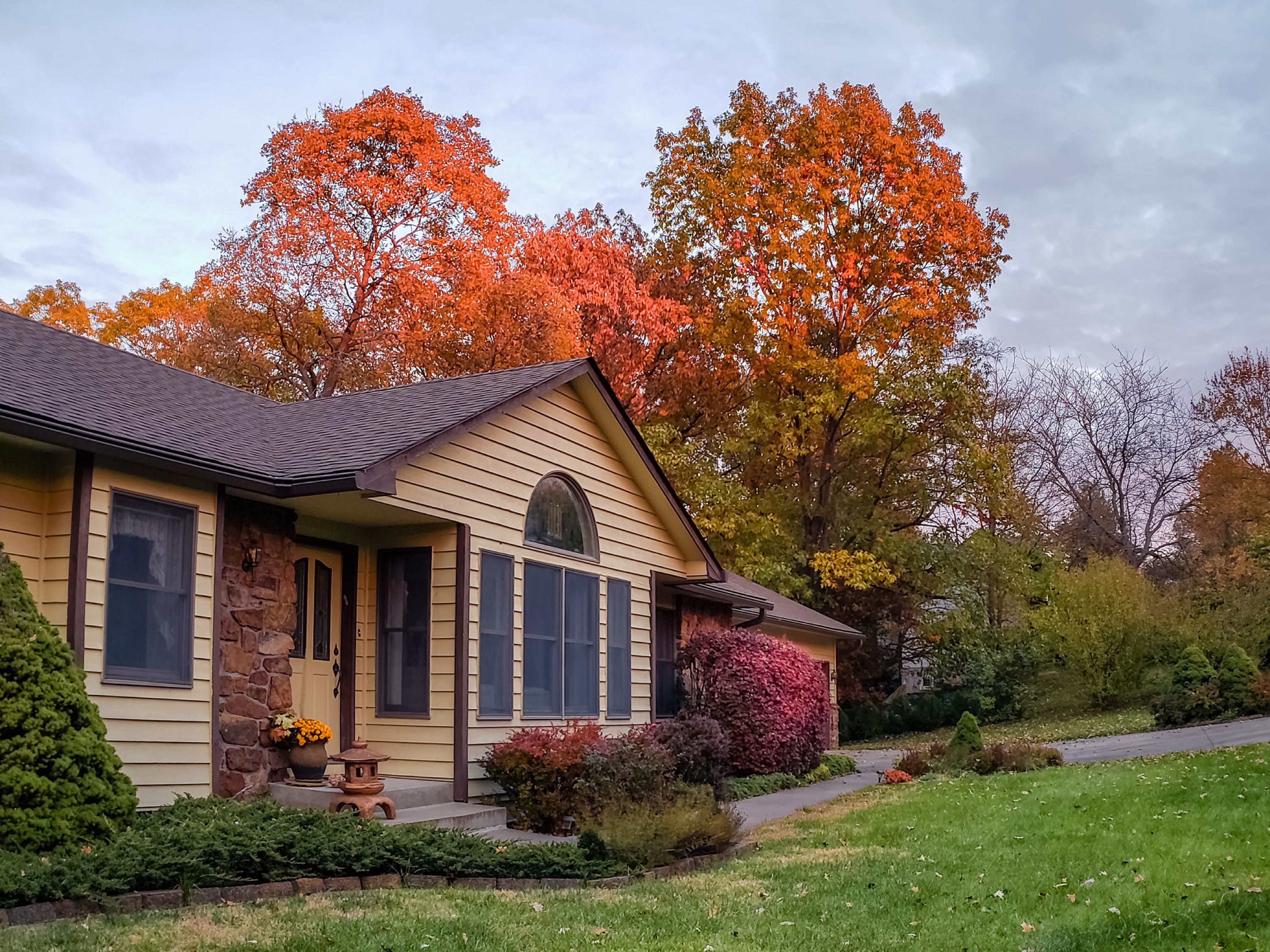
Southwest Campbell — the San Tomas area, overlapping the Moreland West association bounded by Hamilton, San Tomas Aquino Road and Campbell Avenue — is the part of the city that reads least like a downtown suburb and most like a settled 1950s neighborhood. Lot sizes and housing styles here differ from the rest of Campbell, and that is the whole appeal.
These are the streets where I place buyers who intend to build. A single-story ranch on a generous parcel with a straightforward setback situation is a very different asset from a maxed-out downtown lot, and the eventual finished value supports a real renovation budget. It is also why this area attracts investor clients: the arithmetic on a well-executed expansion here has held up better than in most of the Valley.
The trade-off is honest. You are further from Campbell Avenue, more car-dependent for daily errands, and closer to San Tomas Expressway. Buyers who want the walkable downtown lifestyle should not shop here, and buyers who want land should not shop downtown.
Hamann Park, Campbell Village, and the Address Trap
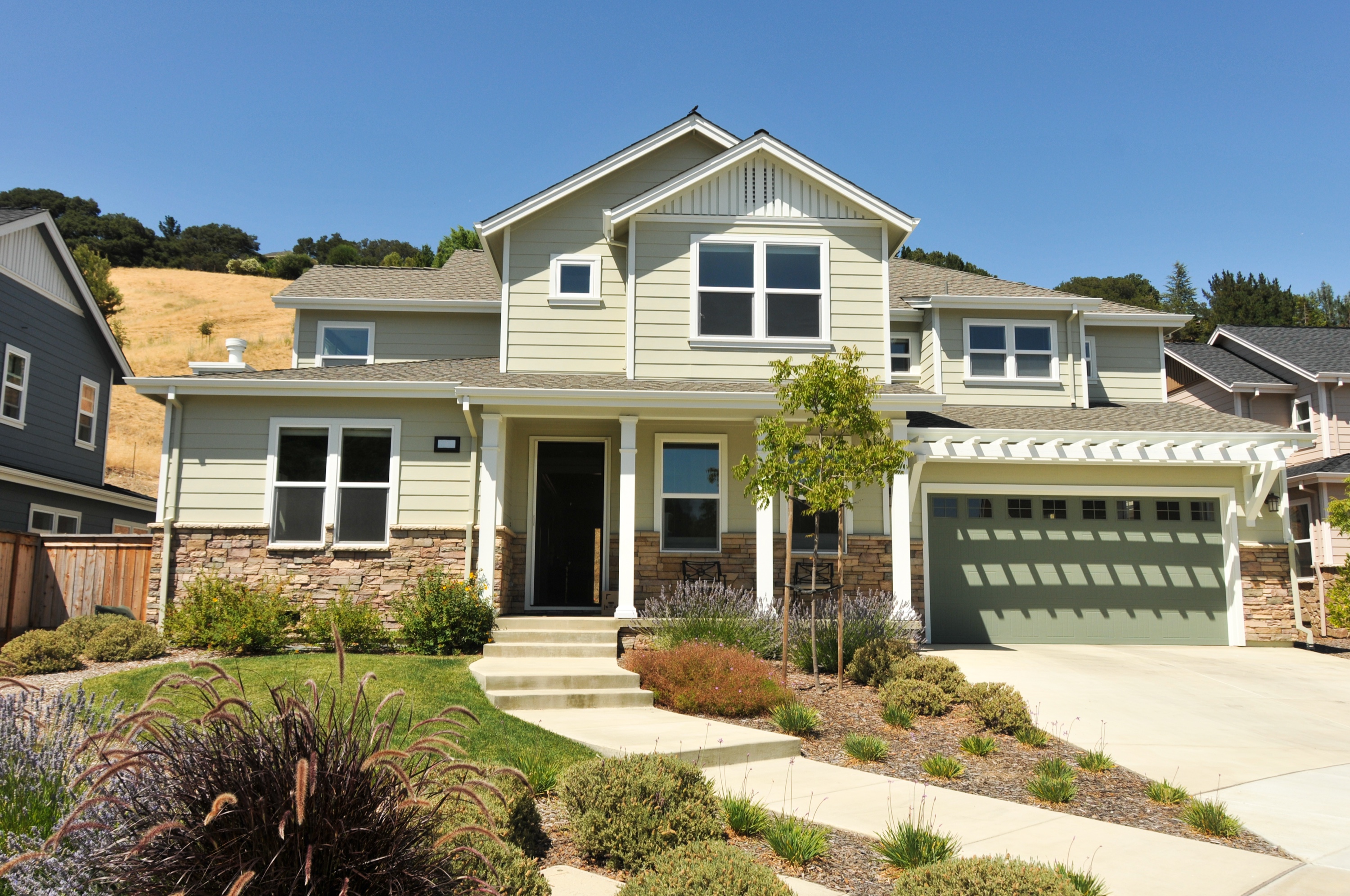
Here is the single most expensive misunderstanding in this market, and it costs buyers money several times a year.
The Hamann Park association covers an area in Campbell and San Jose, bordered by Moorpark to Hamilton and Winchester to the Highway 17 line. Moreland West likewise spans Campbell and San Jose. Campbell Village sits in the southwest between Union and Bascom out to Camden and McGlincy. A 95008 mailing address, a Campbell-sounding neighborhood name, and a Campbell city-limits parcel are three separate things, and they do not always agree.
What actually changes when you cross the line: your city services, your permit jurisdiction for that addition you are planning, your municipal fees, and in some cases your school attendance area. What does not change: the ZIP code on your mail. I have watched buyers pay a Campbell premium for a San Jose parcel because nobody checked the assessor’s map. Verify the jurisdiction on the parcel, in writing, before you remove contingencies.
Schools: Two Districts, One City
Campbell is served by two separate districts, which surprises people who assume one city means one district.
- Campbell Union School District handles grades K–8. Its offices are at 155 North Third Street in Campbell, and it serves parts of Campbell, Los Gatos, Monte Sereno, San Jose and Santa Clara.
- Campbell Union High School District runs six campuses — Branham, Del Mar, Leigh, Prospect, Westmont and Boynton — serving Campbell, San Jose, Saratoga, Santa Clara, Los Gatos and Monte Sereno.
Because both districts extend well past Campbell’s city limits, and because the high school district assigns from six campuses, you cannot infer a school assignment from a neighborhood name or a ZIP code. Two homes on opposite sides of the same street can feed different high schools. Always confirm the current assignment for the specific address with the districts directly — and confirm it again in the year you actually enroll, because boundaries get adjusted.
How I Read the Campbell Map When Pricing a Home
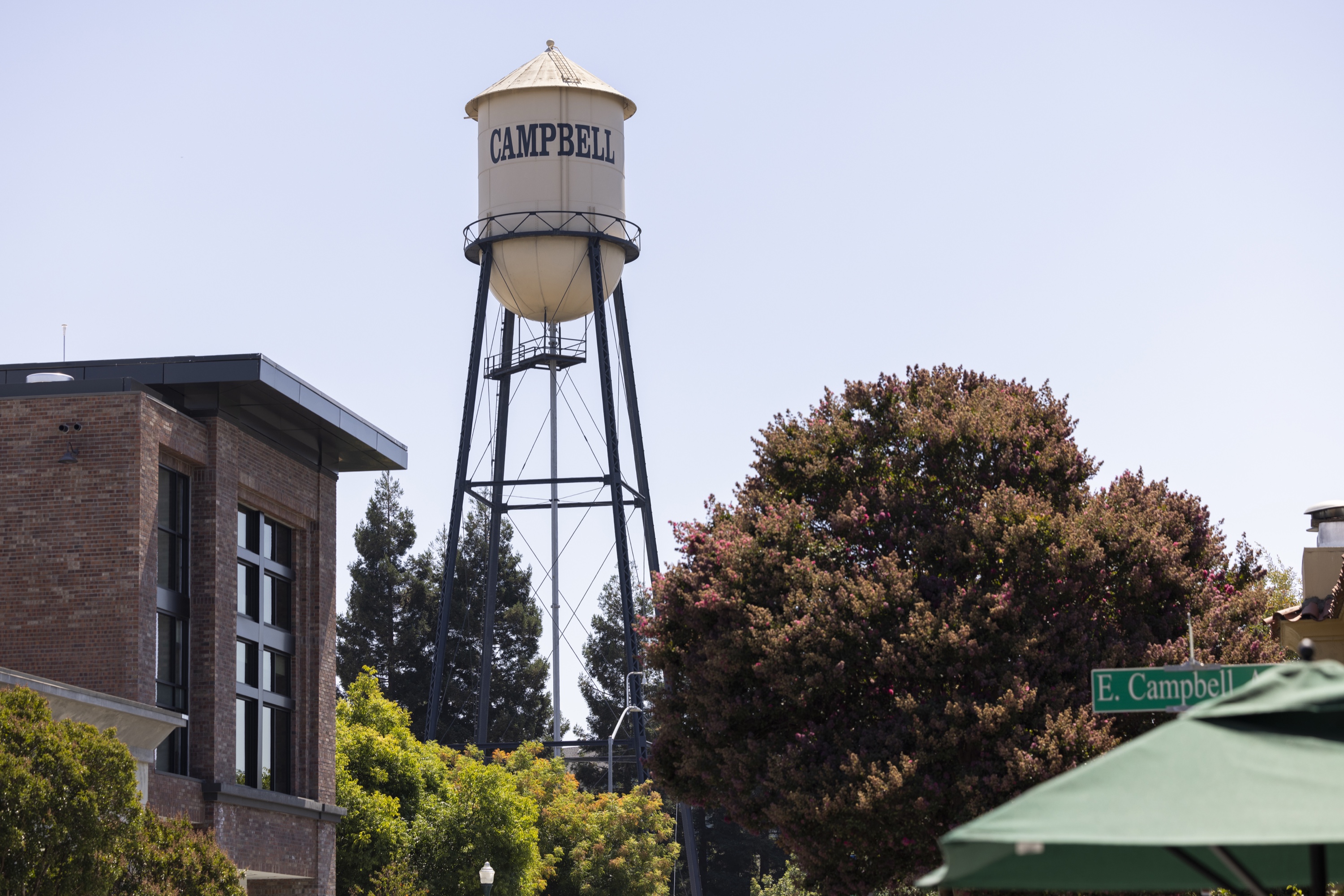
When I price a Campbell listing, I work through four questions in this order, and only then do I look at comparable sales.
- Which side of the arterials is it on? Highway 17, Hamilton, Winchester and Bascom are the real dividing lines. A comp from the wrong side of one of them is not a comp.
- Is it inside Campbell city limits? Jurisdiction affects permits, fees and buyer perception. This gets verified, never assumed.
- What is the lot actually capable of? In the Pruneyard–Dry Creek and San Tomas pockets, buildable potential is often a larger share of value than the existing house.
- How far is the front door from Campbell Avenue? Walkability to downtown is Campbell’s most reliable premium, and it decays block by block, not neighborhood by neighborhood.
Countywide context matters too. Santa Clara County closed its most recent complete month at a $1,950,000 median for single-family re-sale homes on 636 sales, with 27 median days on market — the full read is in my latest market update. Campbell sits below that county median on price and generally moves in step with the West Valley pattern I track in my West Valley market check.
Frequently Asked Questions
What are the main neighborhoods in Campbell, CA?
The City of Campbell recognizes neighborhood associations including Downtown Campbell, Pruneyard–Dry Creek, Hamann Park, Moreland West, Campbell Village, Campbell Community Center, Westmont, Four C’s, Westchester Park and Central Hazelwood. Downtown Campbell, Pruneyard–Dry Creek and the San Tomas area are the three buyers ask about most.
Does a 95008 ZIP code mean a home is in the city of Campbell?
No. Several Campbell neighborhood associations, including Hamann Park and Moreland West, cover territory in both Campbell and San Jose. The ZIP code, the neighborhood name and the actual city jurisdiction are three separate things. Confirm the parcel’s jurisdiction before you write an offer, especially if you plan to remodel or add square footage.
What schools serve Campbell?
Campbell Union School District covers grades K–8, and Campbell Union High School District operates six campuses: Branham, Del Mar, Leigh, Prospect, Westmont and Boynton. Both districts extend beyond Campbell’s city limits, so school assignment must be verified address by address with the districts rather than inferred from a neighborhood name.
Which Campbell neighborhood has the largest lots?
Generally the Pruneyard–Dry Creek area and the San Tomas side of the city. Both carry larger parcels than the downtown grid, which is why they attract buyers planning an addition, an ADU or a full rebuild. Downtown Campbell trades on walkability rather than land.
Thinking About Buying or Selling in Campbell?
I have worked this market as a Silicon Valley native for twelve years, and the Campbell map is one I can walk you through block by block — including the jurisdiction and school questions that cost buyers real money when they go unchecked.
Schedule a ConversationCategories
Recent Posts