
Santa Clara's Neighborhoods, Explained: The Old Quad, Rivermark, and the Map Behind Santa Clara Unified
Santa Clara’s Neighborhoods, Explained: The Old Quad, Rivermark, and the Map Behind Santa Clara Unified
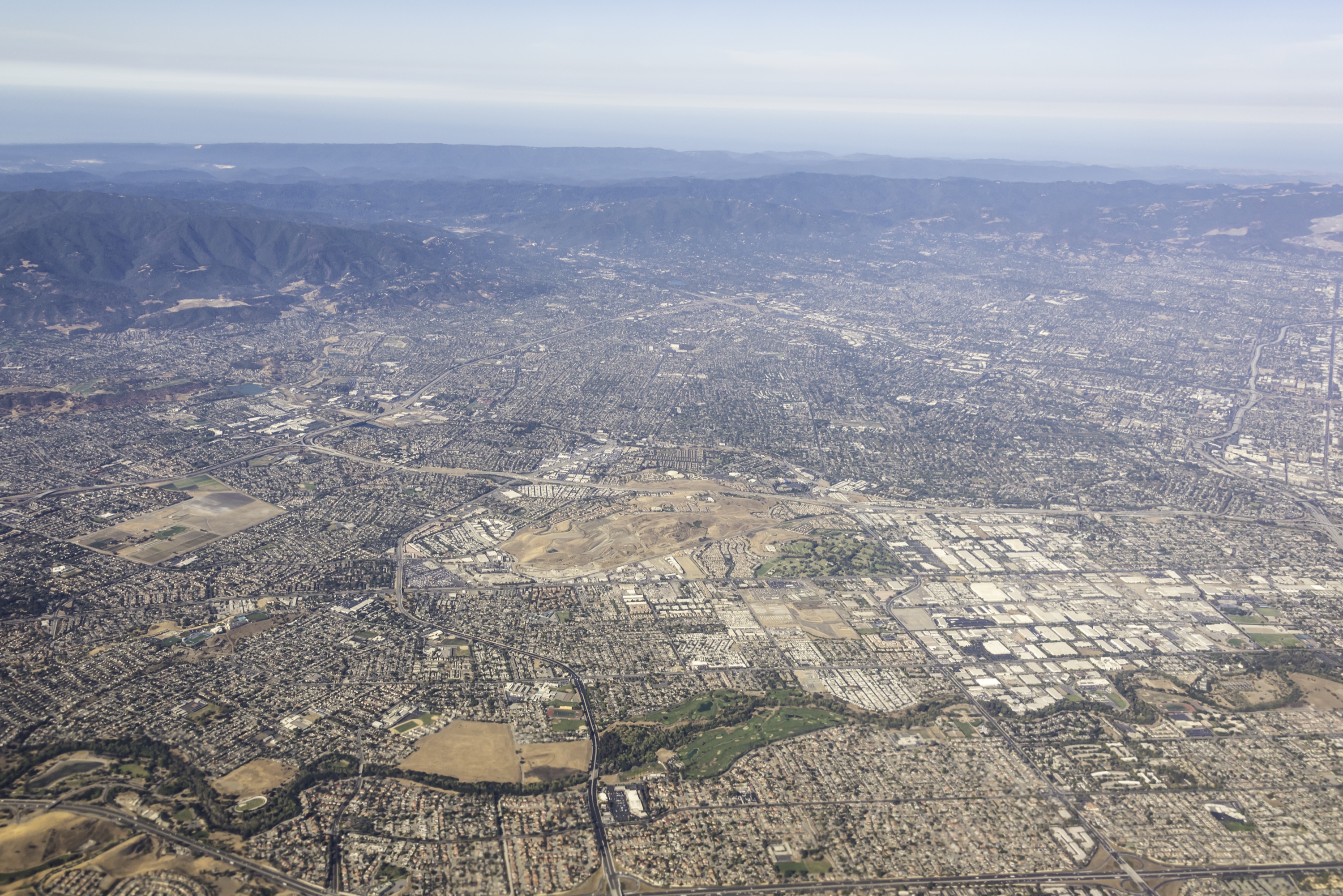
Santa Clara is the city Silicon Valley buyers drive through more than they shop — and that is exactly why it is underread. Inside seventeen square miles you get a 150-year-old Victorian grid, a 2000s master-planned village, a municipal power utility, and a school district that spills into three other cities.
This is the seventh installment in my neighborhood series, after Saratoga, Los Gatos, Cupertino, Sunnyvale, Mountain View and Campbell. Santa Clara is the one where buyers most often assume the whole city is interchangeable. It is not. The north end and the Old Quad are different products at different price points serving different buyers.
Why Santa Clara Reads Differently From Its Neighbors
Two structural facts shape almost every conversation I have about this city, and neither one shows up on a listing portal.
Santa Clara owns its electric utility. Silicon Valley Power is a municipal utility run by the City, not PG&E. Residential electric rates are generally meaningfully lower than what a comparable home pays a few blocks away in San Jose or Sunnyvale. For a buyer running an all-electric remodel, adding a heat pump, or charging two EVs, that is a real monthly line item — and it is one of the few genuine cost advantages a Silicon Valley city can offer.
Santa Clara Unified is not a Santa Clara-only district. The district serves the city of Santa Clara plus portions of San Jose, Sunnyvale and Cupertino. That means two things: a home outside the city limits can still be zoned to Santa Clara Unified, and a home inside Santa Clara can sit in a school attendance area that surprises you. Verify the assignment address by address with the district before you write an offer. Do not infer it from the city on the mailing label.
The Old Quad
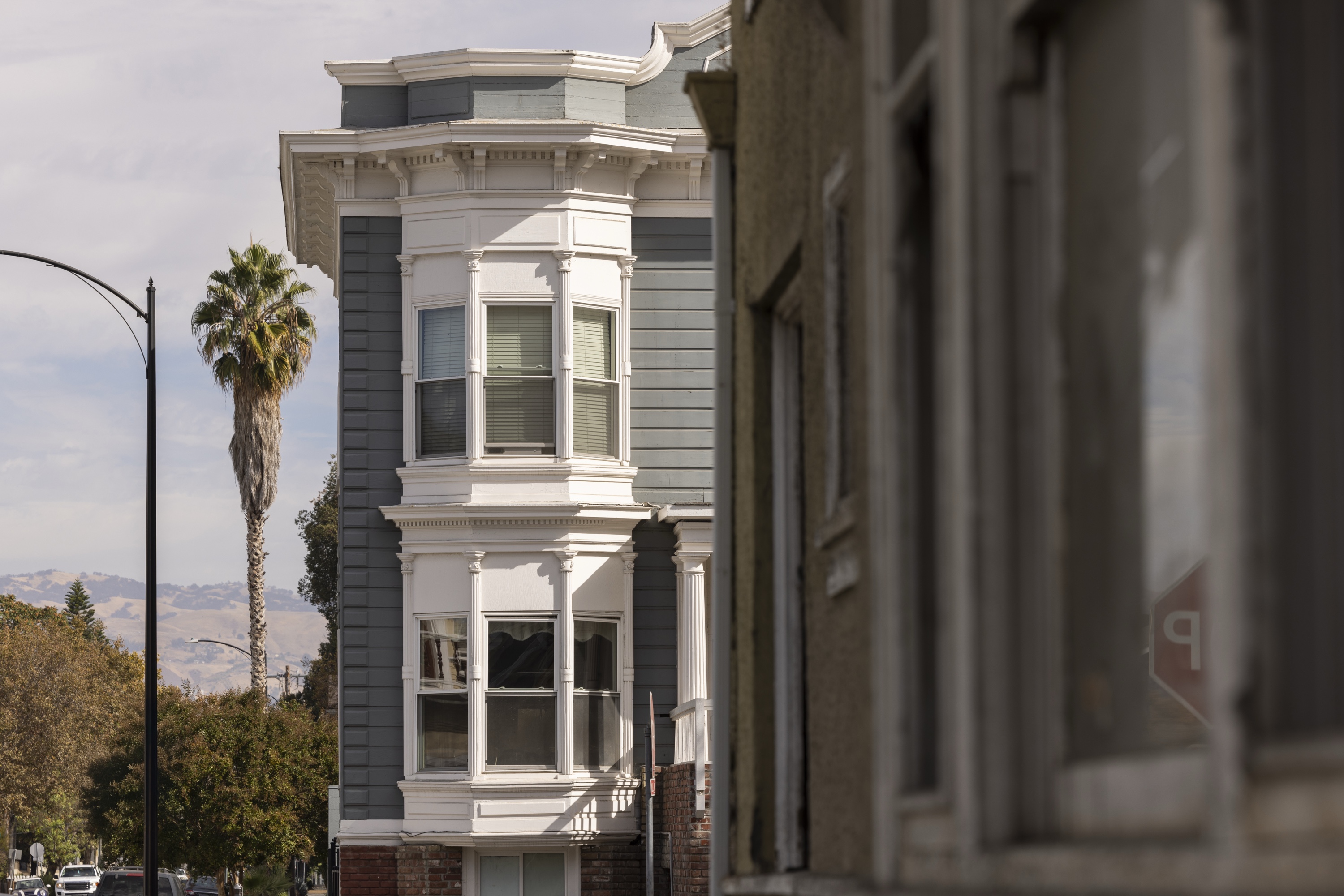
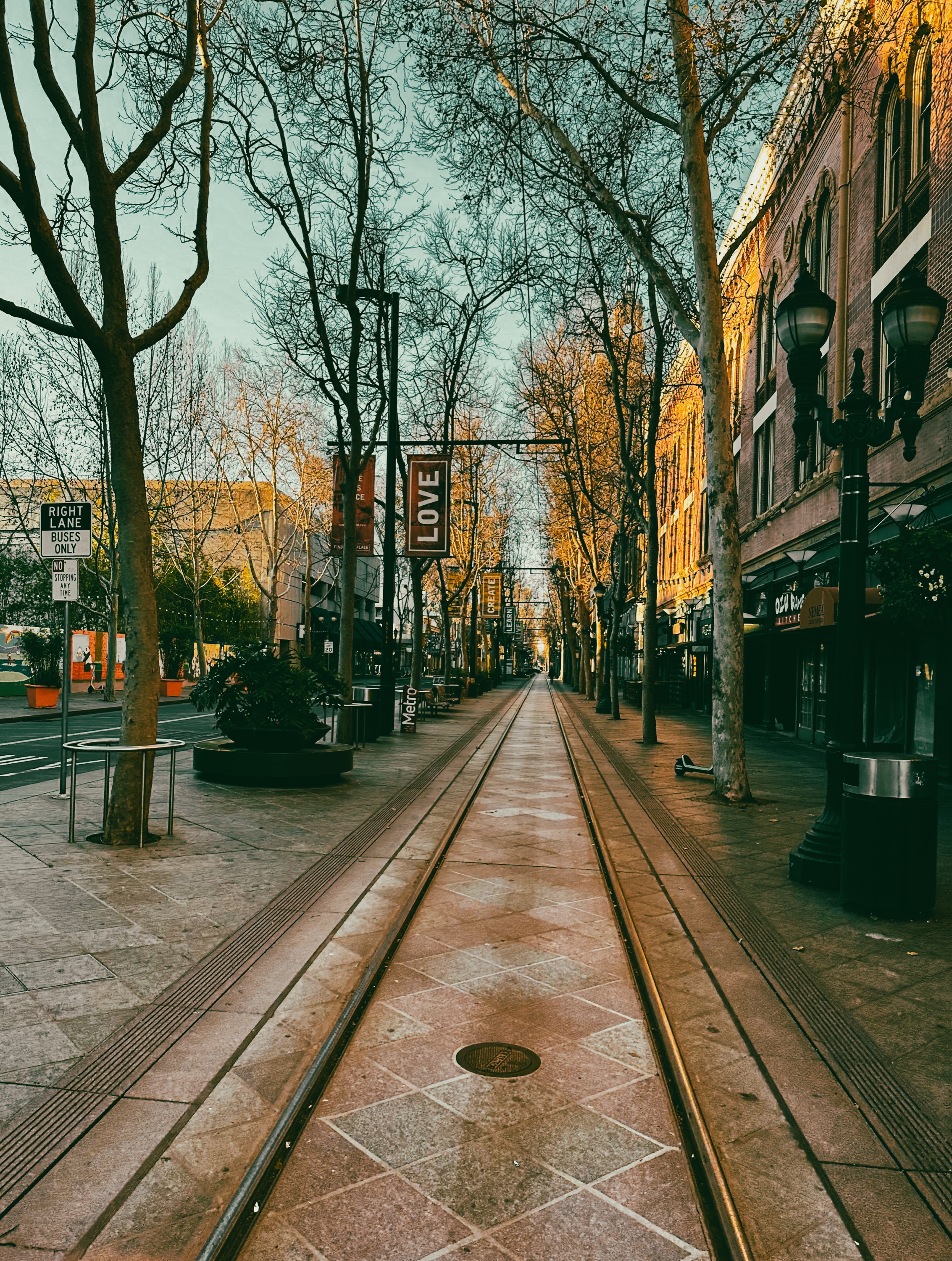
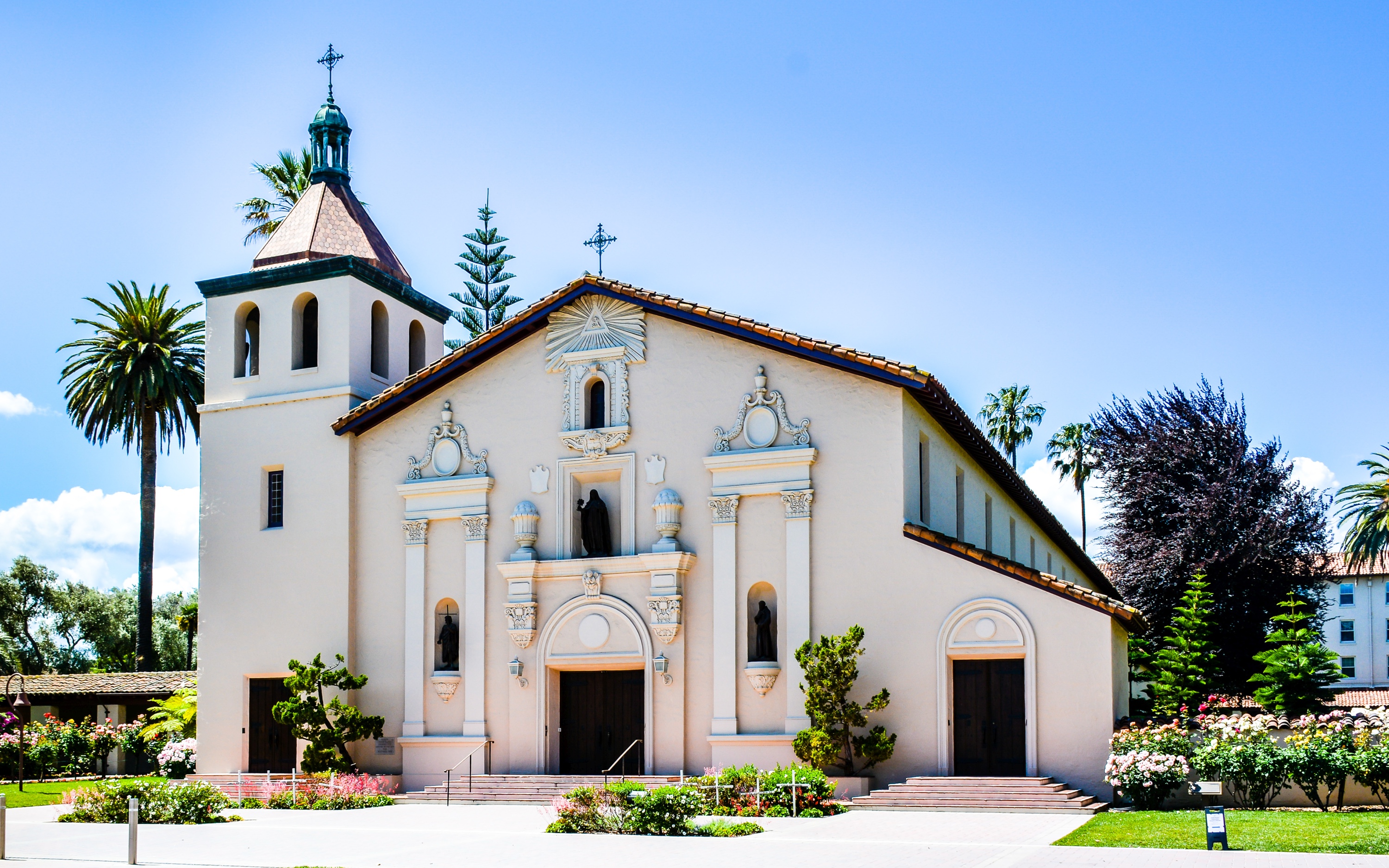
The Old Quad is the historic core, the grid laid out around Mission Santa Clara de Asis and what is now Santa Clara University. It is the oldest residential fabric in the city and the only part of Santa Clara that reads as a walkable historic district rather than a postwar subdivision.
What you buy here: Victorians, Craftsman bungalows, early-century cottages, deep narrow lots, mature street trees, and a short walk to the university, the Mission and Franklin Street. What you also buy: older systems, occasional foundation and knob-and-tube surprises, and in some cases historic review that shapes what you can change on the exterior.
This is the segment of Santa Clara where the disclosure package earns its keep. I wrote a full walkthrough of what to look for in how to read a Silicon Valley disclosure package — nine red flags that show up disproportionately in pre-1940 housing stock.
Rivermark and the North End
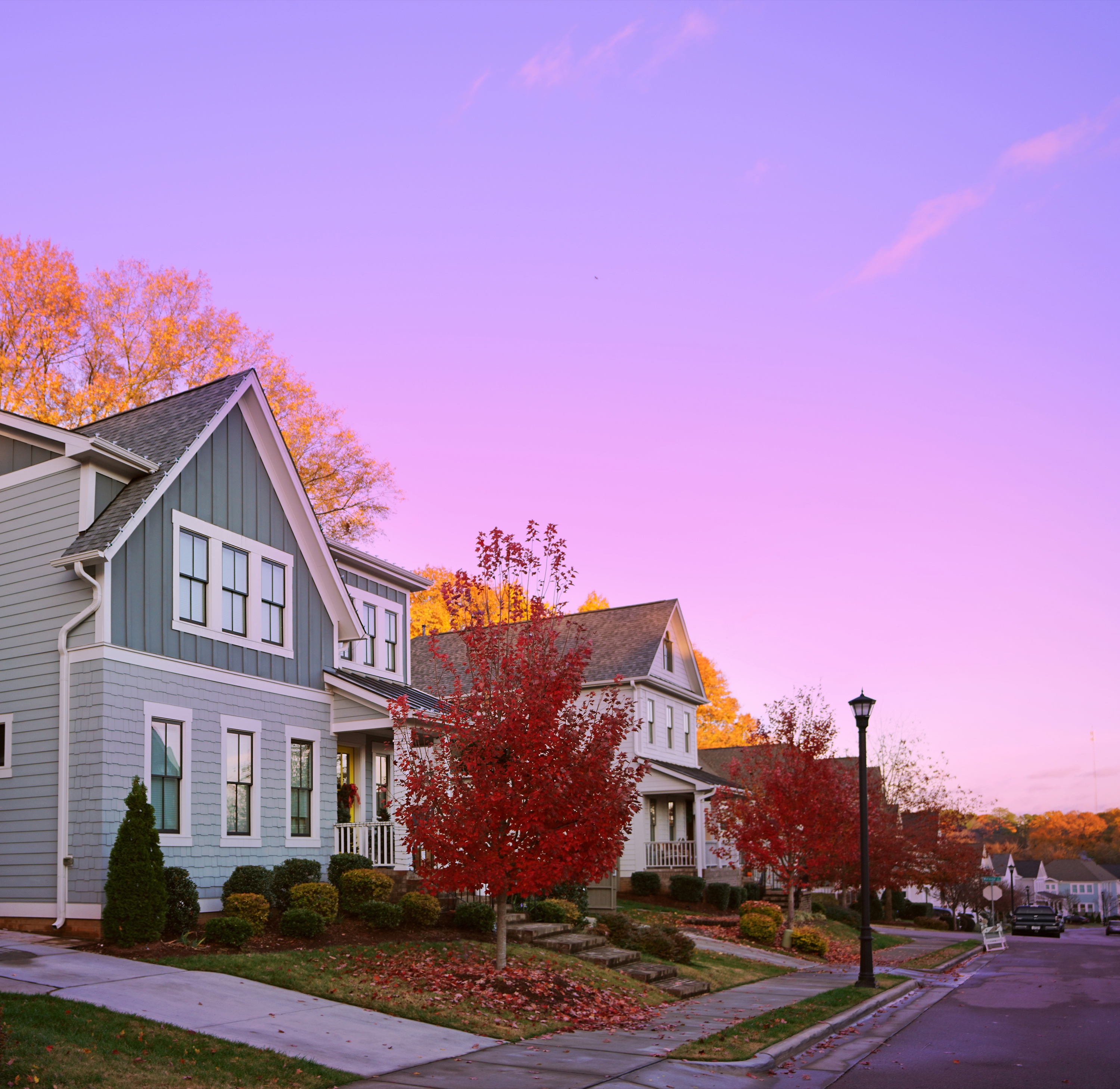
Rivermark is the opposite product. It is a master-planned community built in the 2000s on the north side of the city near Montague Expressway, organized around its own village-center retail plaza and a mix of detached homes, townhomes and condominiums.
Buyers gravitate here for the reasons master plans always work: newer construction, consistent architecture, walkable retail inside the neighborhood, and a park network built in from day one. The tradeoffs are the ones master plans always carry: HOA dues, smaller lots, and less variance in floor plan, which cuts both ways at resale.
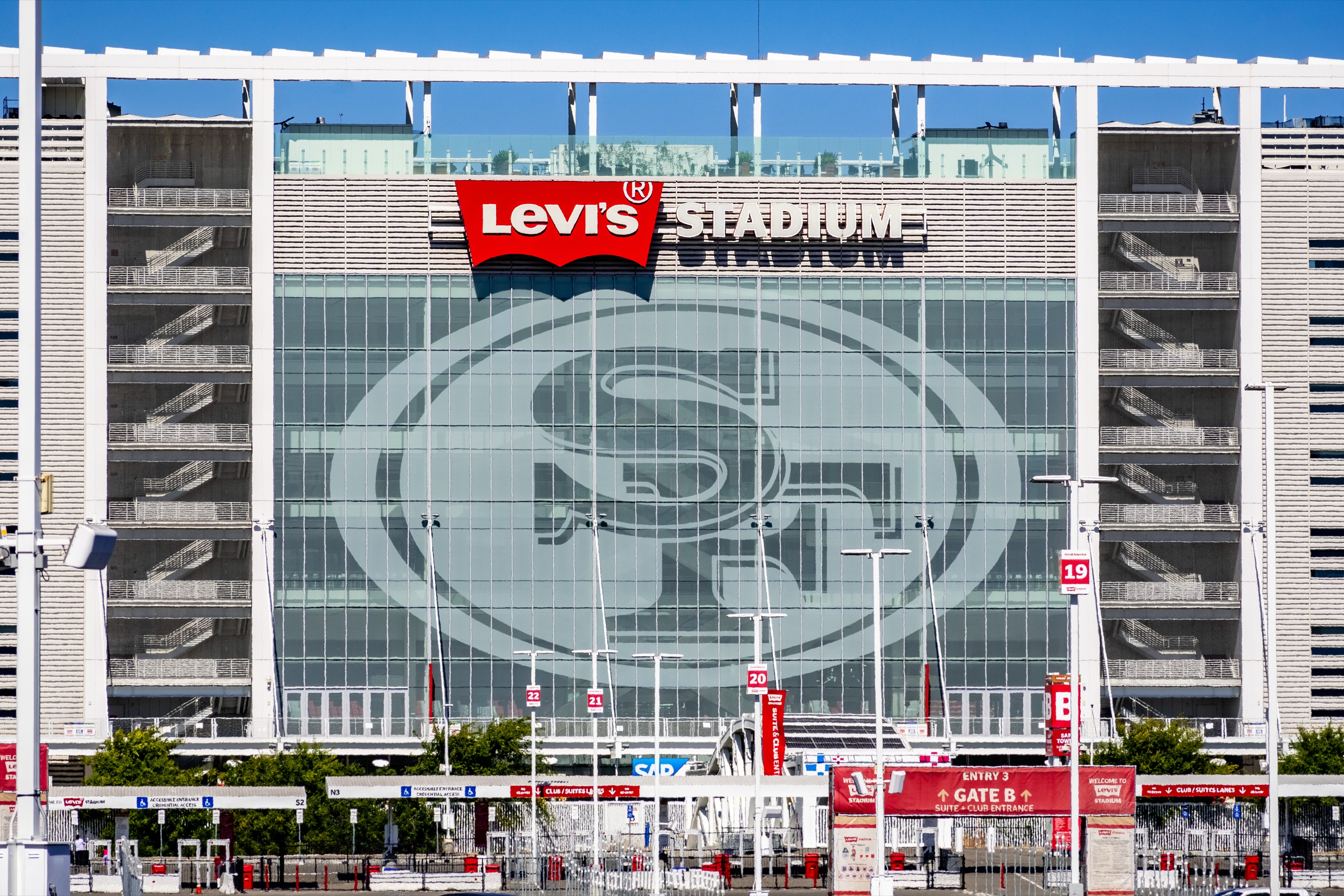
The broader north end — the Lick Mill and Agnew corridors, the areas near the convention center and Levi’s Stadium — is Santa Clara’s densest and most rapidly changing territory. It is also where the city’s largest development pipeline sits. If you are buying here, read the entitlement map, not just the comps.
The Established Middle
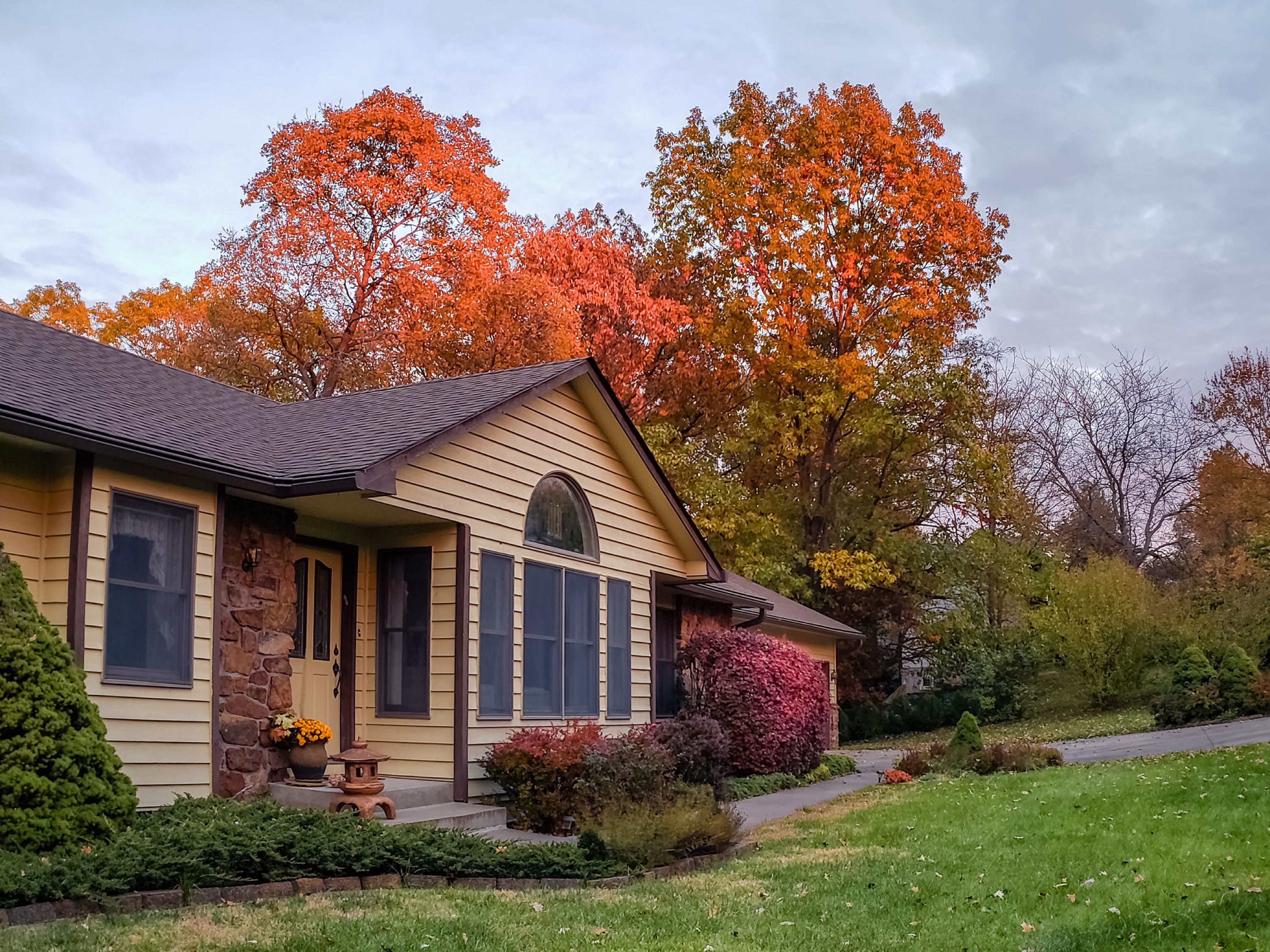
Between the Old Quad and the north end sits the majority of Santa Clara’s housing: postwar and 1960s–70s tracts on flat, regular lots. Killarney Farms, Ponderosa Park, Forest Park, the Bowers and Laurelwood areas, and the pockets around Central Park and the Santa Clara Golf and Tennis Club all live in this band.
This is where most Santa Clara transactions actually happen, and it is where the city delivers its core value proposition: a single-family home on a real lot, flat and bikeable, inside the Silicon Valley job core, at a number below what the West Valley asks. Lots here are typically large enough to support an addition or an ADU, which is why I see a steady flow of long-term owners choosing to build rather than move.
| Area | Character | Who it fits |
|---|---|---|
| Old Quad | Historic grid, Victorians and Craftsman, walkable to SCU and the Mission | Character buyers willing to own an older home |
| Rivermark | 2000s master plan, village retail, mixed housing types, HOA | Buyers prioritizing new construction and walkable convenience |
| North end / Lick Mill & Agnew | Densest and fastest-changing; condos and townhomes near the stadium and convention center | Commuters and investors comfortable with an active development pipeline |
| Central and west tracts | Postwar and 1960s–70s single-family on flat regular lots | Move-up families and owners planning an addition or ADU |
The Killarney Farms trap
Here is the one that trips up buyers and, honestly, plenty of agents. There are two Killarney Farms in Santa Clara. They were built by the same developer with overlapping floorplans and elevations, they share a name, and they sit in different parts of the city. Killarney Farms North sits near Briarwood Elementary and close to the Cabrillo Middle and Wilcox High attendance areas. Killarney Farms South sits near Sutter Elementary and close to the Buscher Middle and Santa Clara High attendance areas.
So when a listing says Killarney Farms, that phrase by itself tells you almost nothing about which schools the address feeds. A family that toured a home in one Killarney Farms and wrote an offer on a comparable home in the other can end up in an entirely different school path while believing they bought the same neighborhood. This is the Santa Clara version of the address trap I wrote about in Campbell, and the fix is the same: confirm the attendance area with Santa Clara Unified for the exact street address, in writing, before the contingency period closes.

The Commute Math Nobody Prices Correctly
Santa Clara’s real argument is location. You are inside the ring rather than driving into it. Great America and Lawrence Caltrain stations sit in the city, VTA light rail runs the north end, and the 101, 237, 880 and Lawrence Expressway corridors all intersect here. For a household with one person commuting to the Peninsula and another to north San Jose, Santa Clara is frequently the only address that does not punish somebody.
That is the trade Santa Clara asks you to make: you give up the foothill setting and the marquee school-district branding that the West Valley sells, and you get back commute time, lower electricity, and a lower entry price inside the same job market.
How Santa Clara Sits in the County Right Now
For context on the market these homes trade into: Santa Clara County closed its most recent complete month at a $1,950,000 median for single-family re-sale homes on 636 sales, with 27 median days on market. I broke that data down city by city in my summer closed-sales report, and the fall setup in the fall selling window.
Santa Clara generally trades below that county median, which is precisely the point for the buyers who find it. It is one of the few remaining places in the core of Silicon Valley where a detached home on a full lot is still a realistic conversation.
Frequently Asked Questions
What are the main neighborhoods in Santa Clara, CA?
The most commonly referenced are the Old Quad, the historic grid around Santa Clara University and Mission Santa Clara de Asis; Rivermark, the 2000s master-planned community on the north side; the Lick Mill and Agnew corridors near Levi’s Stadium and the convention center; and the established postwar tracts in the center and west of the city, including Killarney Farms, Ponderosa Park and Forest Park. The City maintains a neighborhood association roster — use that rather than a portal’s drawn polygon.
Does living in Santa Clara mean my child attends Santa Clara Unified?
Usually, but do not assume it. Santa Clara Unified serves the city of Santa Clara plus portions of San Jose, Sunnyvale and Cupertino, and attendance areas are assigned by address. Homes outside Santa Clara city limits can be zoned to the district, and homes inside can land in an attendance area you did not expect. Confirm with the district directly before writing an offer.
Why are Santa Clara electric bills lower than in neighboring cities?
The City of Santa Clara runs its own municipal electric utility, Silicon Valley Power, rather than buying from PG&E. Residential rates are generally lower than the investor-owned alternative. It matters most for all-electric homes, heat pump conversions and multi-EV households — and it is a genuine, verifiable ownership cost advantage, not a marketing claim.
Is Santa Clara a good value compared to the West Valley?
For the right buyer, yes. Santa Clara typically trades below the county median while sitting inside the job core with excellent freeway, expressway, Caltrain and light rail access. You are trading foothill setting and school-district branding for commute time, utility cost and entry price. Whether that trade is correct depends entirely on where your household actually drives every day.
Thinking About Buying or Selling in Santa Clara?
I have worked this market as a Silicon Valley native for twelve years. Santa Clara rewards buyers who understand the map — the school boundaries, the development pipeline in the north end, and which tracts have the lot depth to support what you actually want to build.
Schedule a ConversationCategories
Recent Posts