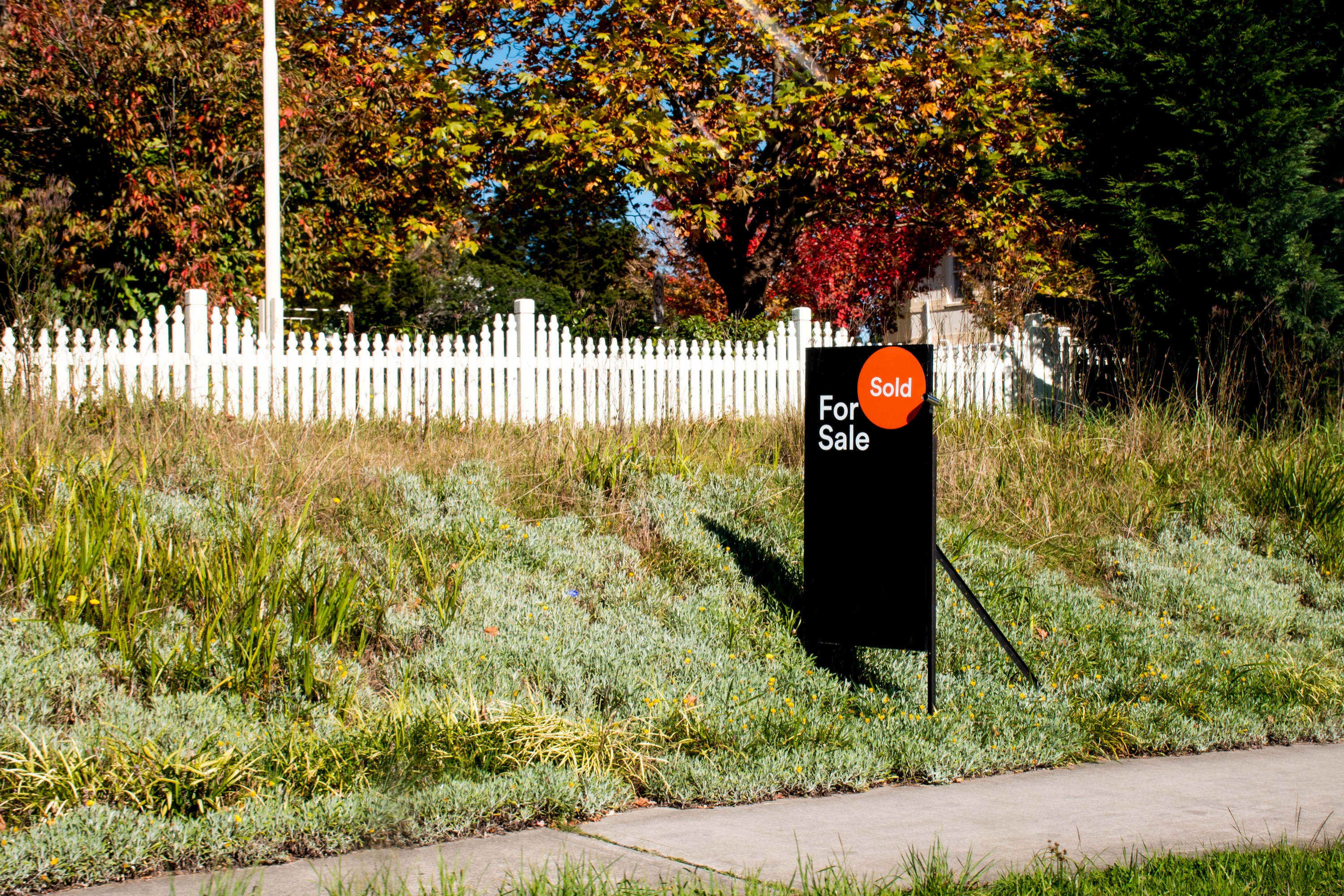

The October Listing Decision: List Now, or Wait for Spring?

The October Listing Decision: List Now, or Wait for Spring?
Every fall I have the same conversation a dozen times. The house is ready. The equity is real. And the seller has been told, by somebody, that you never list in October. Here is the honest math instead of the folklore.
The advice to “wait for spring” is the single most repeated piece of received wisdom in residential real estate, and in Silicon Valley it is wrong about as often as it is right. It is not a rule. It is a probability statement about buyer volume, and it stops being useful the moment you look at your specific house, your specific price band, and your specific reason for selling.
So let me give you the tradeoff straight, with the parts that actually decide it.
What Is Genuinely True About Fall
Two things are real, and I am not going to pretend otherwise.
- Buyer count falls after Labor Day and keeps falling into the holidays. Families who needed to be in a school district moved in summer. The casual weekend-browsing crowd thins out. Fewer people walk through your door in November than in April.
- The calendar compresses. Thanksgiving and the December holidays eat roughly three usable weeks. A house that lingers into late November often sits until January, and by then it carries days-on-market that a January buyer will read as a problem.
That is the real case for waiting. It deserves respect. But it is only half the ledger.
What Nobody Tells You About the Other Side

Buyer count is not the same as buyer quality, and inventory falls right alongside it. Here is what the fall market actually gives a seller:
The buyers left in October are the serious ones
Nobody tours homes in the rain for entertainment. The people still looking in the fourth quarter are the ones with a deadline — a lease ending, a relocation start date, a rate lock about to expire, an employer who wants them in the office in January. Fewer showings, dramatically higher conversion.
Your competition disappears too
This is the part sellers underweight. If you wait for spring, you are not waiting alone. Every neighbor who was told the same thing is waiting with you, and you will all arrive at the same March weekend. In April your house is one of eight comparable listings. In October it may be one of two. Scarcity is a pricing input, and in a supply-constrained market like this one it is a large input.
Tech compensation runs on a Q4 clock
This is a Silicon Valley detail that generic national advice completely misses. Year-end equity vests, annual bonuses, and RSU sales cluster in the fourth quarter and into January. A meaningful share of the down payments in this valley become available precisely when the national market is telling sellers to go quiet. I have closed some of my strongest deals in November and December for exactly this reason.
The Question That Actually Decides It
Forget the season. Ask this instead: is my house ready to be the best-presented listing in its price band right now?
If yes, fall is often the better trade — fewer buyers, but far fewer competing sellers, and a buyer pool that is motivated rather than browsing.
If no — if the kitchen needs work, if there is deferred maintenance you have been avoiding, if you would be listing tired into a thin market — then waiting is not a seasonal decision, it is a preparation decision, and you should use the winter to fix the actual problem rather than to hope for a friendlier month.
Reading Your Own Situation
| If this is you | Lean toward |
|---|---|
| Home is prepared, priced correctly, and shows well today | List now. You get thin competition and motivated buyers. |
| You need the proceeds to buy your next home and inventory is thin | Coordinate carefully. Selling into a low-inventory fall can leave you with cash and nowhere to go. Rent-back or a contingency structure matters more than the month. |
| Significant prep, repairs, or updating still needed | Use the winter. Prepare deliberately, launch in late winter ahead of the spring crowd — not with it. |
| Relocation, estate, or trust sale with a fixed timeline | List now. Carrying costs and vacancy risk almost always outrun any seasonal price premium. |
| Unique, high-end, or hard-to-comp property | Usually now. Distinctive homes need the right buyer, not the biggest crowd, and they are easier to find when nothing else is competing for attention. |
If You Do Go in October, Do These Five Things

A fall launch is unforgiving of sloppiness. There is no volume of buyers to hide a mistake.
- Price it right the first time. In a thin market you get one wave of attention. A price correction in November lands in an emptier room than a price correction in April. There is no room for a trial balloon.
- Solve the light problem. Sunset moves earlier every week. Shoot photography and video early in the window, wash every window, replace dim bulbs with warm high-output ones, and schedule showings in daylight where you can.
- Lean into warmth, not seasonal clutter. A clean fire in the fireplace and simple fall greenery reads as inviting. Full holiday decor reads as dated the day after the holiday and dates your photos permanently.
- Front-load the inspections. Fourth-quarter buyers are deadline-driven and hate surprises. A complete pre-listing disclosure package removes the single biggest reason a motivated fall buyer walks.
- Set an offer deadline anyway. Fewer buyers does not mean no structure. Two motivated parties on a deadline still produce competition — and structure is what turns interest into terms.

The Honest Bottom Line
“Wait for spring” is advice built for a seller who is not ready. If you are ready, October through early December is a perfectly legitimate window in this market, and in some price bands it is the better one — because the scarcity works for you instead of against you.
What I will not tell you is which one applies to your house without looking at it. The answer changes by neighborhood, by price band, and by how much competition is sitting on your street waiting for March.
Frequently Asked Questions
Do Silicon Valley homes really sell for less in the fall?
Not automatically. Seasonal price differences in this market are far smaller than the differences created by preparation, pricing strategy, and how much competing inventory sits in your price band. A well-prepared home listed into thin fall inventory frequently outperforms an average home listed into a crowded spring.
What is the latest in the year you would list a home?
I am comfortable launching through roughly the first week of December for the right property, particularly when the buyer pool is relocation-driven or motivated by year-end compensation. After that I would generally rather prepare through the holidays and launch in January, when serious buyers return early and inventory is still at its annual low.
Will I get fewer offers if I list in October?
Likely fewer total offers, yes. But offers are not the goal — terms are. A strong fall listing often produces two or three highly qualified offers with clean contingencies from buyers who need to close, which frequently beats a larger stack of softer spring offers.
I need to sell and buy at the same time. Does fall make that harder?
It changes the sequencing more than the difficulty. Thin fall inventory means you should secure your terms on the sale side — a rent-back, an extended close, or a contingency — before you are sitting on proceeds with nothing to buy. That structure matters far more than the month on the calendar.
Thinking About Your Next Move?
Every property and every timeline is different. A short conversation is usually enough to tell you whether the plan you have in mind is the right one.
Talk With BradCategories
Recent Posts