Sunnyvale's Neighborhoods, Explained: Heritage District, Ortega Park, and Where the Sub-$3M Sweet Spot Actually Lives
Sunnyvale’s Neighborhoods, Explained: Heritage District, Ortega Park, and Where the Sub-$3M Sweet Spot Actually Lives
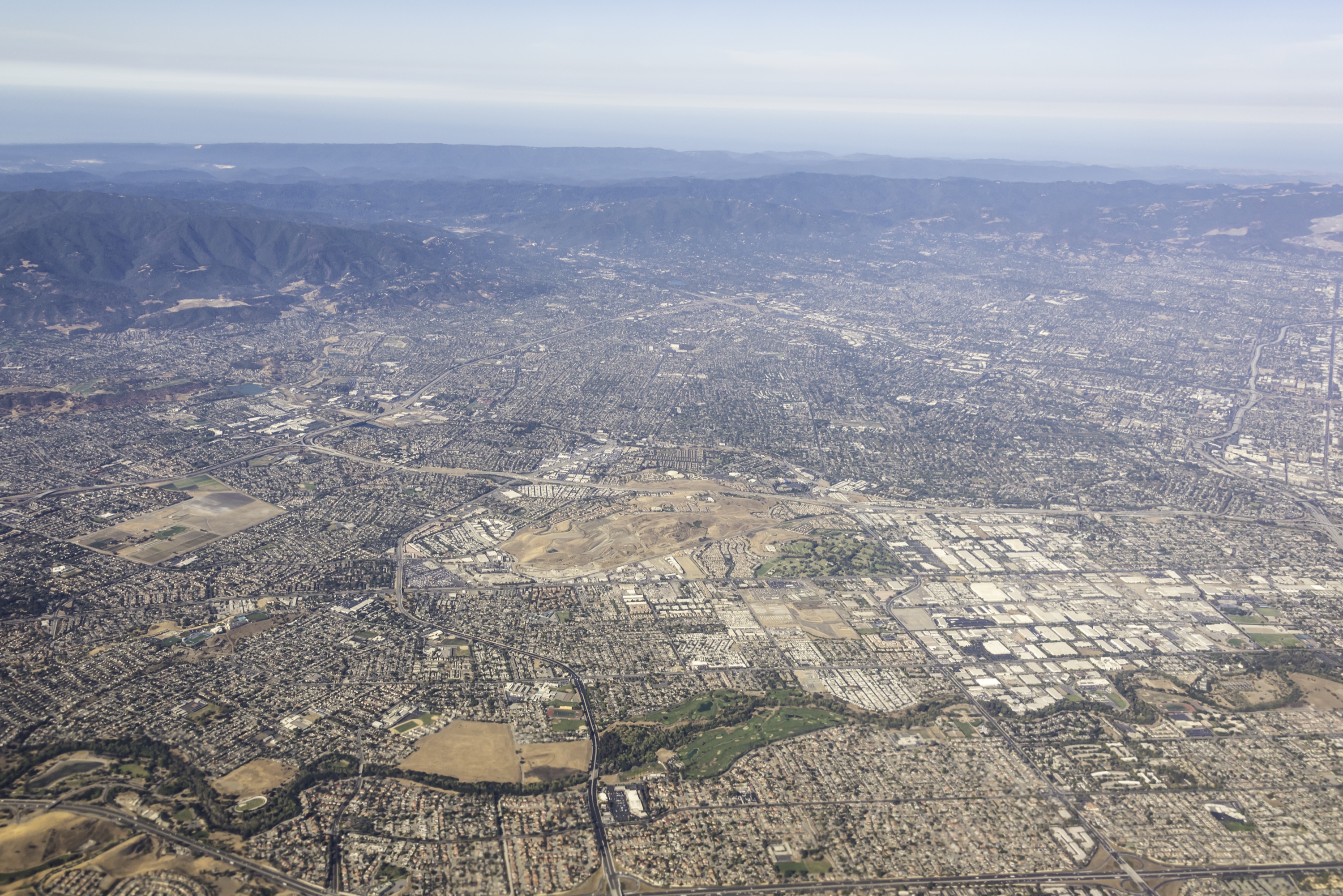
Sunnyvale is the Silicon Valley city buyers most often describe as a single place, and it is not one. Between the walkable historic core, the mid-century tracts near Ortega Park, the newer towers along the transit corridor, and the pocket that feeds into Cupertino schools, Sunnyvale contains four distinct markets with meaningfully different price behavior. This is the map.
Why Sunnyvale Confuses Buyers
Sunnyvale sits between Cupertino, Mountain View, Santa Clara, and Los Altos. Every one of those neighbors has a stronger single-word identity, and Sunnyvale gets described by what surrounds it rather than by what it is.
That is a mistake, because Sunnyvale is where a large share of Silicon Valley’s working technology population actually lives. It has the employment density, a genuinely walkable downtown, transit that people use, and a housing stock that runs from 1950s ranches to brand-new towers. It also has something Cupertino and Los Altos largely do not: real optionality below $3 million.
This is the fourth installment in my neighborhoods series, following Saratoga, Los Gatos, and Cupertino. Sunnyvale is the one where the internal differences matter most.
The Heritage District and Downtown Core
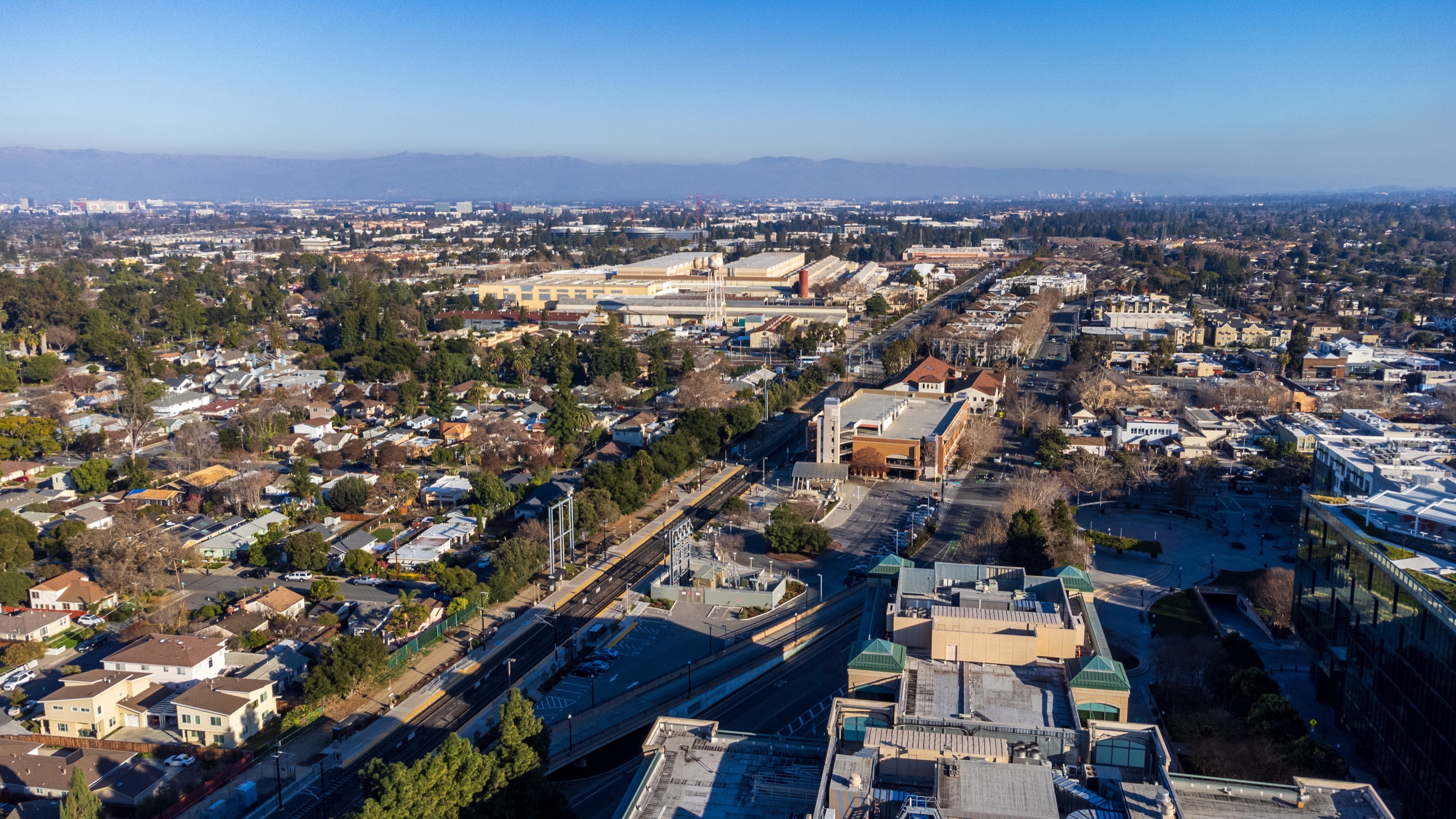
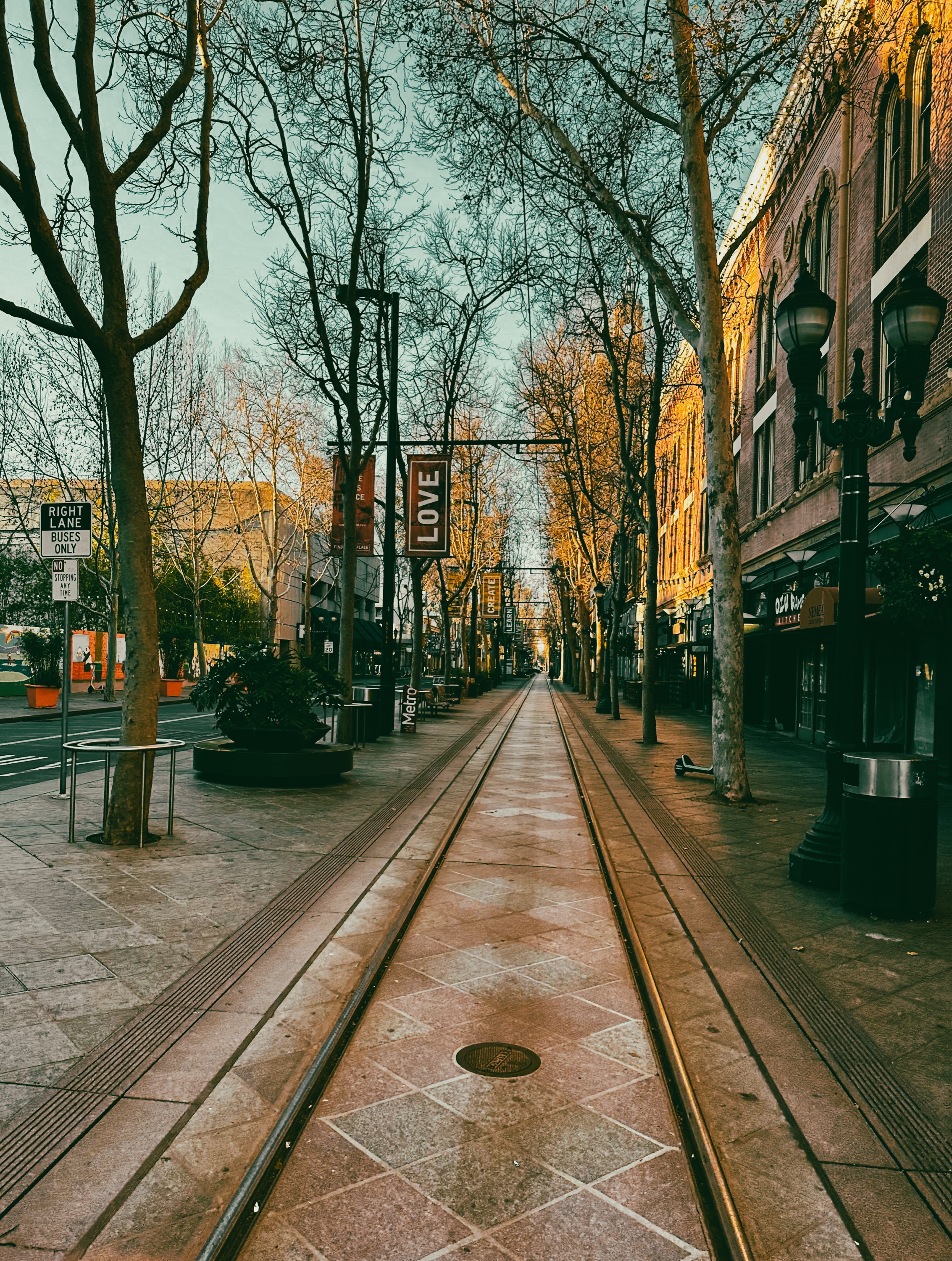
The Heritage District is the historic residential pocket immediately around Murphy Avenue and the Caltrain station, and it is the most character-driven housing in the city. Craftsman bungalows, older cottages, and small-lot homes on tree-lined streets, most built well before the valley became the valley.
Who buys here: people who want to walk to dinner. Murphy Avenue is a genuine restaurant street, the Saturday farmers market runs at the plaza, and the Caltrain platform is a short walk. For a two-income household where one person commutes to San Francisco or the Peninsula, this is one of the most functional addresses in the South Bay.
What to watch: lots are small, many homes carry original systems, and the character premium is real. You are paying for walkability and architecture, not square footage. Buyers moving from a larger interior elsewhere frequently underestimate that trade until they are inside.
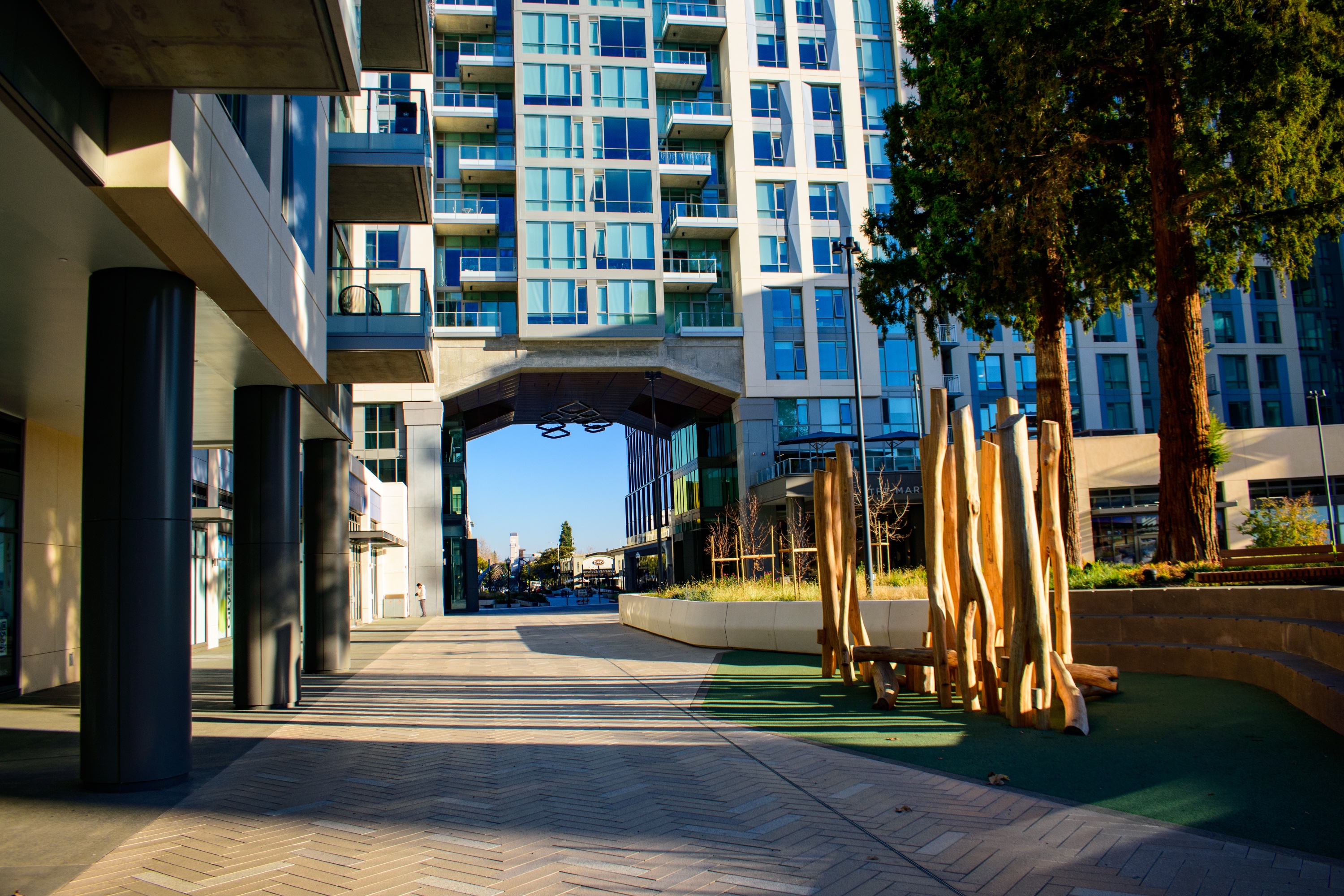
The downtown core also holds the newer condominium and townhome product. That inventory is the most accessible entry point into Sunnyvale and behaves differently from single-family stock — it is more rate-sensitive and more sensitive to new-construction competition nearby.
Ortega Park, Ponderosa, and the Mid-Century Belt
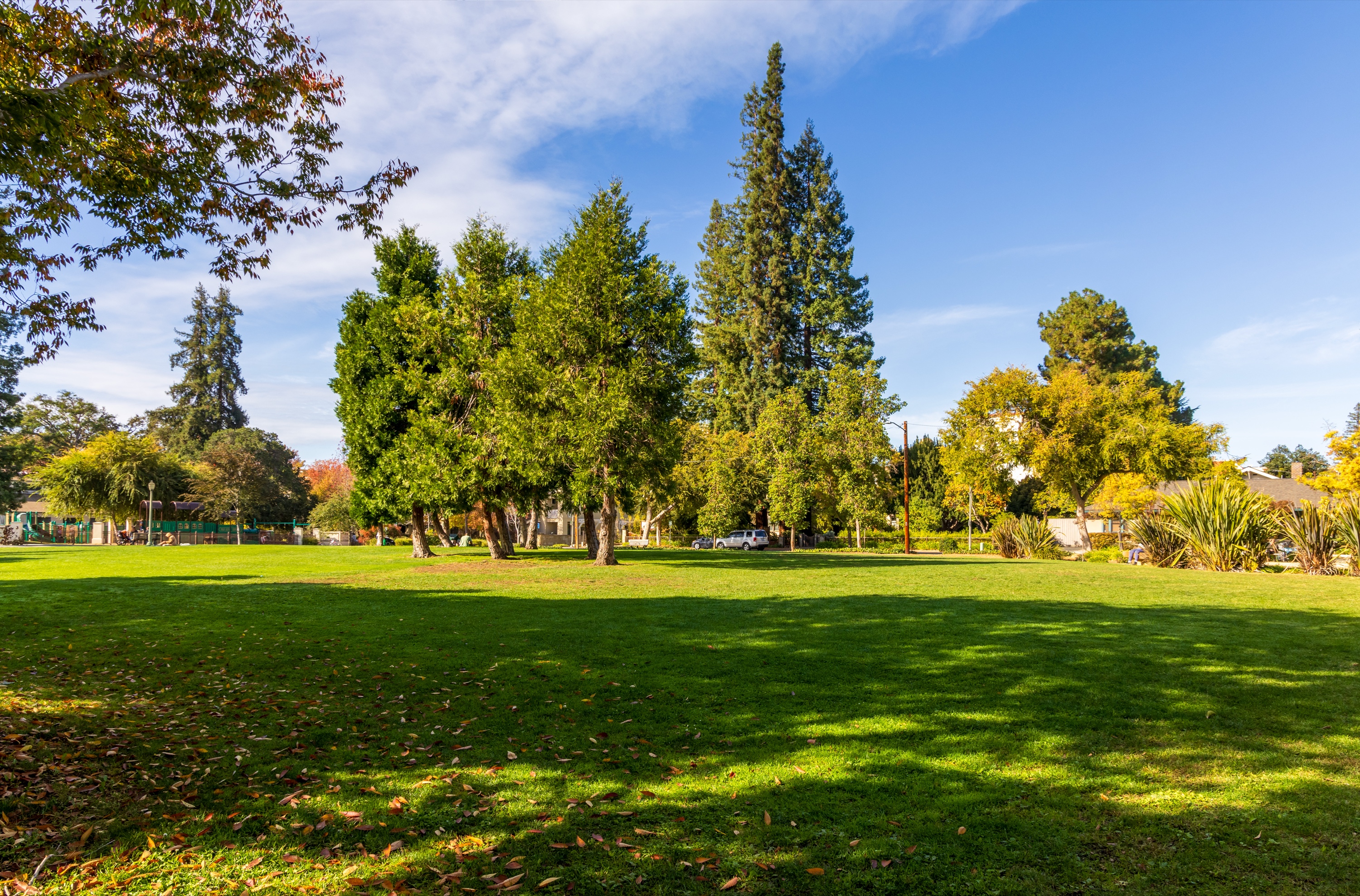
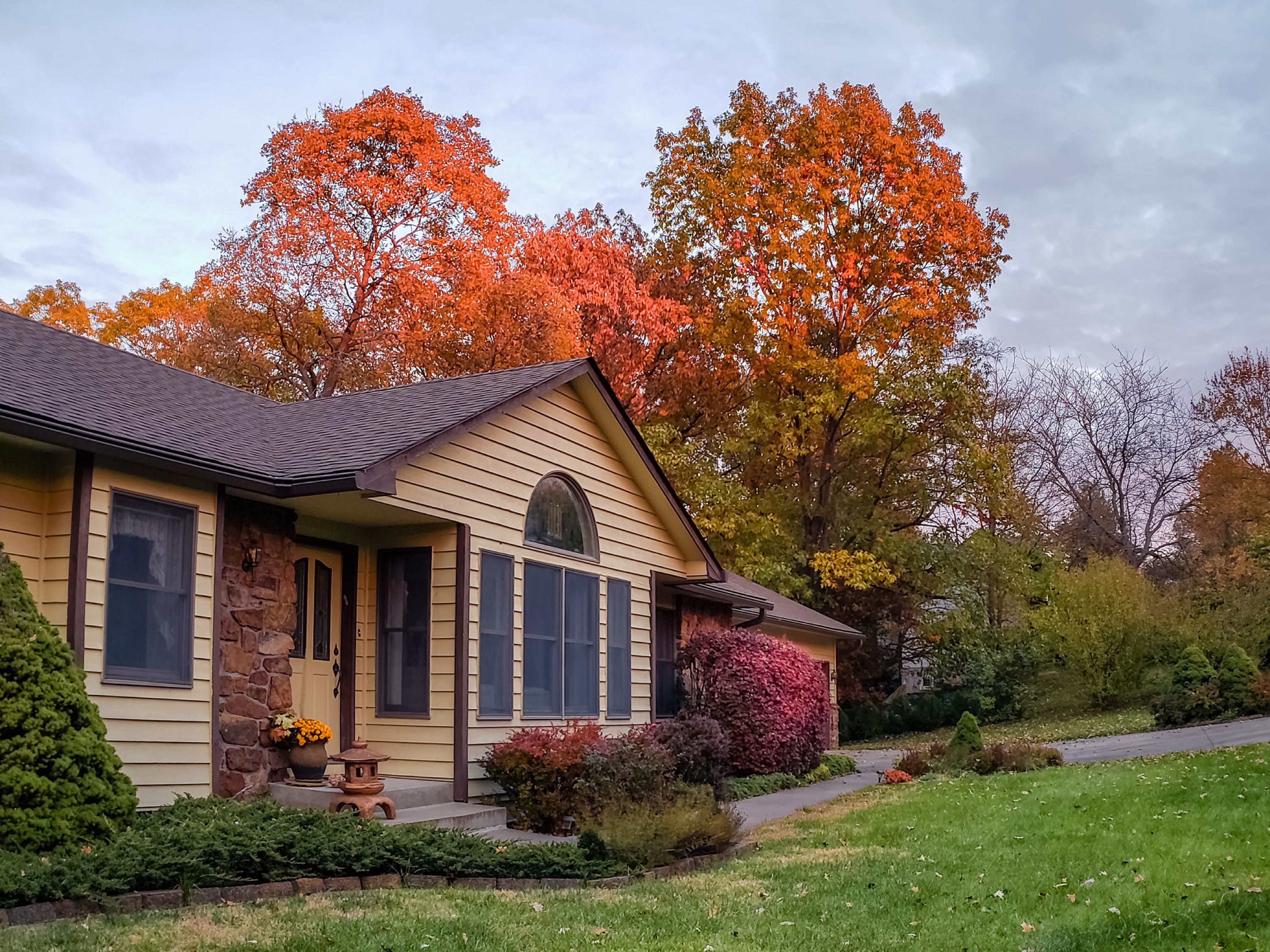
Move south and west from downtown and you enter the part of Sunnyvale that most people actually picture: post-war single-story ranches on regular lots, wide streets, and a park every several blocks. The Ortega Park and Ponderosa areas anchor this belt.
Who buys here: families who want a yard, a garage, and a park within walking distance, and who want it without paying a Cupertino or Los Altos premium. This is the working center of Sunnyvale’s family market.
The value mechanic: the housing stock here is highly renovatable. A 1,400-square-foot ranch on a standard lot can absorb a thoughtful kitchen and primary-suite expansion and gain meaningfully more than the cost of the work — which is exactly why this belt draws both end-users and investors. It also means the spread between an updated home and an original one on the same street is wide, and pricing has to reflect condition honestly rather than averaging the block.
What to watch: school assignment. This is where Sunnyvale gets genuinely complicated, and it deserves its own section.
The School District Question Nobody Explains Well
Sunnyvale is not served by one school district. Depending on the address, a Sunnyvale home can feed into Sunnyvale School District, Santa Clara Unified, Cupertino Union, or Fremont Union High School District. Two homes on opposite sides of the same street can have different assignments.
This is the single largest driver of intra-city price variation in Sunnyvale, and it is the thing buyers most often get wrong. The pocket of Sunnyvale that feeds into Cupertino Union and Fremont Union high schools carries a clear premium over otherwise comparable homes a few blocks away, and that premium holds through market cycles because it is structural rather than sentimental.
The practical rule: never assume assignment from the city name, the listing description, or a third-party website. Verify the specific address with the district directly before you write an offer. I do this for every Sunnyvale client, on every property, without exception. Assignments and boundaries change, and a listing that was accurate two years ago may not be accurate today.
Where the Sub-$3M Sweet Spot Lives
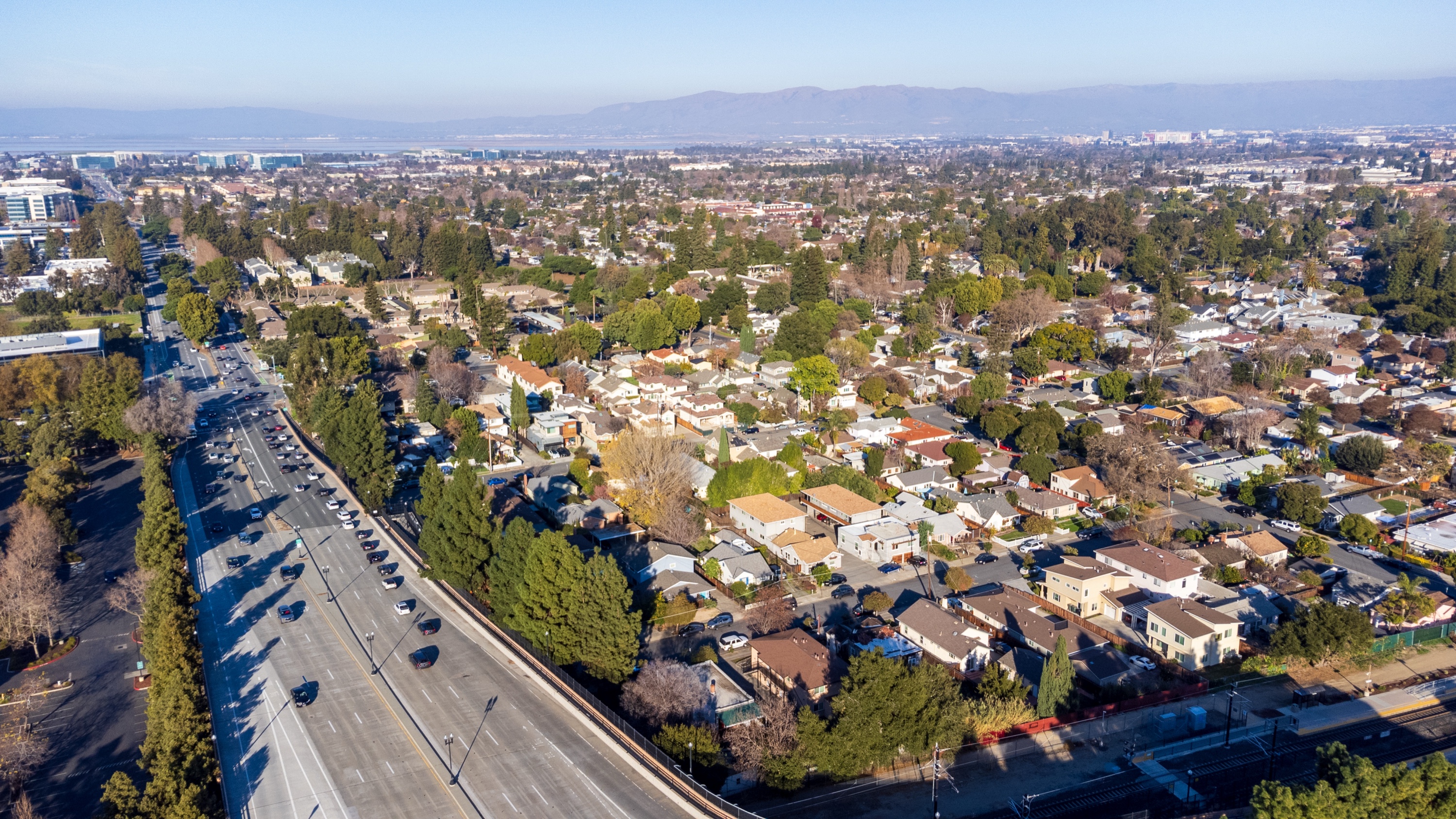
Here is the strategic point for buyers priced out of Cupertino, Los Altos, and Palo Alto.
- Updated mid-century ranch, non-premium school pocket: the largest and most liquid segment in Sunnyvale. Real houses, real yards, strong commute position, without the school-boundary premium layered on top.
- Original-condition ranch with expansion potential: the highest-upside segment, and the one where an accurate renovation budget separates a good purchase from a painful one.
- Downtown townhome or condominium: the most accessible entry into a walkable Silicon Valley downtown, with lock-and-leave practicality for frequent travelers.
- Premium school pocket: the segment that competes directly with Cupertino, and where you should expect Cupertino-style competition. In my spring analysis, Cupertino homes were closing above 105 percent of list, and the Sunnyvale addresses feeding those same high schools behave similarly.
The mistake I see repeatedly is a buyer treating all four as one market and getting whipsawed — losing three offers in the premium pocket while an identical house with a different school assignment sits available two miles away at a materially different number.
If You Own in Sunnyvale
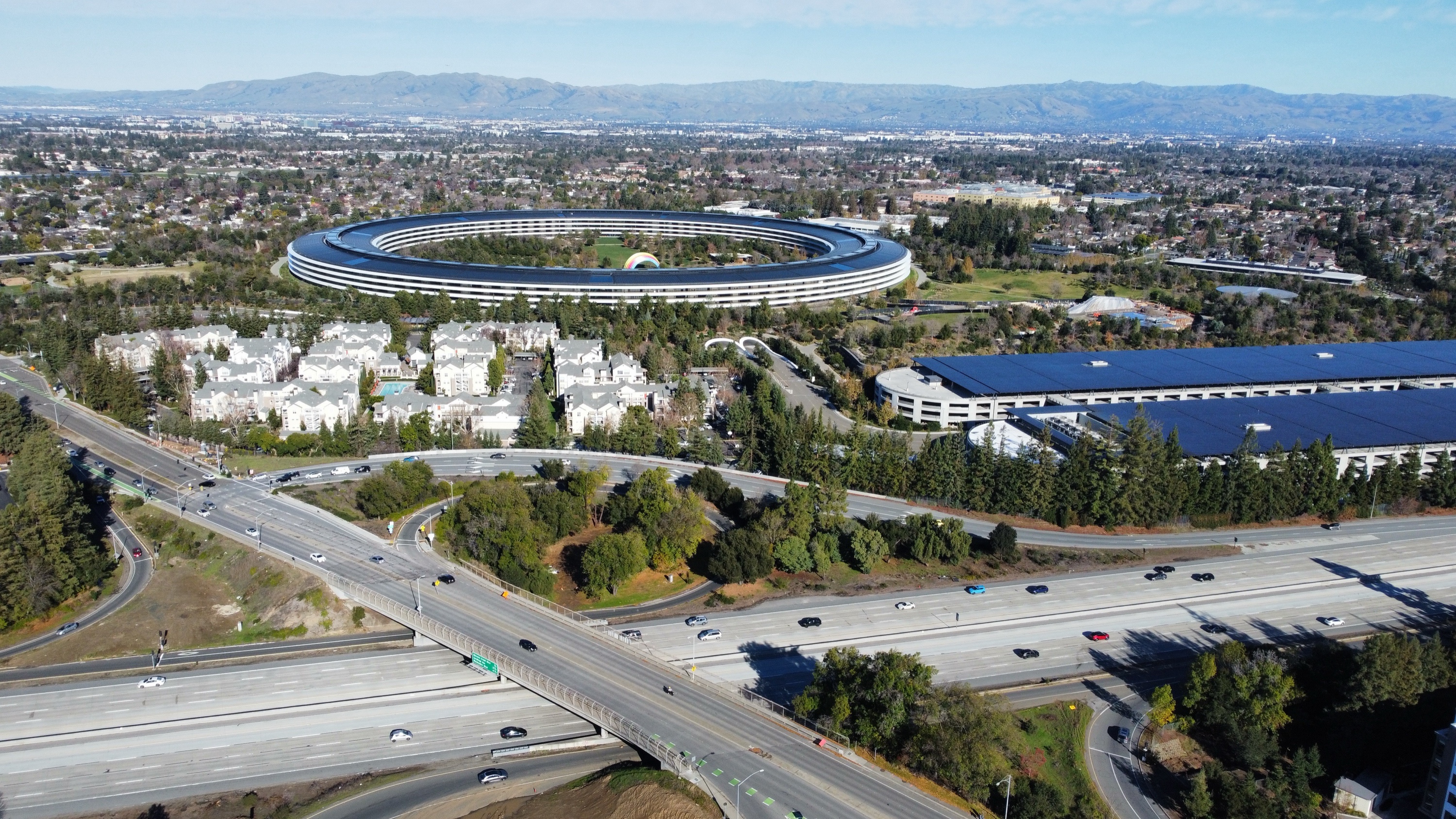
Sunnyvale owners are sitting on a specific advantage right now: yours is the segment buyers move to when Cupertino and Los Altos get too expensive, and that pressure has been consistent.
Two things determine your outcome. First, whether your listing is priced to your actual school assignment rather than to a city average — a premium-pocket home priced to a city median leaves real money on the table, and a non-premium home priced to the premium pocket sits. Second, condition. In a belt where the updated-versus-original spread is wide, targeted pre-listing work in the kitchen and primary bath routinely returns more than it costs.
If you own here and are weighing a fall listing, the preparation window is open now.
Frequently Asked Questions
What are the main neighborhoods in Sunnyvale, California?
Sunnyvale breaks into four functional markets: the Heritage District and downtown core around Murphy Avenue and the Caltrain station, the mid-century single-family belt around Ortega Park and Ponderosa, the newer condominium and townhome inventory along the transit corridor, and the eastern and southern pockets assigned to Cupertino Union and Fremont Union schools.
Which school district serves Sunnyvale homes?
It depends entirely on the specific address. Sunnyvale homes can feed into Sunnyvale School District, Santa Clara Unified, Cupertino Union, or Fremont Union High School District, and boundaries can split individual streets. Always verify assignment with the district for the exact address before making an offer.
Is Sunnyvale cheaper than Cupertino?
Generally yes, outside of the Sunnyvale pockets assigned to Cupertino Union and Fremont Union schools, which price much closer to Cupertino itself. That is why Sunnyvale is the most common landing spot for buyers priced out of Cupertino, Los Altos, and Palo Alto who still want strong commute access.
Is downtown Sunnyvale actually walkable?
Yes, and it is one of the few genuinely walkable downtowns in the South Bay. Murphy Avenue supports a real restaurant scene, the Saturday farmers market runs at the plaza, and the Caltrain station sits at the edge of the Heritage District, which makes it practical for Peninsula and San Francisco commuters.
Buying or Selling in Sunnyvale?
Sunnyvale rewards precision. School assignment, condition, and micro-location move the number more here than in almost any Silicon Valley city. I will verify the specifics for your exact address. Brad Bell — Coldwell Banker Global Luxury, Silicon Valley native, top 1% of realtors nationally.
Start the ConversationCategories
Recent Posts