
Tax Strategy for Silicon Valley Sellers: Capital Gains, Prop 19, and the $500K Exclusion

Silicon Valley homes appreciate. Sometimes a lot. A Cupertino bungalow that cost $850,000 in 2008 may be a $2.8M property in 2026, and a Los Altos Hills estate that traded for $2.4M in 1998 can clear $7M today. That kind of equity is the dream — until you start running the numbers on the sale and realize how quickly the tax man takes a meaningful slice.
I work with sellers every quarter who get a tax surprise at closing because nobody walked them through this BEFORE they listed. So in this guide, I'm going to give you the actual framework I use in my listing consultations: federal capital gains brackets, the $250K/$500K primary residence exclusion (and the math most people get wrong), Prop 19 portability if you're 55-plus, when a 1031 exchange genuinely makes sense, and a few advanced strategies most agents won't mention because they don't know them.
One housekeeping note before we dig in: I'm a real estate agent, not your CPA. The numbers and rules below are the framework you need to have a smart, focused conversation with your tax advisor — not a substitute for one. If you don't have a CPA who specializes in California real estate, I have a short list I'm happy to share.
The $250K / $500K Exclusion: The Most Misunderstood Number in Real Estate
Under IRC Section 121, if you've owned and lived in your primary residence for at least two of the last five years, you can exclude up to $250,000 of capital gain from federal taxes ($500,000 if you're married filing jointly). This is the single most important number in Silicon Valley seller planning.
Here's the math that surprises people. Your "gain" isn't your sale price minus your purchase price. It's:
Sale Price − (Original Purchase Price + Documented Improvements + Selling Costs) = Capital Gain
That parenthetical is your "cost basis." Capital improvements you've made over decades — a kitchen remodel, a permitted addition, the new roof, the solar install, the pool, the ADU — all add to your basis and reduce your taxable gain. Selling costs (commission, transfer taxes, escrow) also come out before the gain is calculated.

Capital improvements built into your basis are the single biggest lever most sellers miss.
So if you and your spouse bought a home for $900,000 in 2003, spent $400,000 on documented improvements over 23 years, sell for $3.4M, and pay $200,000 in selling costs, your federally taxable gain looks like this:
$3,400,000 sale − $900,000 basis − $400,000 improvements − $200,000 selling costs = $1,900,000 gain
$1,900,000 gain − $500,000 exclusion = $1,400,000 federally taxable long-term capital gain
At today's federal long-term capital gains brackets (0% / 15% / 20% depending on income), most Silicon Valley sellers in this scenario land in the 20% bracket, plus a 3.8% Net Investment Income Tax surcharge on the portion over the threshold. Then California stacks its own income tax on top — capital gains in California are taxed as ordinary income, which for high earners is 12.3% or 13.3%. Total combined: roughly 36 to 37% on much of that gain.
The takeaway: find every receipt, every permit, every contractor invoice from the last 25 years. Every documented improvement is roughly 36 cents back on the dollar.
Prop 19: The Tax-Base Transfer Most Sellers Don't Use
If you're 55 or older, severely disabled, or a victim of a wildfire/disaster, California Prop 19 (passed 2020) lets you transfer your existing property tax base from your current home to a replacement home anywhere in California, up to three times in your lifetime.
This is huge for long-time Silicon Valley homeowners. If you bought your home in 1995 and your assessed value is locked in at $400,000 (paying roughly $4,800/year in property tax), and you move to a new $3M home, normally your new tax bill would be around $36,000/year. With Prop 19, your assessed value transfers — with adjustments if the new home costs more than the old one.
The mechanics: if the replacement home costs equal to or less than the sale price of your old home, your old base transfers directly. If it costs more, the difference gets added to your old base. So selling a $3M home and buying a $3.5M home: new base = old base + $500K.
The window matters: Replacement home must be purchased within two years (before OR after) the sale of the original. Filing is on a Board of Equalization form, due within three years of the replacement purchase.
1031 Exchange: When It Makes Sense for Silicon Valley Sellers
The 1031 exchange (Section 1031 of the IRC) lets you defer all capital gains taxes when you sell investment property and reinvest the proceeds into "like-kind" investment property. Your primary residence does NOT qualify. Investment / rental property does.

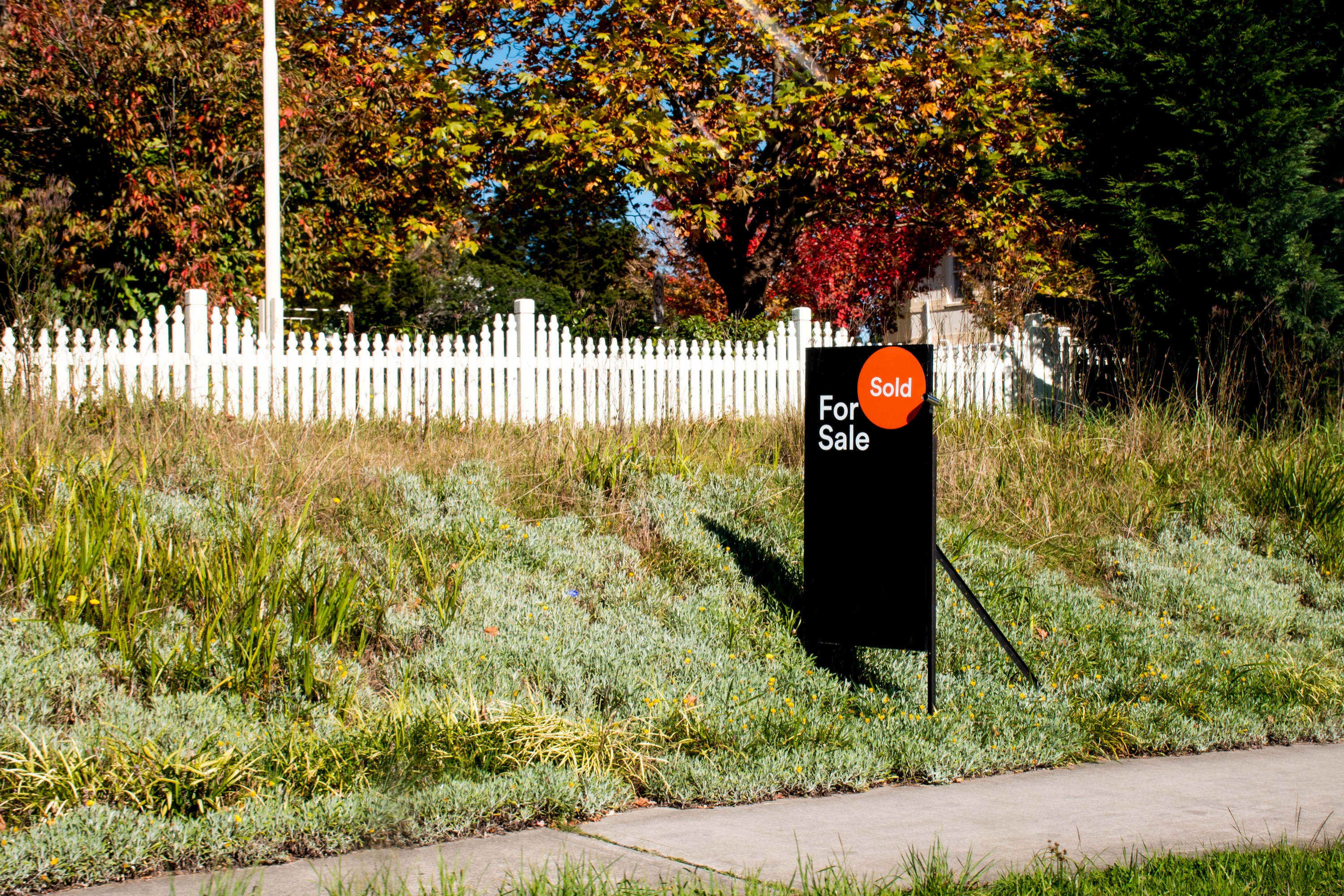
After the SOLD sign goes up: the 1031 timeline starts the day you close — 45 days to identify replacement, 180 to fund it.
Common Silicon Valley scenarios where it genuinely helps:
Selling a rental in San Jose, buying multiple smaller rentals in El Dorado County
Defer the full SV gain, diversify into lower-cost-of-entry properties with better cash flow.
Trading a single-family rental into a small multifamily
Scale up unit count without taking a tax hit on the appreciated equity.
Moving California rental equity to Texas, Arizona, or Tennessee
Geographic diversification while deferring federal AND California state tax.
The catch: 45 days from the sale of the relinquished property to identify replacement properties in writing, 180 days to close on them. Use a Qualified Intermediary — the IRS does not let you touch the proceeds. I work with two QIs I trust in the Bay Area and I'm happy to make an introduction.
Advanced Strategies Most Agents Skip
Qualified Opportunity Zones (QOZs)
You can defer capital gains by investing them within 180 days into a Qualified Opportunity Fund that targets designated Opportunity Zones. Hold 10+ years and any new appreciation on the QOZ investment becomes federally tax-free. Several SV-adjacent zones qualify. Higher risk, longer hold — worth a CPA conversation if your gain is north of $1M.
Installment Sale (Seller Financing)
If you're willing to carry a note (you become the bank for the buyer), you spread the gain — and the tax — across multiple years. In a high-rate environment, this can also let you earn 6-8% interest on the deferred principal. Particularly useful for high-income sellers trying to stay under tax bracket thresholds.
Step-Up in Basis (Estate Planning)
If you're 75-plus and your home is your largest asset, talk to your CPA and estate attorney about whether selling now even makes sense. Assets passed at death receive a stepped-up basis — meaning your heirs inherit the home at today's fair market value and can sell it the next day with near-zero capital gains tax. Sometimes the smartest move is not to sell.

Cupertino, Los Altos, and Palo Alto homeowners have decades of locked-in equity — the tax planning matters more here than almost anywhere.
The Pre-Listing Tax Conversation Checklist
1. Pull your settlement statement from when you bought.
Establishes your original basis.
2. Build an improvements ledger.
Every permitted remodel, addition, roof, HVAC, solar, ADU. Receipts and permits both ideal.
3. If 55-plus and moving within California, run Prop 19 numbers.
Property tax transferability often saves more annually than people realize.
4. If selling a rental, get a 1031 timeline scoped.
Identify your QI before listing — not after the offer comes in.
5. Loop in your CPA before listing, not after closing.
Some structures only work with pre-sale planning.
FAQ
Does the $500K exclusion apply if I’m widowed?
Yes, but timing matters. A surviving spouse can claim the full $500,000 exclusion if the sale happens within two years of the spouse’s death and the other qualifications are met. After that, you’re back to the single-filer $250,000.
Can I use Prop 19 if I move out of California?
No. Prop 19 transferability is California-to-California only. If you’re relocating to another state, you lose the tax base advantage.
Do I have to live in the home two years in a row?
No. The "two of the last five" rule is cumulative, not consecutive. Two non-consecutive years works.
What counts as a "capital improvement" vs. a "repair"?
Roughly: improvements add value, prolong life, or adapt to new uses (new roof, addition, full remodel). Repairs maintain current condition (fixing a leak, repainting). Improvements add to basis; repairs do not.
Run Your Numbers Before You List
Free 30-minute consult: I'll walk through your specific situation — exclusion math, Prop 19 portability, basis-building, and timing. No pressure, no pitch.
Categories
Recent Posts