
The 21-Day Pre-Listing Sequence: How a $2M+ Silicon Valley Home Gets Ready Before It Ever Hits the MLS
The 21-Day Pre-Listing Sequence: How a $2M+ Silicon Valley Home Gets Ready Before It Ever Hits the MLS
Most sellers think the work starts the day the sign goes in the ground. It does not. By then the price is largely already decided. The three weeks before a Silicon Valley luxury listing goes live are the highest-leverage window in the entire transaction — and almost none of it is glamorous.
I get a version of the same question at nearly every listing appointment: how fast can we be on the market? The honest answer is that I can put a home on the MLS in forty-eight hours. I just should not, and neither should any agent you are interviewing. The compressed timeline my sellers run — typically seven to eleven days from live listing to accepted offer — only works because the twenty-one days before that were used properly.
Here is the actual sequence, in order, with what happens when it gets skipped.
Days 1–3: Listing Agreement, Inspections, and the Disclosure Clock
The first thing that happens after signatures is not photography. It is inspections. In a $2M-plus Santa Clara County sale, I want the general home inspection, the pest report, and — depending on the property and its age — roof, sewer lateral, or chimney reports ordered inside seventy-two hours.
Two reasons, both financial:
- You control the narrative on defects. A buyer’s inspector who finds a $9,000 subfloor issue on day three of escrow is a renegotiation. The same issue disclosed up front, with a bid attached, is a line item the market prices in before it makes an offer.
- You get time to fix what is worth fixing. Reports take days to come back. Contractors take days to bid. If the reports land the week you go live, every repair decision gets made under pressure, which is how sellers end up overspending on the wrong things.
A complete disclosure package sitting in the listing on day one is also, quietly, one of the most effective pricing tools available in this market. It removes the buyer’s excuse for a low, contingency-heavy offer. Buyers here read packages carefully; a thin one reads as a warning.
Days 3–7: The Repair Triage — What Actually Pays You Back
Once reports are in, we triage. My rule of thumb is simple: fix what a buyer will notice within four seconds of walking in, fix what an inspector will write up in bold, and leave nearly everything else alone.
Do
- Interior paint in a current, neutral palette — the single highest-return dollar in pre-listing prep, year after year.
- Floor refinishing or targeted carpet replacement where wear is visible.
- Every non-working item that costs under a few hundred dollars: dead bulbs, sticking doors, running toilets, cracked switch plates, torn screens.
- Landscape cleanup, mulch, and a fresh front door. Curb appeal is where the buyer decides what mood they are walking in with.
- Deep clean, including windows inside and out. It photographs.
Usually Do Not
- Full kitchen or primary-bath remodels weeks before listing. You will not recover the premium, and you will lose the calendar.
- Solar, pools, or major systems replacement purely to sell.
- Anything requiring a permit you cannot close before close of escrow.
The distinction that matters: presentation spending returns, capital spending usually does not. A buyer paying $2.8 million in Cupertino or Los Gatos is not paying you back for a new HVAC system. They are paying more because the house felt cared for.
Days 5–12: Staging, and Why It Is Not Optional at This Price Point
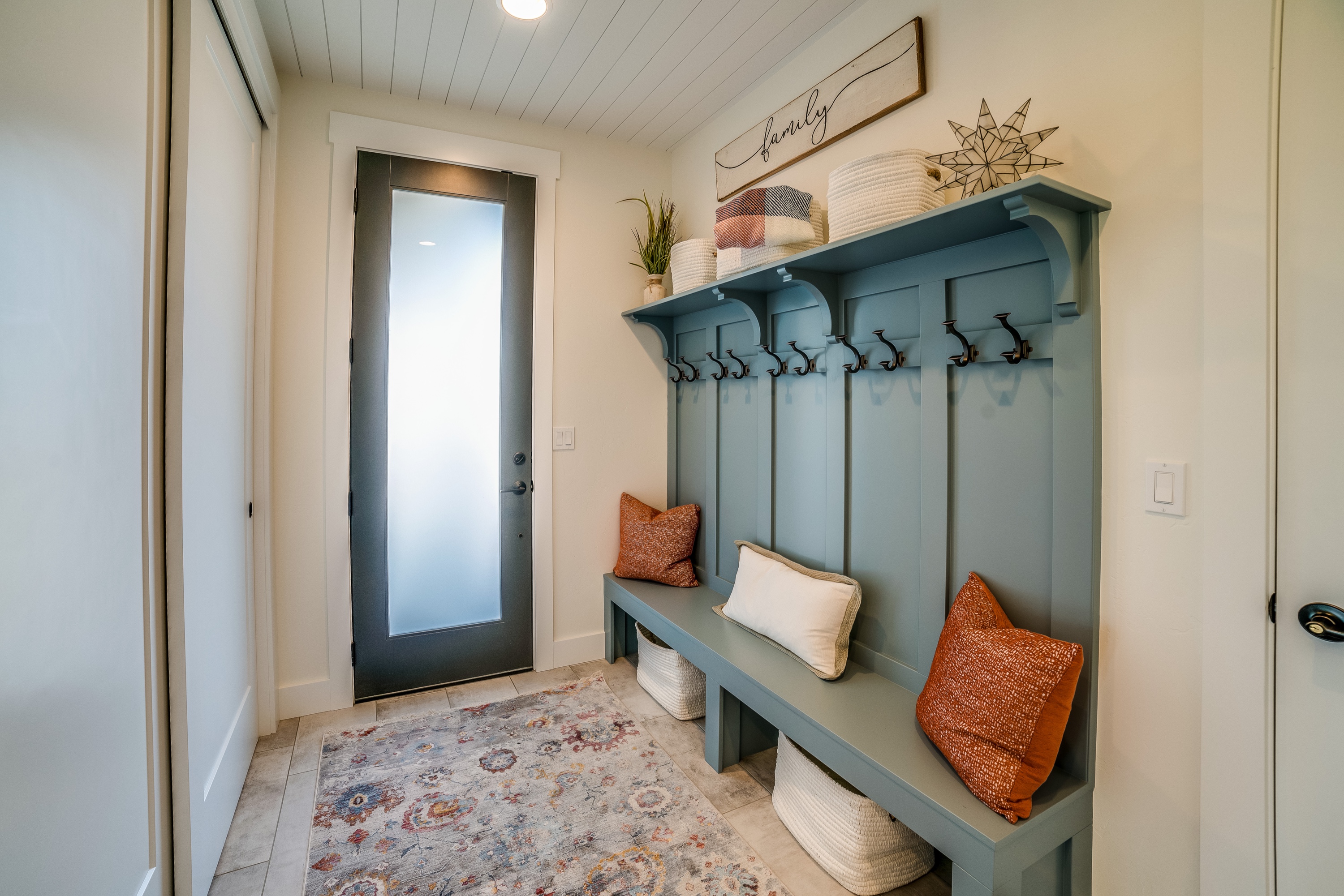
Staging in the luxury tier is not about filling rooms with furniture. It is about making the floor plan legible. Buyers in this market are trying to answer three questions in the first ninety seconds: where do we actually live in this house, where does the work-from-home setup go, and is there room for the way we entertain? Good staging answers all three before anyone asks.
Practically, staging runs one to two weeks from consultation to install for a full home. That is why it belongs here in the sequence and not later. It also has to be complete before photography — every day of slippage on staging is a day of slippage on the media, which is a day of slippage on going live.
Through Coldwell Banker Global Luxury, the marketing production, staging coordination, and print collateral run as one managed package rather than as a stack of vendors my sellers have to chase individually. That matters mostly for one reason: it protects the calendar.
Days 12–16: Media Week

Once the home is staged and clean, the media package gets shot in a single coordinated block: HDR interior and exterior stills, 4K aerial video, a Matterport 3D walkthrough, floor plans, and a produced property film. Twilight exteriors get scheduled separately because they only work in about a forty-minute window.
Two things I hold firm on:
- No listing goes live with partial media. The first seventy-two hours generate the majority of a listing’s lifetime online traffic. Spending that window with eight photos and a promise of more is spending your best asset on nothing.
- Weather is a real input. If the shoot day is flat and grey, we move it. A luxury listing photographed under a white sky reads as a discount before a buyer has read a single word.
Days 16–20: Pricing, Positioning, and the Pre-Market Runway

Pricing happens near the end of the sequence, not the beginning, and that is deliberate. The comparative market analysis I present at the listing appointment is a range. The number we actually go out with is set once the house is finished, staged, photographed, and I can see exactly what a buyer will see. A home that presents in the top decile of its comp set is priced differently than the same house presented mid-pack.
The West Valley data I have been tracking through this year makes the case for why preparation carries the price: well-prepared Saratoga listings have been going pending in roughly eleven days at about 101 percent of list, Los Gatos around thirteen days at about 100 percent, and prepared Cupertino homes have repeatedly cleared 105 percent of list. Those are not market-wide averages that any listing inherits. They are what happens to properly prepared, properly priced homes.
The last four days are the pre-market runway: coming-soon exposure to my agent network and buyer database, the Coldwell Banker Global Luxury distribution channels, and the targeted digital push into the neighborhoods and buyer profiles most likely to transact. By the time a well-run listing goes live, a meaningful share of the eventual buyer pool already knows it exists.
Day 21: Live — Then the Compressed Window
From there the timeline tightens deliberately. First weekend of open houses, Monday interest analysis based on actual showing and disclosure-package activity, and if interest is strong, an offer deadline set for Tuesday or Wednesday at 2 PM. That is the model — concentrate demand into a defined window rather than letting a listing sit and age.
None of that works on a home that went live unprepared. An offer deadline on a listing nobody is excited about is just a public failure. The deadline strategy is a downstream benefit of the twenty-one days that came before it.
What It Costs to Skip It
The three most expensive shortcuts I see, in order:
- Going live before inspections are back. It converts every defect into a mid-escrow renegotiation, where the seller has the least leverage they will ever have.
- Photographing an unstaged or half-finished house. You cannot re-shoot your way back into a first impression. Days on market accumulate from the first day, not from the day the photos improved.
- Pricing from a spreadsheet instead of from the finished product. The comps tell you what the range is. The finished house tells you where in that range you actually belong.
If you are thinking about selling this fall — and the Labor Day through Halloween window is a real one in this valley — the useful thing is not to pick a list date. It is to count back twenty-one days from it and start there. I have written separately about why that fall window works and about the full arc of a Silicon Valley sale.
Frequently Asked Questions
How long should it take to prepare a Silicon Valley home for sale?
Roughly three weeks for a typical $2M-plus home in good condition. That covers inspections and disclosures in days one through three, repair triage through day seven, staging from days five to twelve, the full media package in days twelve to sixteen, and pricing plus pre-market exposure in the final week. Homes needing meaningful repair work run longer.
Should I get inspections before listing my home in Santa Clara County?
Yes. Pre-listing inspections let you disclose known conditions with repair bids attached rather than discovering them mid-escrow, when the buyer holds the leverage. A complete disclosure package available on day one also removes a buyer’s justification for a heavily contingent offer, which is worth real money in a competitive market.
Is staging worth it for a luxury home in Los Gatos, Saratoga, or Cupertino?
At this price point it is standard, not optional. Staging makes the floor plan legible in the first ninety seconds and dramatically improves the photography that drives online traffic. Plan one to two weeks from consultation to installation, and complete it before the media package is shot.
Which pre-listing repairs actually increase a Silicon Valley sale price?
Presentation-level work returns; capital work generally does not. Interior paint, floor refinishing, landscape cleanup, a fresh front door, small non-working items, and a deep clean are consistently worth doing. Full remodels, pools, solar, and major systems replacements undertaken purely to sell usually do not return their cost and consume the calendar.
Thinking About a Fall Listing?
If you are considering selling in Los Gatos, Saratoga, Cupertino, Campbell, Sunnyvale, or anywhere in Silicon Valley, the right time to start is about three weeks before you want to be live. I am Brad Bell — Coldwell Banker Global Luxury, Silicon Valley native, top 1% of realtors nationally.
Start the ConversationCategories
Recent Posts