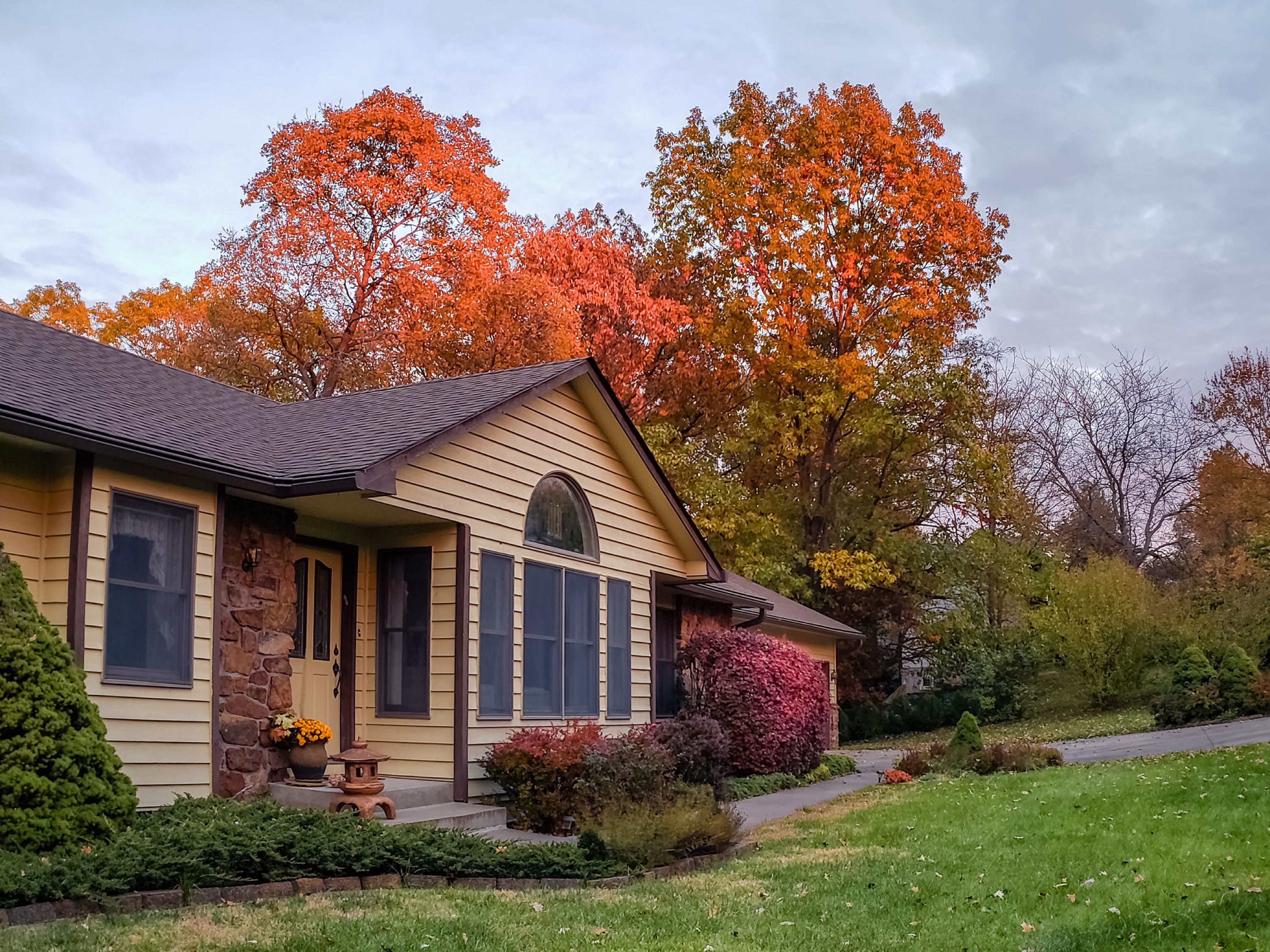

The Fall Selling Window: Why Labor Day Through Halloween Is Silicon Valley's Second-Best Listing Season

The Fall Selling Window: Why Labor Day Through Halloween Is Silicon Valley’s Second-Best Listing Season
Most Silicon Valley homeowners believe there is one selling season here, and that it ends in June. That belief costs sellers money every single year. The eight weeks between Labor Day and Halloween are the second-strongest listing window in this market, and in some price bands they are the strongest. Here is how the fall window actually works, and how to be ready for it.
Why the Fall Window Exists at All
Silicon Valley does not run on a traditional residential calendar. It runs on a hiring calendar, an equity calendar, and a school calendar, and all three converge in September.
Buyers who lost out in the spring are still buyers. They have their financing in place, they have seen thirty homes, and by September they are tired of losing. That is the most decisive buyer pool you will ever face as a seller. Add the September wave of relocating engineers and executives who need to be settled before the winter, plus the annual vesting and bonus cycles at the large valley employers, and you get a compressed group of qualified, motivated, well-capitalized buyers arriving into a market with far less inventory than May.
The math is simple. Spring gives you the most buyers and the most competition from other sellers. Fall gives you fewer buyers but dramatically fewer competing listings, and the buyers who remain are the serious ones. In a market where a well-prepared home in the West Valley has been going pending in under two weeks, that trade is often in the seller’s favor.
The Preparation Runway Starts Now, Not in September

The single biggest mistake I see with fall sellers is starting the conversation in September. By then you have already lost the window. My listing process is compressed by design, but it still requires a runway.
The Six-Week Backward Plan
- Weeks 1–2 (mid-to-late August): Listing agreement, pre-listing inspection ordered, contractor walk-through, and the punch list built from what an inspector will actually flag rather than what feels urgent.
- Weeks 3–4: Repairs, paint, floors, and landscaping executed. Coldwell Banker Listing Concierge is engaged so the marketing package is being built while the trades are still working.
- Week 5: Staging installed, then professional media: HDR photography, 4K aerial, Matterport 3D tour, floor plans, and the property video.
- Week 6: Go live. Broker tour, then the first full weekend of open houses.
Count backward from a mid-September launch and the work starts in the last two weeks of August. Count backward from an early-October launch and you have until the first week of September. That is the real deadline, and it is closer than most sellers think.
Pricing Into a Thin-Inventory Market

Fall pricing is a different exercise from spring pricing, because your comp set is thinner and staler. Three rules govern it.
Rule one: price to the buyer pool, not to the summer peak. If your neighbor sold in May at a number driven by six competing offers, that number is evidence, not a target. Reproduce the conditions or discount the expectation.
Rule two: use velocity as your pricing signal. Days on market and sale-to-list ratio tell you more about correct pricing than the raw dollar figure does. In my spring West Valley analysis, Saratoga was averaging roughly eleven days on market at about 101 percent of list, and Los Gatos roughly thirteen days at about 100 percent. Those are the signatures of a correctly priced market. When a listing sits past three weekends in a market like that, price is the diagnosis nine times out of ten.
Rule three: never price for a reduction. My process is not built on listing high and cutting later. It is built on an interest analysis at the end of week one, and an offer deadline set when the interest justifies it. That approach is what produces the compressed seven-to-eleven-day timelines, and it works better in fall than in spring precisely because there is less noise competing for buyer attention.
What Actually Moves the Number in Autumn
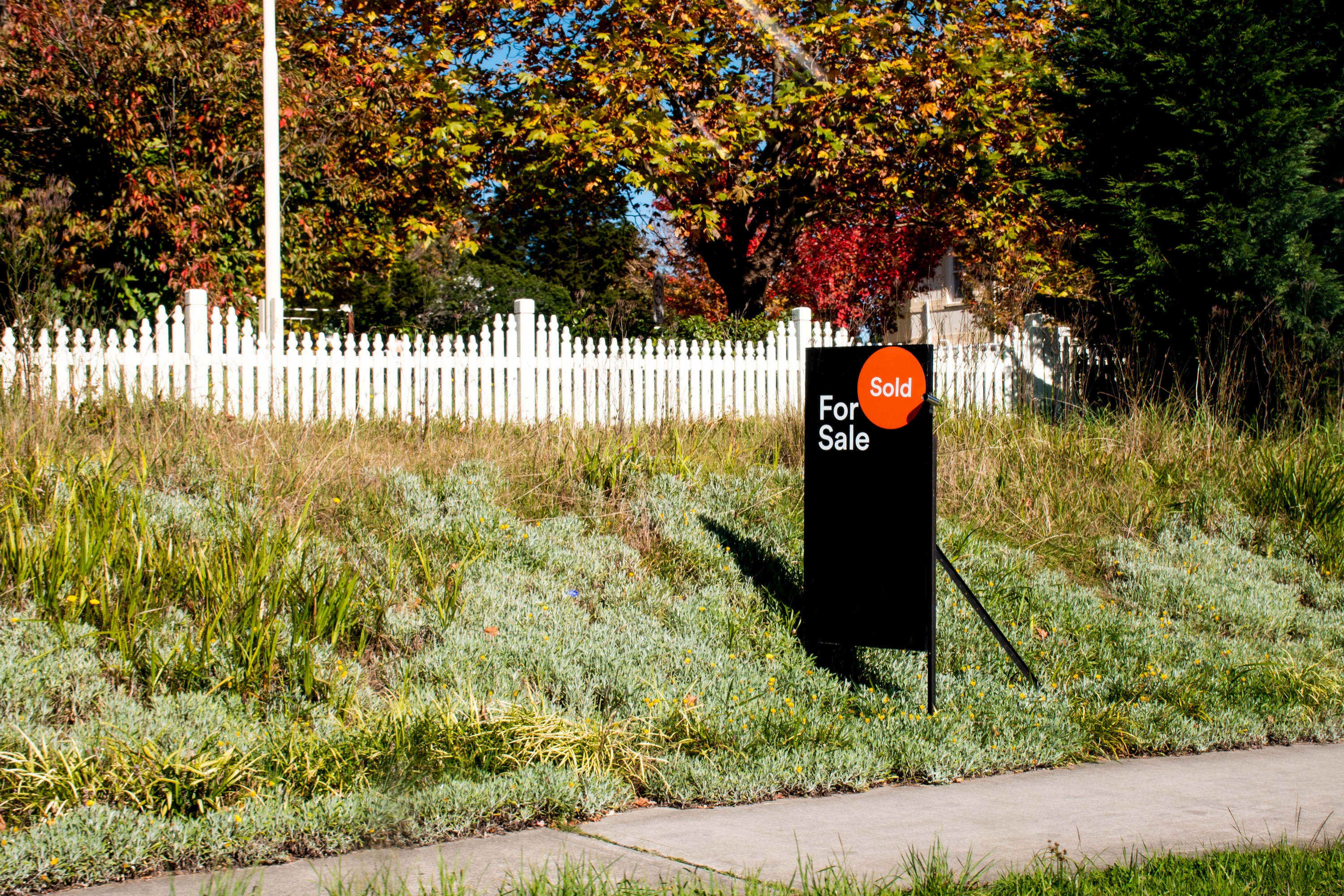
Fall buyers walk through your home in different light and different weather than spring buyers. A few things matter disproportionately.
- Exterior lighting. Showings run later into dusk. Path lighting, uplit trees, and a warm entry read as care and quality. Dark driveways read as deferred maintenance.
- Warmth in the staging. Fall staging should feel layered and lived-in, not the airy summer look that photographs beautifully in June and reads cold in October.
- The yard, honestly assessed. Late-summer lawns in this valley take a beating. Fresh mulch, trimmed hedges, and clean hardscape do more for perceived value per dollar spent than almost any interior line item.
- Systems documentation. Fall buyers are practical buyers. Roof age, HVAC service records, permit history, and a completed pre-listing inspection package remove the negotiating leverage a buyer would otherwise create in the contingency period.
For a deeper walk through the full preparation sequence, see my complete guide to selling a Silicon Valley home for top dollar, and if you are weighing whether to sell or hold, the rent-versus-sell framework covers that decision in detail.
Who the Fall Window Is Wrong For

I would rather tell you not to list than watch a listing go stale. The fall window is the wrong choice in three situations.
If the home is not ready. A deferred-maintenance home priced at a prepared-home number will sit in any season, and a home that sits into November will carry that history into the spring relaunch. Take the extra sixty days.
If your timeline runs past mid-November. Between Thanksgiving and the first week of January, buyer traffic in this market genuinely thins. If you cannot be live by roughly the third week of October with a realistic four-week escrow, a February or March launch is the better strategic call.
If you are mid-1031 or mid-move-up without a plan. Selling into a thin-inventory fall is excellent for a seller and challenging for that same person as a buyer. If you are selling here and buying here, the sequencing conversation comes before the listing conversation.
Frequently Asked Questions
Is fall really a good time to sell a home in Silicon Valley?
Yes, for a prepared home. Inventory drops sharply after summer while a well-qualified group of buyers, including spring losers and September relocations, is still active. Fewer competing listings and more decisive buyers is a favorable combination for sellers in Saratoga, Los Gatos, Campbell, Cupertino, and Sunnyvale.
When should I start preparing to list this fall?
Work backward six weeks from your target launch date. For a mid-September launch, preparation starts in the last two weeks of August. For an early-October launch, the first week of September. The runway covers inspection, repairs, staging, and the full media package.
Do homes sell for less in the fall than in the spring?
Not automatically. Price is driven by preparation, pricing strategy, and competing inventory more than by the month on the calendar. A correctly priced, fully prepared fall listing in a low-inventory market frequently outperforms an overpriced spring listing competing against twelve similar homes.
How late in the year can I list and still expect a strong result?
In Silicon Valley I generally want a listing live by roughly the third week of October so escrow closes before the holidays. Past mid-November, buyer traffic thins meaningfully and a February or March relaunch is usually the stronger play.
Thinking About a Fall Listing?
If you are considering selling in Saratoga, Los Gatos, Campbell, Cupertino, or anywhere in Silicon Valley this fall, the preparation window is open right now. I am Brad Bell — Coldwell Banker Global Luxury, Silicon Valley native, top 1% of realtors nationally.
Start the ConversationCategories
Recent Posts