Palo Alto Real Estate: Inside Silicon Valley's Most Prestigious Address
Palo Alto Real Estate: Inside Silicon Valley’s Most Prestigious Address
Stanford on one side, the Googleplex five minutes north, world-class public schools, and a downtown that still feels like a small town. Here’s the honest 2026 picture of buying and selling in Palo Alto — from a $2M Midtown bungalow to a $20M+ Old Palo Alto estate.
If Silicon Valley is the most desirable real estate market in the country, Palo Alto sits at the very top of it. The 94301, 94303, 94304, and 94306 ZIP codes consistently produce the highest median sale prices in Santa Clara County, the most competitive bidding wars, and some of the most coveted school assignments in California. There’s a reason every founder, partner, and tech executive eventually asks the same question: should we buy in Palo Alto?
I’m Brad Bell, a Silicon Valley native and top 1% real estate agent nationally with Coldwell Banker Global Luxury. I work both sides of the Palo Alto market — long-time homeowners with eight-figure equity considering a sale, and tech executives relocating from Seattle, New York, and abroad who want to understand exactly what their money buys here. This is what every buyer and seller in Palo Alto needs to know about the 2026 market.
Why Palo Alto Commands the Premium
Palo Alto’s pricing isn’t arbitrary — it’s the math of three structural advantages that no other Silicon Valley city has all three of:
Stanford on Your Doorstep
Stanford University isn’t just a neighbor — it’s a permanent economic anchor. Faculty housing, research spinouts, and Stanford Hospital all generate consistent demand from buyers who don’t need to commute anywhere else.
Top-3 Public Schools in California
Palo Alto Unified School District (PAUSD) consistently ranks in the top tier statewide. Gunn High School and Palo Alto High School both send graduates to the Ivies, MIT, and Stanford every year. School-driven demand is the floor under the entire market.
The Tech Center of Gravity
Page Mill Road, Sand Hill Road, and the downtown University Avenue corridor put residents within a 10-minute drive of HP, Tesla, Palantir, Stanford Research Park, and dozens of VC firms. There’s nowhere else in Silicon Valley with this density of capital.
Genuine Limited Supply
Palo Alto is fully built out. The city has roughly 26 square miles of land, no significant new development, and many homes that have been in the same family for decades. Scarcity is structural, not cyclical.
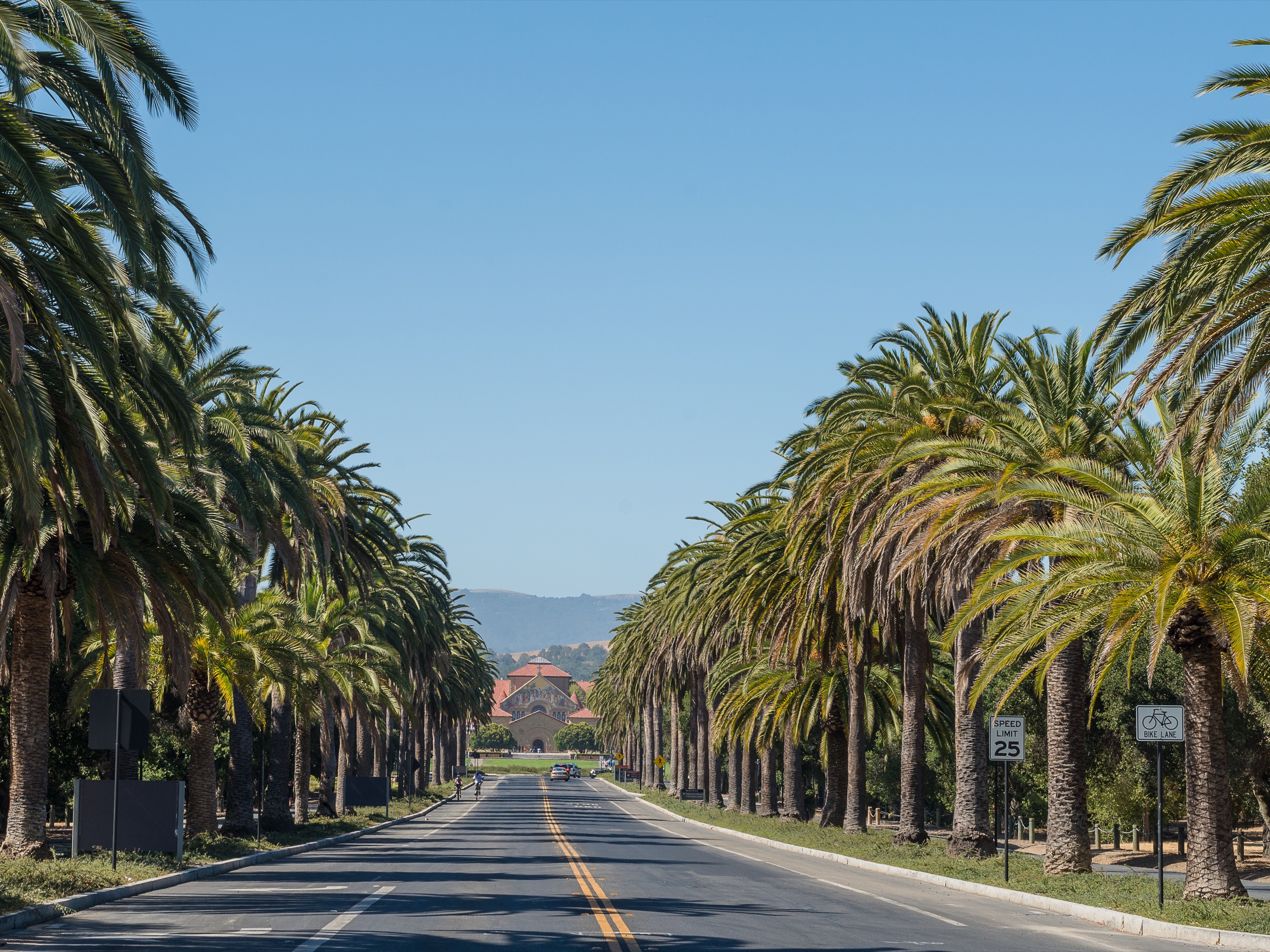
Palm Drive — Stanford’s iconic entrance and the symbolic anchor of the entire Palo Alto market.
The Six Palo Alto Neighborhoods That Matter
“Palo Alto” is not one market — it’s six distinct neighborhoods with meaningfully different price points, lifestyles, and buyer profiles. Knowing which one you’re actually shopping is the difference between an offer that wins and one that wastes a Saturday.
Old Palo Alto — The Crown Jewel
Bordered roughly by Embarcadero, Middlefield, Lincoln, and Alma, Old Palo Alto is where the largest estates, the deepest lots, and the most discreet sales happen. Mature trees, oversized parcels, and homes that often trade off-market between long-time families and incoming founders. Expect $7M for a tear-down on a good lot and $20M+ for the showstoppers. This is where Steve Jobs lived. It’s where Mark Zuckerberg lives now. The reasons are obvious.
Crescent Park — Old Money With a Park View
Just north of University Avenue and east of Middlefield, Crescent Park is the other top-tier Palo Alto address. Slightly smaller lots than Old Palo Alto but the same prestige factor and the same buyer pool. $5M to $15M is the typical range. The streets are quieter, the houses are well-preserved Craftsman, Spanish, and modernist designs, and the resale market is tight.
Professorville — Stanford-Adjacent Charm
Tucked between Embarcadero and the California Avenue district, Professorville is a small National Register historic district known for early 1900s Craftsman bungalows on tree-lined streets. Lots are smaller, but the architectural character is irreplaceable. $4M to $8M for a well-preserved or thoughtfully renovated home.
Midtown — The Practical Family Choice
South of Oregon Expressway, Midtown is where many Palo Alto families actually live — ranch-style homes, walkable to Mitchell Park, strong access to Gunn High School. Midtown is the “entry” Palo Alto market, with single-family homes typically trading $2.5M to $4M. For a buyer who wants the schools and the address without the Old Palo Alto premium, this is the answer.
Barron Park — The Eclectic South End
The southernmost Palo Alto neighborhood near the Los Altos border, Barron Park is more eclectic and less conformist than the rest of the city. A mix of mid-century ranches, custom moderns, and some still-affordable parcels. $2.5M to $5M. Strong appeal for buyers who want Palo Alto schools but feel constrained by the conventional aesthetic of the more central neighborhoods.
Community Center & Downtown North
The blocks bordering downtown University Avenue, Rinconada Park, and the main library. Walkable, lifestyle-driven, popular with empty nesters and senior tech executives who want to ditch the commute. Condominiums and tightly held single-family homes from $2M to $7M depending on lot and condition.
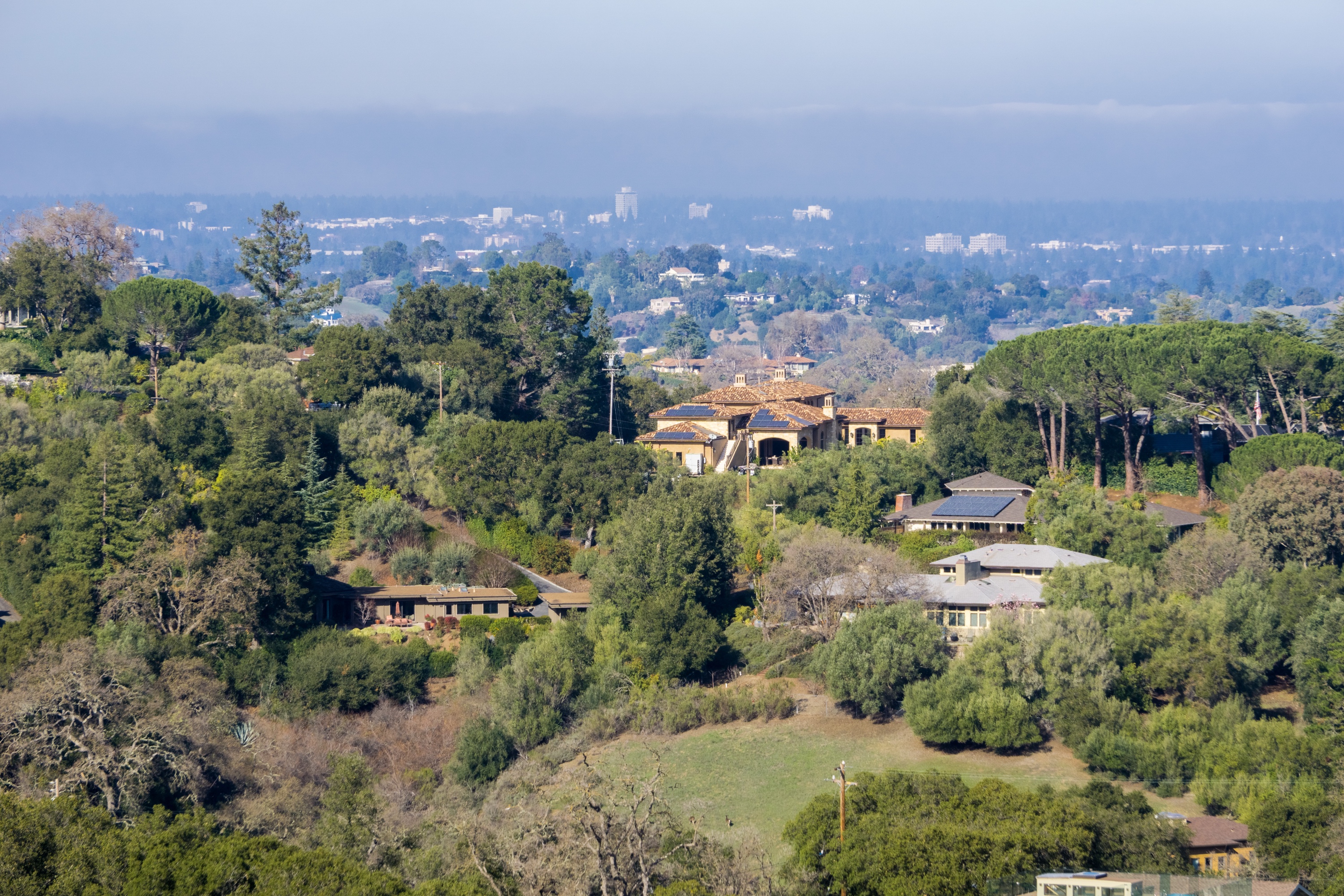
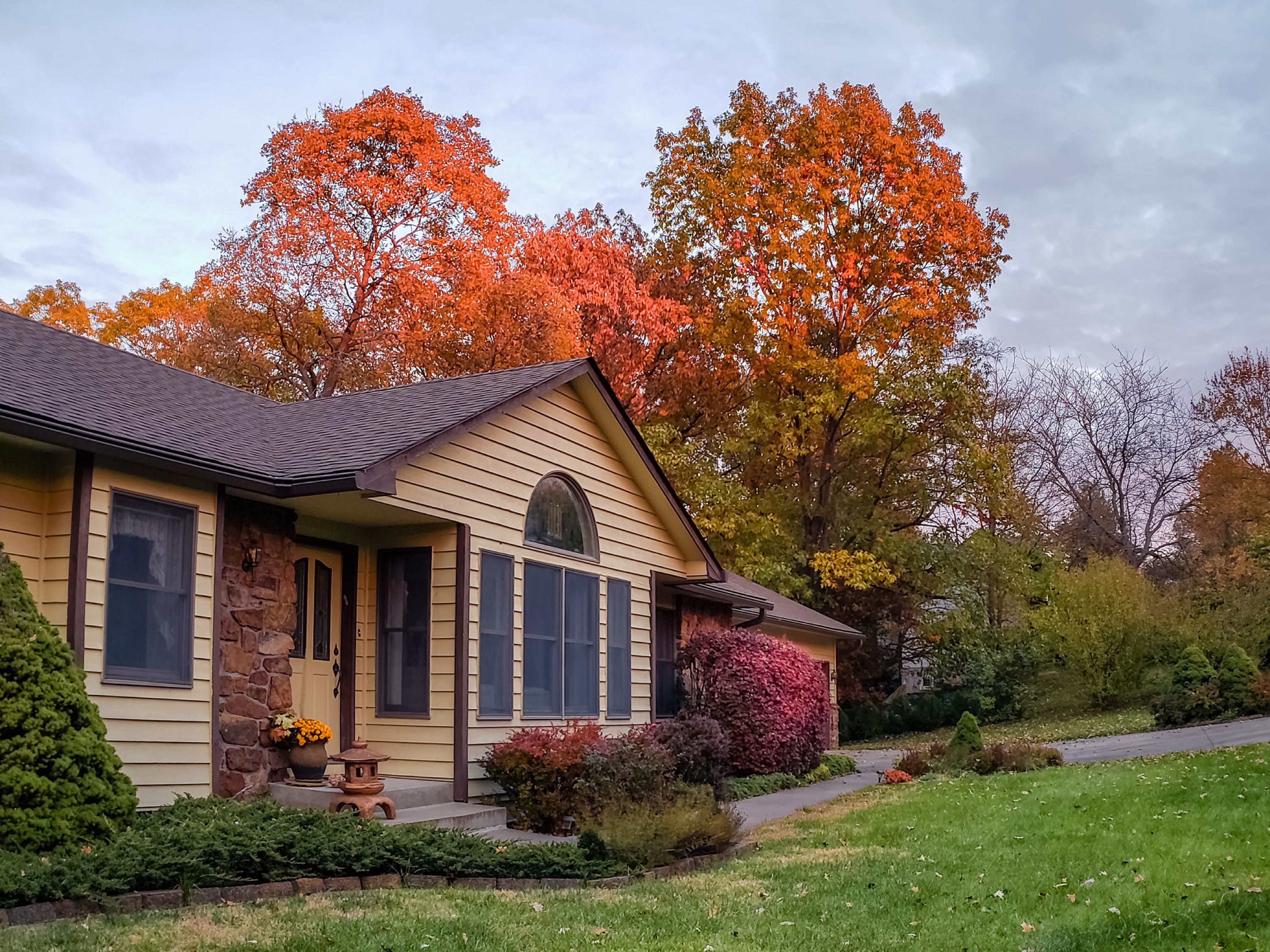
Palo Alto’s residential fabric — tree-lined streets, deep parcels, the same families across decades.
What Palo Alto Actually Costs in 2026
2026 Palo Alto Price Tiers (Single-Family)
$2.5M–$4M — Entry single-family. Midtown, Barron Park, smaller Old Palo Alto teardowns. Often older homes, original kitchens, value priced into the lot. $4M–$7M — Move-in family homes. Renovated Midtown, smaller Crescent Park, well-maintained Professorville bungalows. $7M–$12M — The luxury family tier. Larger Old Palo Alto, premium Crescent Park, new builds and major renovations. $12M–$25M+ — The estate tier. Old Palo Alto trophy homes, deep parcels, premium architecture, significant land. The market for founders, partners, and senior executives.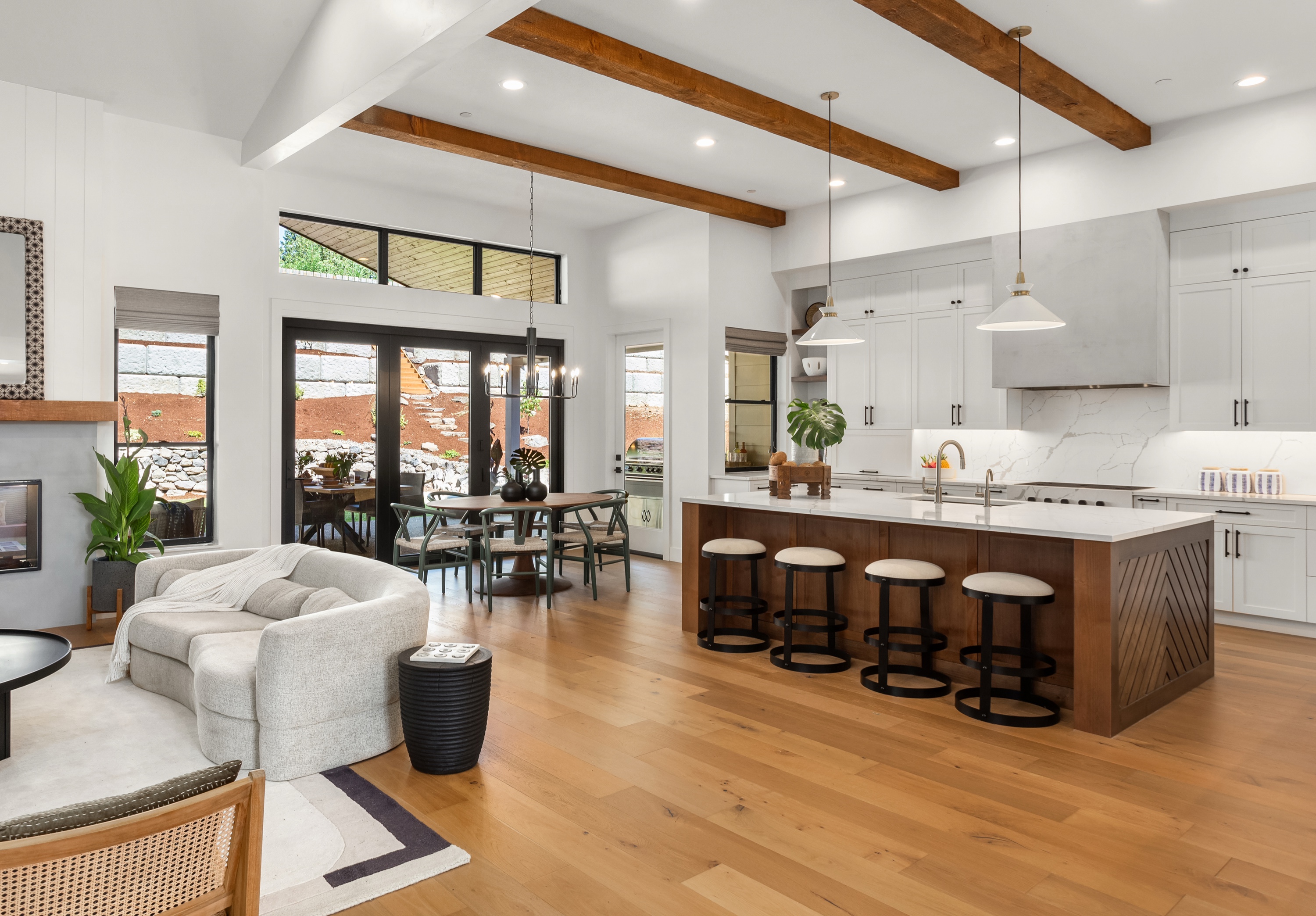
What $4M+ buys in 2026: open-concept living, professional-grade kitchen, indoor-outdoor flow.
Median sale price in Palo Alto held above $4M through Q1 2026, with the top 10% of transactions clearing $9M consistently. Days on market for well-prepared, properly priced homes remain in the single digits. Overbids of 15–25% are common in the entry tier; the luxury tier is more often a quiet single-offer transaction at or above asking.
What This Means If You’re Selling
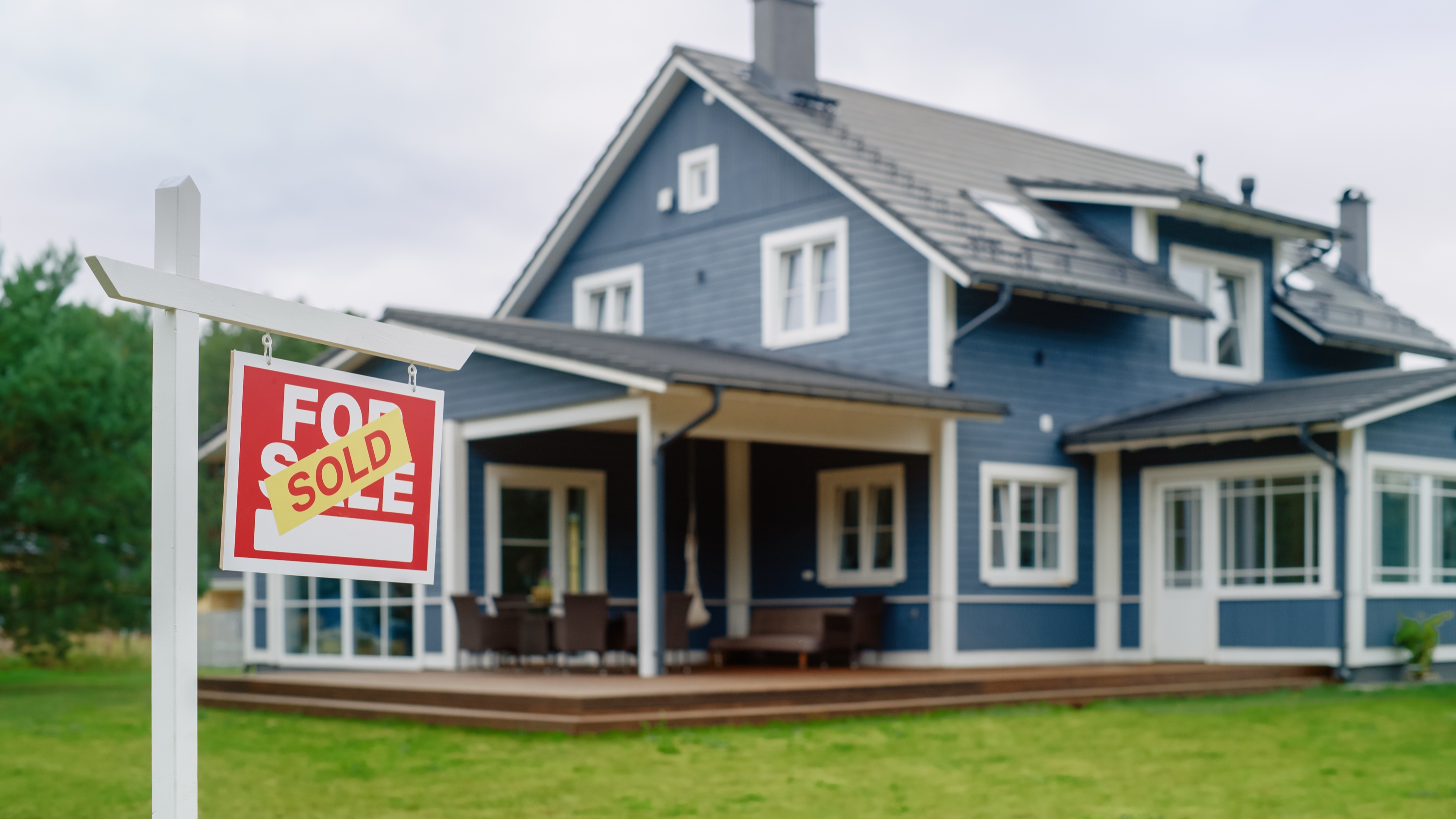
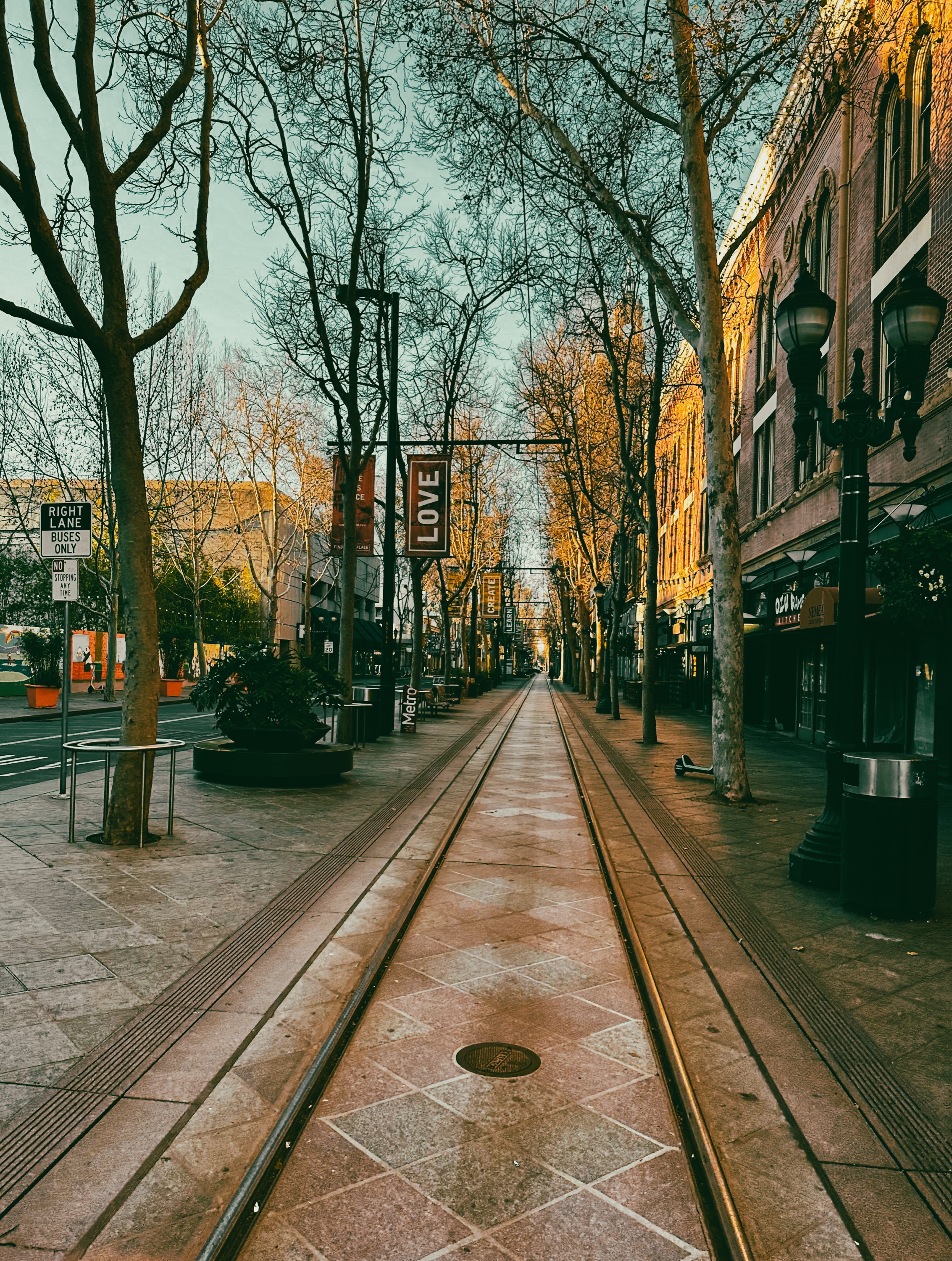
The Palo Alto market consistently rewards thoughtful preparation — properly prepared listings move in single digits.
If you’ve owned a Palo Alto home for more than a decade, you are sitting on a number you almost certainly underestimate. I see this constantly — sellers who think their 1960 ranch in Midtown is worth $2.8M, and the actual number after thoughtful preparation is $3.6M. The gap between “list it as-is” and “list it after a $40K refresh and proper marketing” is routinely $500K to $1M in this market. The Palo Alto buyer pool is sophisticated and fully expects a turn-key product or a clear teardown story; anything in between leaves money on the table.
For long-time Palo Alto homeowners considering a move, the equity is real and the timing is sound. Inventory is tight, demand from incoming tech executives and Stanford-anchored buyers is structural, and pricing held through the spring without softening. If you’ve been waiting for the “right” moment, the second quarter of 2026 is one of the strongest sale environments in recent memory.
What This Means If You’re Buying

Winning a Palo Alto offer is about preparation: full underwriting, flexible terms, and an agent who knows the listing side personally.
Palo Alto rewards preparation. Every offer I’ve placed for a buyer in this market over the past two years has been against three to seven competing offers. The buyers who win are the ones who arrive with: full underwriting completed, a 7-day or no-contingency offer ready to draft, fluency in disclosure packages and pre-inspections, and an agent who knows the listing agent personally enough to get an honest read on what the seller cares about. The buyers who lose are the ones still gathering documents.
The good news: every neighborhood within Palo Alto has its own competitive dynamic. Crescent Park trophy properties are quiet, often-pocket transactions. Midtown family homes attract waves of identical young-tech buyers. Old Palo Alto luxury is its own world entirely. Picking the right neighborhood for your life and your number changes the entire competitive equation.
Frequently Asked Questions
Is Palo Alto worth the premium over Mountain View or Menlo Park?
For school-age kids, almost always yes — the PAUSD assignment alone is typically worth $500K to $1M of the price difference. For DINK buyers, empty nesters, or remote workers, the answer is more nuanced. Mountain View, Los Altos, and Menlo Park each offer specific advantages worth considering.
Can I still get a single-family home under $3M in Palo Alto?
Yes, but the inventory is thin and competitive. Look at Midtown, Barron Park, and the smaller Old Palo Alto teardowns. Expect to be one of multiple offers and to win on terms, not just price.
How much over asking should I expect to pay?
Entry tier ($2.5M–$4M): 10–25% over. Mid tier ($4M–$7M): 5–15% over. Luxury tier ($7M+): asking or just above; the market is too small for systematic overbids. The price point matters more than any general rule.
How long does a sale actually take?
For a properly prepared listing, the process from listing day to accepted offer is typically 7 to 14 days, with closing 21 to 30 days after that. Off-market sales can be faster. Poorly prepared listings can sit indefinitely — this market punishes the lazy approach.
What about Palo Alto condos?
The condo market in Palo Alto is its own segment, more sensitive to interest rates and HOA structure than the SFH market. Two-bed downtown condos typically trade $1.2M to $2M, with high-end new construction reaching $3M+. The buyer pool is narrower — primarily empty nesters and senior tech employees — so timing and presentation matter even more.
Thinking About Palo Alto?
Whether you’re considering selling a long-held home, relocating into Silicon Valley, or just want an honest read on what your house is worth in today’s market, I’d love to help. Free consultation, no pressure — Silicon Valley native, top 1% nationally, Coldwell Banker Global Luxury, consistently averaging over $2M per transaction across the Valley’s most competitive markets.
Schedule Your Palo Alto ConsultationCategories
Recent Posts