
Mountain View Real Estate: Living Next Door to Google Without the Palo Alto Price Tag
Mountain View Real Estate: Living Next Door to Google Without the Palo Alto Price Tag
Walkable downtown, Caltrain on Castro Street, top-tier schools, and homes that — for now — still cost meaningfully less than the Palo Alto zip code across the creek. Here’s the full 2026 picture of Mountain View.
Of all the cities in Silicon Valley, Mountain View is the one I find myself recommending most often to a specific kind of buyer: the senior engineer, product manager, or founder who works at one of the Googleplex properties, wants a genuine neighborhood lifestyle, has school-age kids (or will), and can’t quite stomach paying another $800K for the Palo Alto version of the same house. For that buyer profile, Mountain View in 2026 is one of the best values in the entire Silicon Valley footprint.
I’m Brad Bell, a Silicon Valley native and top 1% real estate agent nationally with Coldwell Banker Global Luxury. I’ve helped buyers and sellers in every corner of Mountain View — old Mountain View, the Shoreline West neighborhoods, the Waverly Park area, North Whisman, and the tightly held pockets near St. Francis Acres and Monta Loma. Here’s what you actually need to know about Mountain View real estate in 2026.
What Mountain View Actually Costs
Single-family homes in Mountain View span a wider price band than most outsiders realize. Here’s the honest picture by neighborhood type:
Entry Single-Family: $1.7M–$2.3M
Monta Loma, parts of North Whisman, some Rex Manor streets. Typically 3BR/2BA homes between 1,200 and 1,600 sq ft. Solid starter territory for tech families, excellent schools via transfer programs.
Mid-Tier Established: $2.4M–$3.2M
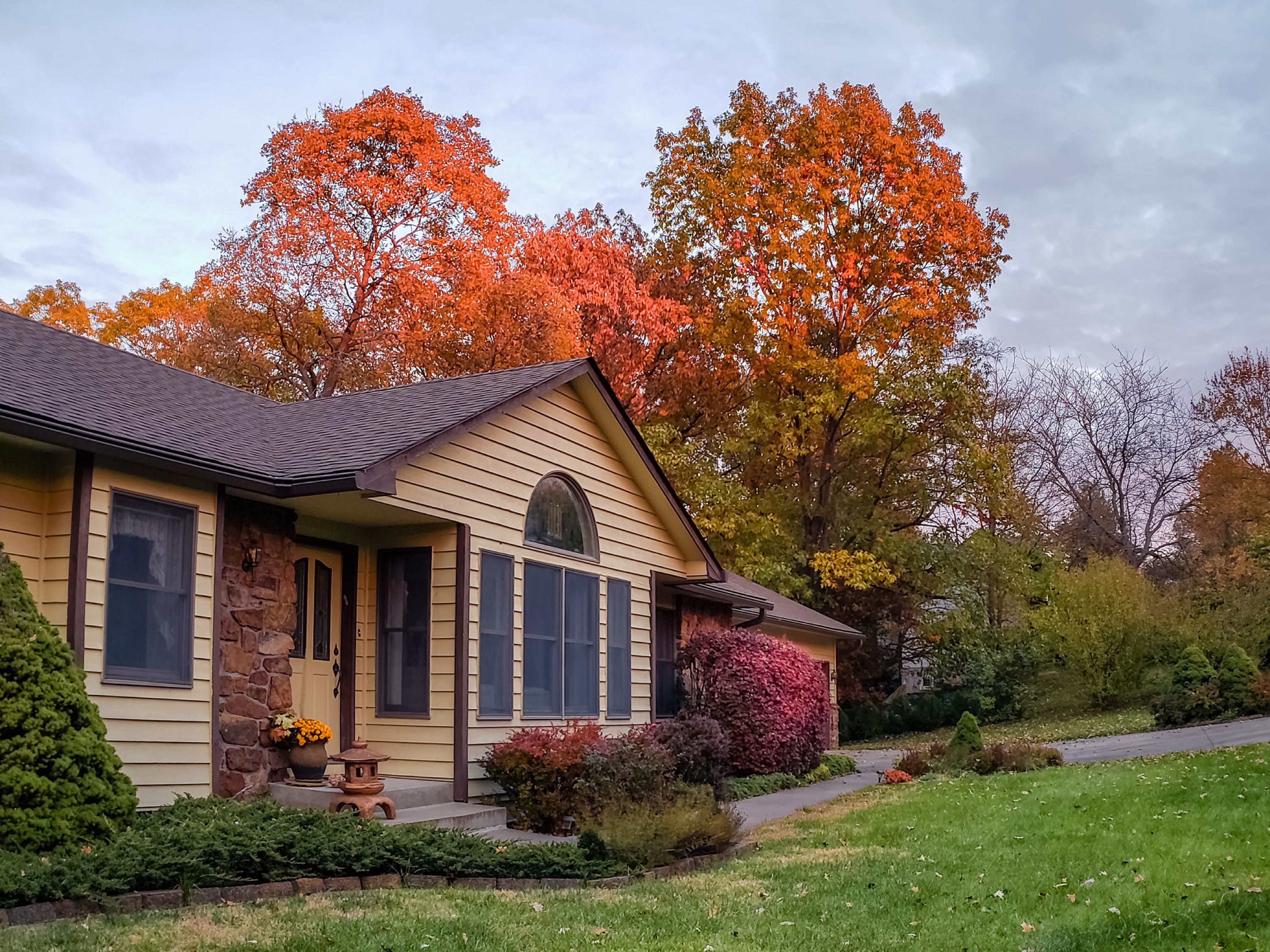
Waverly Park, old Mountain View, Cuesta Park. 3–4BR homes, 1,600–2,200 sq ft, mature landscaping, walkable to Castro or Rengstorff shopping. This is the bread-and-butter Mountain View buyer profile.
Premium Mountain View: $3.3M–$4.5M
St. Francis Acres, the newer Sylvan/Dale area, and fully renovated Cuesta Park homes. 4–5BR, 2,500+ sq ft, premium finishes, excellent school assignments. This is where most of my tech-executive buyers end up.
Luxury Tier: $4.5M–$6.5M+
New-construction modern homes and custom remodels on larger St. Francis Acres or old Mountain View lots. Rare, typically 1–3 transactions per year at this level, and often pre-market.
The Google Commute Factor — Real vs. Imagined
Everyone talks about the "Google proximity premium" for Mountain View. Let me be more precise about what that actually means in 2026.
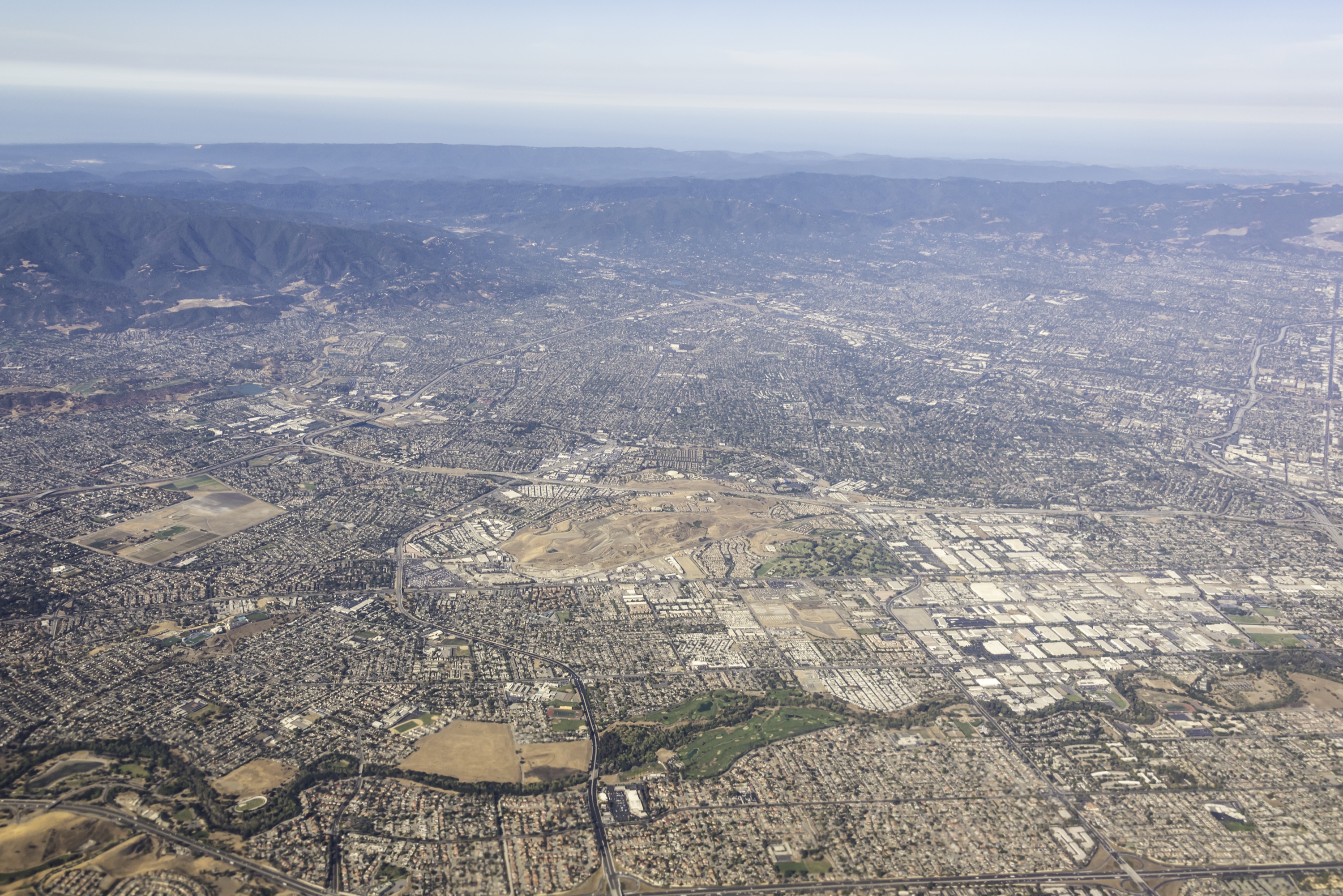
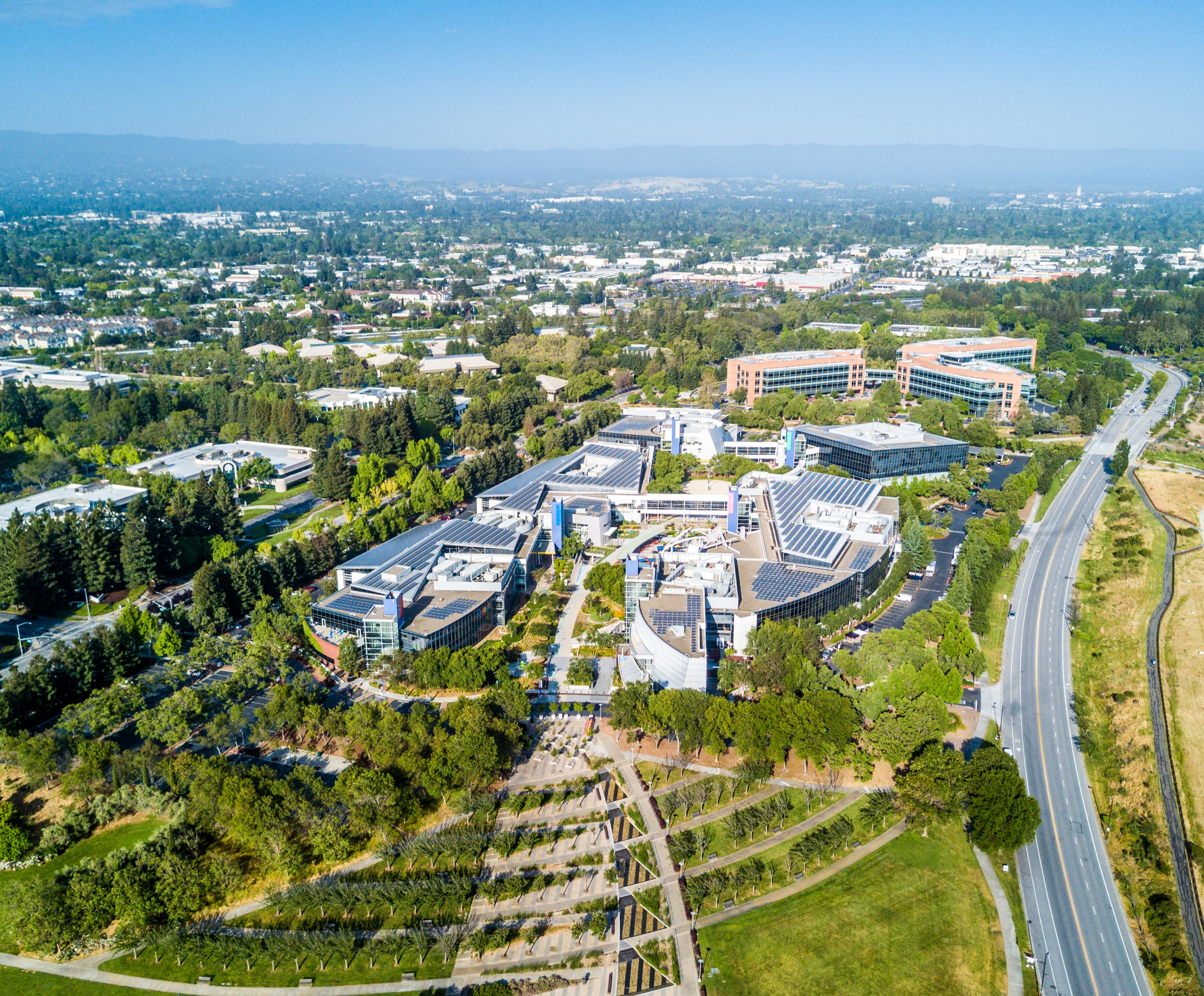
Google’s main Mountain View footprint — the original Googleplex campus on Amphitheatre Parkway, the newer Charleston East campus, and the Bay View campus — is concentrated in the northeastern quadrant of the city. If you live in Waverly Park, St. Francis Acres, old Mountain View, or the Shoreline-adjacent neighborhoods, you can reasonably bike or drive to campus in 10–15 minutes. From Cuesta Park or Sylvan, it’s more like 15–20 minutes by car. From the southern edges of Mountain View (near El Camino), it’s 20–25 minutes in traffic.
For the Google hybrid employee who’s on campus three days a week, Mountain View’s lifestyle and ease-of-access advantages over Palo Alto, Sunnyvale, or Los Altos are real and meaningful. For the fully-remote employee, the calculus is different — and a buyer in that situation should also be looking seriously at Campbell, Los Gatos, or even Saratoga where you get more house for the same dollar.
Mountain View vs. Palo Alto: The Honest Comparison
Here’s the question I answer several times per week: "Should we stretch for Palo Alto, or is Mountain View the smarter play?" The truthful answer depends on three factors:
How to Choose Between Mountain View and Palo Alto
Budget tolerance. A comparable 4BR/3BA, 2,200 sq ft home in Palo Alto typically lists 30–45% higher than its Mountain View equivalent. On a mid-tier home that’s a real $800K–$1.2M difference. If that stretch genuinely impacts your financial security, Mountain View is the smarter play.
School district preferences. Palo Alto Unified is widely regarded as exceptional, but Mountain View-Los Altos Union High School District is genuinely excellent — and many Mountain View elementaries (Bubb, Huff, Landels) are top-rated. Don’t over-index on brand names without comparing actual school scores for your specific address.
Urban vs. suburban feel. Mountain View’s Castro Street district has more density, more restaurants per block, and more walkable energy than most Palo Alto neighborhoods. If you want "suburban with more buzz," Mountain View wins. If you want quiet, treed, estate-feel streets, Palo Alto still edges out.
Downtown Mountain View: The Castro Street Advantage
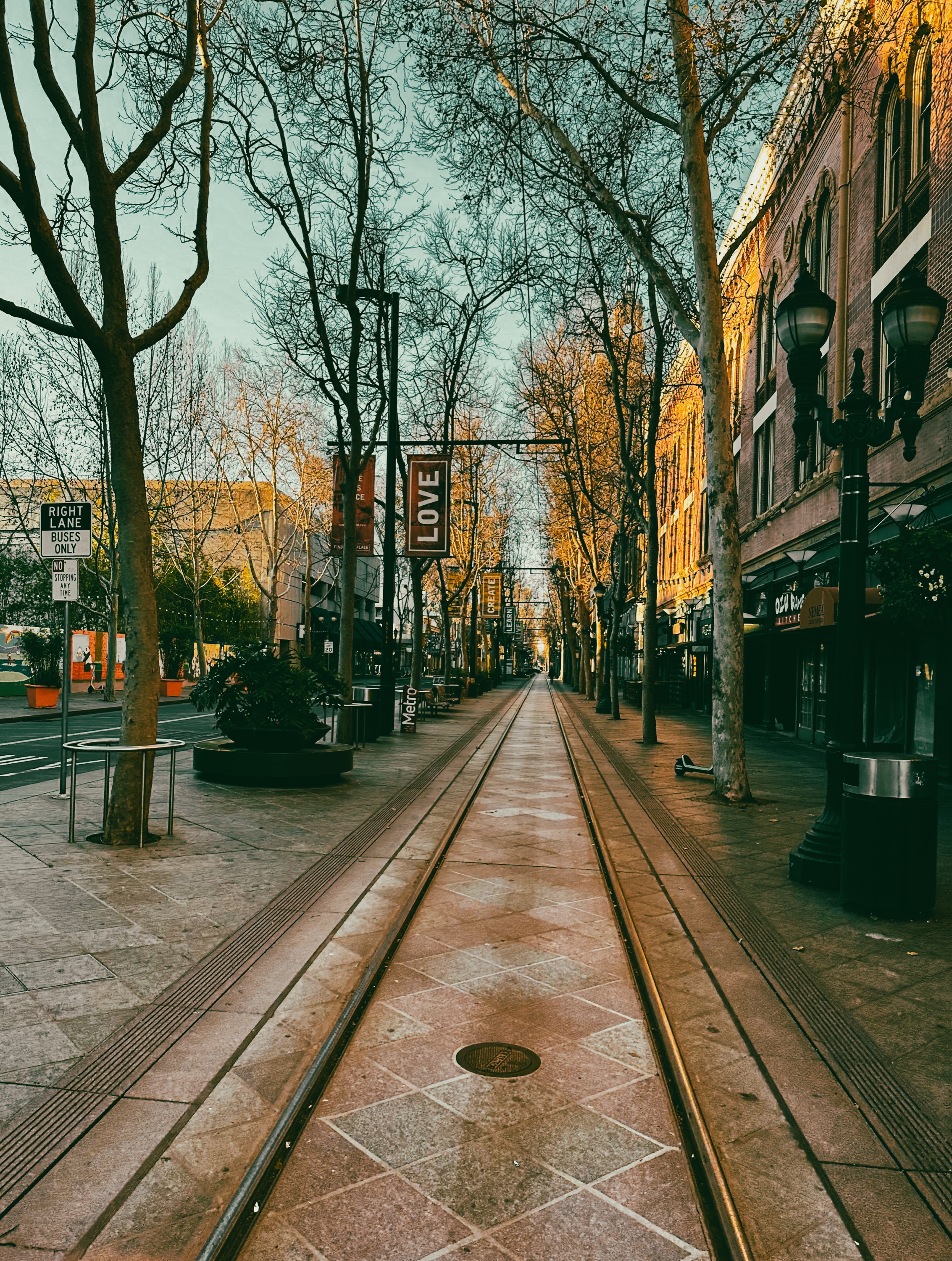
One reason Mountain View keeps its appeal even as tech employers diversify is downtown Castro Street. It’s walkable, densely packed with restaurants, has a farmers market that legitimately rivals Los Altos and Los Gatos, and sits directly on the Caltrain line. For anyone who’s commuted to San Francisco or used Caltrain to get between tech campuses, Castro Street is a serious lifestyle amenity.
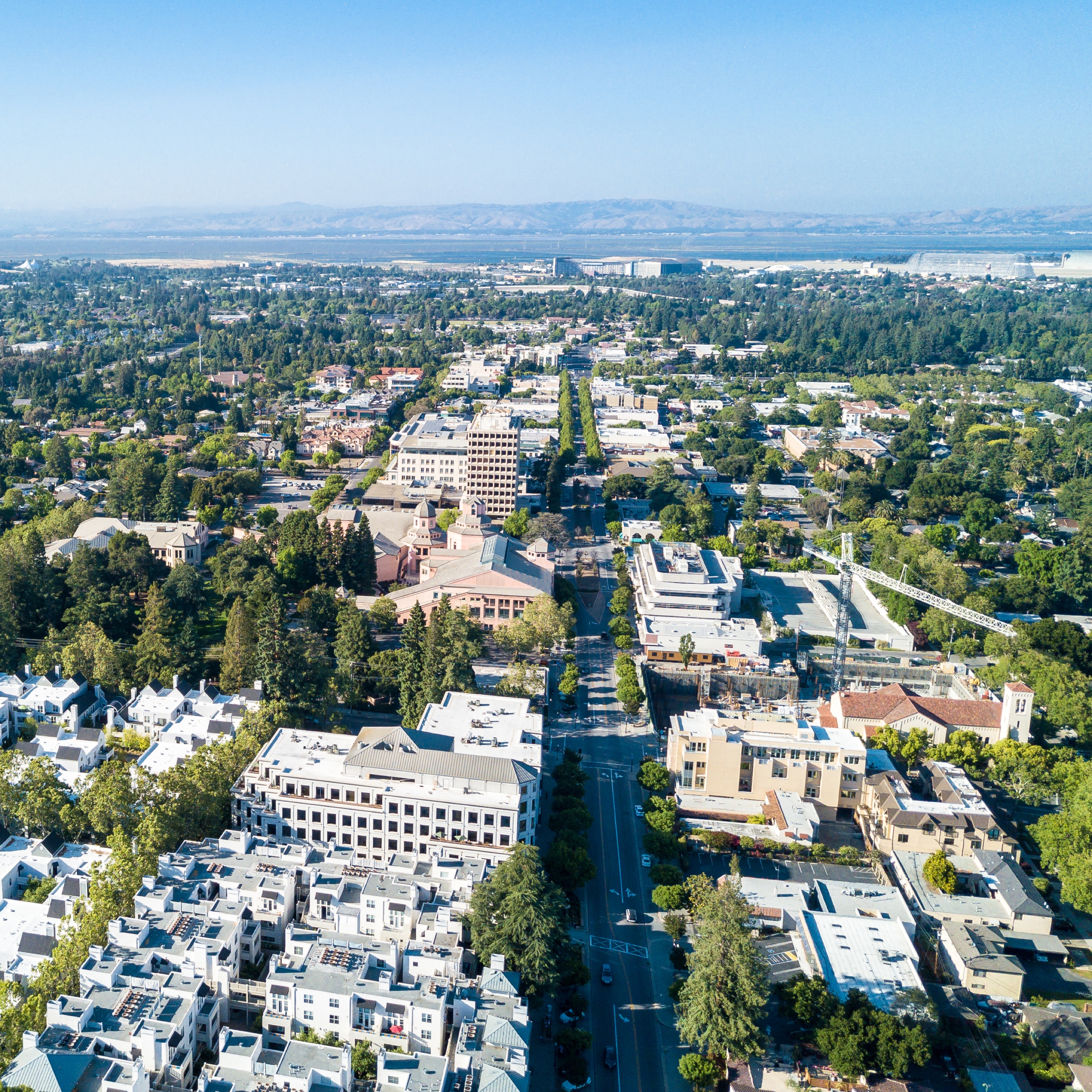
From the Caltrain station, you can be in San Francisco in 45 minutes or San Jose in 35. That’s genuinely rare in Silicon Valley residential — most cities have token transit options. Mountain View actually works without a second car.
Three Neighborhoods Worth Knowing
Waverly Park
Quiet, leafy, mid-century single-family. Classic "Mountain View family neighborhood." Home to some of the city’s best elementary schools and some of its most stable long-term owners. Typical price: $2.6M–$3.3M for a well-kept 3BR/2BA.
St. Francis Acres
Larger lots, more architectural variety, a favorite of tech executives and long-tenure Google employees. Several new-construction modern homes have hit recently. Typical price: $3.5M–$5.5M.
Old Mountain View
The downtown-adjacent pocket with the most walkability in the city. Craftsman bungalows and renovated Victorians dominate. Typical price: $2.3M–$3.4M for a detached home, with some condo options in the $1.3M–$1.9M range.
What Sells Fast in Mountain View
Across Mountain View, the homes that hit offer deadlines with multiple bids share a few traits: a well-regarded school assignment, a walkable or Caltrain-accessible location, a modern kitchen and primary bath, and a usable backyard. Anything missing one of those elements typically sees a longer market time. Anything hitting all four — especially at $2.4M–$3.2M — is still selling at 105–112% over ask in 2026.
Frequently Asked Questions
Which Mountain View schools should I prioritize?
Bubb, Huff, and Landels Elementary consistently rank in the top tier. Crittenden and Graham middle schools are solid. The high schools feed into Mountain View High and Los Altos High — both excellent.
Is Mountain View still appreciating faster than Palo Alto?
Mountain View price appreciation has slightly outpaced Palo Alto’s over the last 3 years, largely because it started from a lower base. The gap between the two cities has narrowed, but Palo Alto is still meaningfully more expensive for comparable property.
What about the 101 noise and traffic?
Neighborhoods east of Rengstorff get some freeway ambient noise; west-of-freeway areas are quiet. Stevens Creek Trail and Shoreline Park buffer a lot of it. Drive the neighborhood at rush hour and on a weekend morning before making a decision.
Is new construction an option in Mountain View?
Yes, but limited. A handful of custom modern builds hit the market each year, typically in St. Francis Acres, old Mountain View, and along Middlefield. Prices for 4BR+ new construction start around $4.2M and move up quickly.
See Current Mountain View Listings
From walkable Castro Street condos to Waverly Park family homes and St. Francis Acres executive properties, browse every active Mountain View listing on my Silicon Valley-native search.
Explore Mountain View HomesCategories
Recent Posts