
The 11-Day Sale: How Top Silicon Valley Agents Get Homes Sold in Under Two Weeks

The 11-Day Sale: How Top Silicon Valley Agents Get Homes Sold in Under Two Weeks
In a market where the average Silicon Valley home sells in 11 days, everything is won or lost in the week BEFORE your home hits the MLS. Here’s the exact playbook I run on every listing from Cupertino to Los Gatos to Palo Alto.
Silicon Valley is not a normal real estate market. A well-prepared, strategically-priced Cupertino or Palo Alto home in 2026 regularly goes from “listed” to “in escrow” in under two weeks — often in 7 to 11 days — at 105–112% over the list price. The homes that take 30, 60, or 90 days to sell are not unlucky. They are, almost without exception, homes where the pre-listing work was skipped, the pricing was wrong, or the offer deadline was mishandled.
I’m Brad Bell, a Silicon Valley native and top 1% real estate agent nationally with Coldwell Banker Global Luxury. I’ve been running this compressed 7-to-11-day sale model for years across Cupertino, Los Gatos, Saratoga, Palo Alto, Los Altos, Mountain View, Sunnyvale, Santa Clara, and San Jose. Here is exactly how it works, step by step, and what you need to do in the two weeks before your home goes live to give yourself the best shot at a fast sale at top dollar.
Why 11 Days Matters (and What Happens When You Miss It)
The first 11 days on market is not just a statistic — it’s a psychology window. Every serious buyer in your price range, their agent, and the local investor pool sees your home as “fresh” during that window. The property is above the fold on Zillow, on the Lofty hot sheet, in Brad’s own weekly buyer email blasts, and on the tip of every agent’s tongue when a client asks “what’s new?”
Miss that window — whether because the home showed poorly, was priced too high, or was released before photos were ready — and the narrative quietly shifts. Buyers start asking “what’s wrong with it?” Agents stop leading with it. Days-on-market starts dragging the final sale price down. In a Silicon Valley market this strong, a 30+ day listing almost always sells for less than an identical 11-day listing — often 3 to 7 percent less. On a $3M Cupertino home, that’s $90,000 to $210,000 left on the table for what is almost always a fixable problem.
The Pre-Listing Playbook: What to Do in the 10 Days Before MLS
Everything that matters happens before the listing goes live. Here’s what a professional Silicon Valley pre-listing process looks like:
Pre-Inspection + Seller’s Disclosure Package
Full property, pest, and (where relevant) roof and sewer lateral inspections completed and bundled into a Disclosures.io package buyers can download BEFORE making offers. This alone shaves days off every offer negotiation.
Professional Staging (Not Just Tidying)
Full furniture staging by a luxury Silicon Valley stager on every listing over $1.5M. Empty rooms shoot badly and show worse. The $4K–$8K stage cost returns $50K–$150K in offer strength every time.
Luxury Media Package
HDR photography, 4K drone, Matterport 3D tour, floor plans, and luxury walk-through video — all shot in one day, delivered within 48 hours. Buyers make emotional shortlists from the photos, not from the walkthrough.
Pre-MLS Buyer List Preview
I preview every listing 48–72 hours early to my buyer list, the top 8,000+ agents in my regional network, and a vetted investor circle. Several of my fastest sales have been pre-market offers accepted before the home ever hit the MLS.
Staging Matters More Than You Think
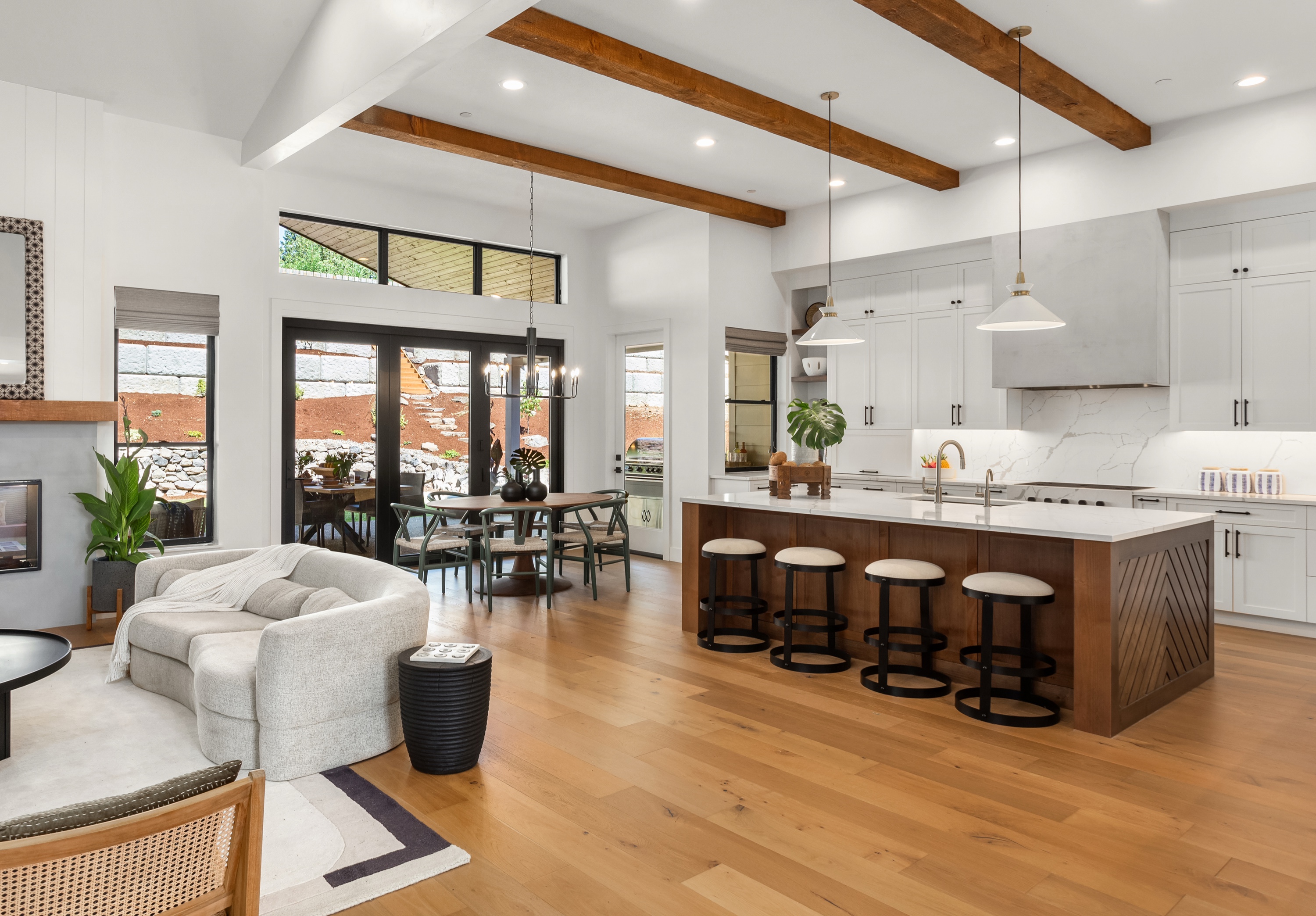
Even in 2026, with AI-assisted virtual tours and buyers who are more sophisticated than ever, physical staging still wins. A properly-staged Silicon Valley home photographs brighter, feels larger, and closes the gap between “great house” and “dream home” for buyers walking through at their one-and-only Saturday open house. The single most common seller regret I hear — and I’ve heard it hundreds of times — is “I wish we had staged.” I’ve never heard the reverse.
Strategic Pricing: The Most Misunderstood Lever
Pricing a Silicon Valley home is not about finding the number you’d be “happy” with. It’s about setting a number that creates competition. In a hot Silicon Valley sub-market — which is most of our market most of the time — the right list price is deliberately positioned at or slightly below the realistic market value to drive multiple offers and push the final sale 5 to 12 percent above ask.
The Overpricing Trap — Why “We Can Always Reduce” is the Worst Plan
Problem 1: You lose the first-11-days psychology window. By the time you reduce, the buyers who would have paid top dollar have moved on or are negotiating from a weakened position.
Problem 2: You lose the multiple-offer dynamic. An overpriced home almost never generates competing bids. Without competition, the price goes DOWN, not up.
Problem 3: You create price-history baggage. Every buyer’s agent pulls the history. A home that was listed at $3.6M, reduced to $3.3M, reduced to $3.1M tells a story of weakness that an identically-priced $3.1M first-listing does not.
The counter-intuitive truth: listing slightly below comparable market value is almost always the fastest path to a price ABOVE comparable market value. Competition is the lever. Price is the trigger.
The Thursday-to-Tuesday Offer Cycle
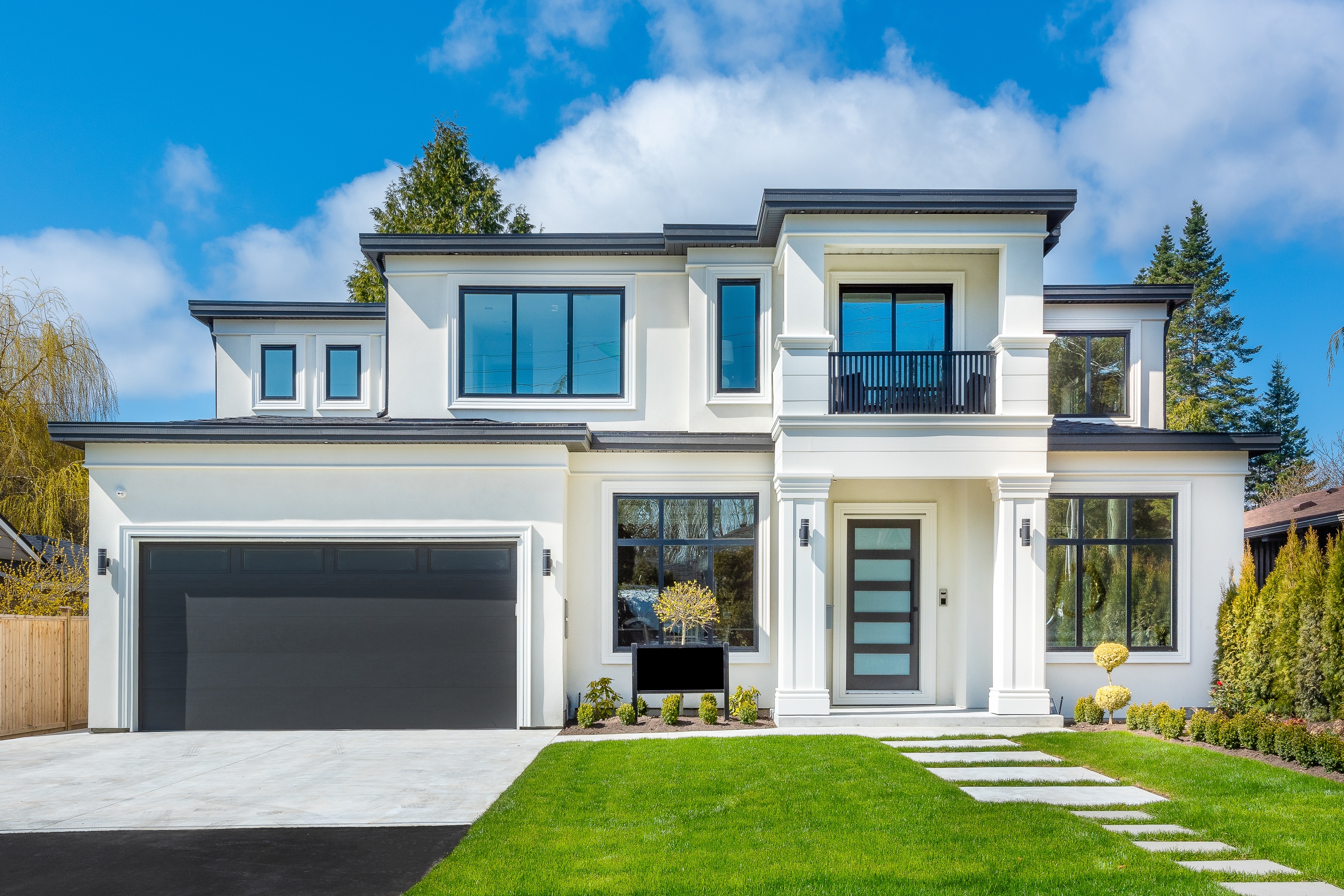
Here’s the exact cadence I run on the majority of my Silicon Valley listings. The day count assumes a Thursday MLS launch:
Thursday: MLS Go-Live + Full Marketing Push
Listing hits MLS, Zillow, Redfin, homes.com, and bradbellrealty.com simultaneously. Instagram carousel, LinkedIn post, Facebook business post, and 8,000+ agent email blast go out within the hour. Listing Concierge Luxe direct-mail package ships to the surrounding 500-home radius.
Thursday Evening: Twilight Open House for Agents + VIP Buyers
Not every listing does this, but for luxury properties ($3M+) I often host a Thursday twilight preview for top Silicon Valley agents and vetted VIP buyers before the weekend crowds arrive. This is where pre-market offers often surface.
Saturday and Sunday: Public Open Houses (11 a.m.–4 p.m.)
Both weekend days. I personally work the listing, ask qualifying questions, collect every visitor’s agent contact, and track which rooms each buyer lingers in. This intelligence goes directly into Monday’s seller strategy call.
Monday Morning: Interest Analysis + Seller Strategy Call
I walk sellers through every showing, every second-showing request, every buyer’s-agent inquiry, and every disclosure package download. Based on real demand signals — not guesswork — we decide: set an offer deadline, or extend to a second weekend.
Tuesday by 2 p.m.: Offer Deadline
When interest is strong (which it usually is on a well-prepared listing), we call offers in by Tuesday at 2 p.m. The deadline creates urgency, forces buyers to put their best foot forward, and consolidates all negotiation into a single focused evening.
Tuesday Evening: Review Offers and Accept
We review every offer together: price, contingencies, financing strength, close timeline, rent-back needs, appraisal gap language. On strong listings I frequently counter the top 2–3 offers for highest-and-best and have an accepted contract the same evening. Day 6 or 7 of a Thursday MLS launch. That’s an 11-day sale with full contingency removal baked in.
Before & After: Two Silicon Valley Case Studies
Case 1 — Cupertino, 4BR/2BA, 1,800 sq ft. Original seller’s first agent listed at $3,200,000 with iPhone photos and no staging. Twenty-eight days on market, one underwhelming offer at $2,890,000. Sellers withdrew, hired me, re-staged, re-shot, pre-inspected, and relaunched at $2,988,888. Six offers on Tuesday. Accepted $3,355,000. Same house. Same market. The difference was preparation and pricing strategy.
Case 2 — Los Gatos, 5BR/3BA, 2,900 sq ft. Seller asked “why not just list at $3.5M and see what happens?” My counsel: we’d get 2–3 lowball offers and sit on market. Listed at $3,195,000 following the playbook. Offer deadline Tuesday, 8 offers, accepted at $3,550,000 — $355,000 over list and $50,000 over the “aspirational” price the seller originally wanted. Eleven-day close to contract.
Frequently Asked Questions
Does this 11-day model work in a slower market or a higher price bracket?
The mechanics are the same at $1.5M or at $8M. What changes is the offer-deadline timing and the buyer-pool size. On an $8M Atherton or Los Altos Hills home I typically run a 21-day cycle rather than 11, because the buyer pool is smaller and more deliberate. The preparation discipline is identical.
What if I don’t want to stage? Can we just declutter?
For a single-family Silicon Valley home above $1.5M, declutter-only almost always costs more in offer strength than it saves in staging fees. The one exception: a recently renovated home with beautiful modern furniture already in place. In that case, we often enhance rather than stage.
What if only one buyer shows interest during the first weekend?
That’s exactly what Monday’s interest-analysis call is for. We don’t force an offer deadline that will fail. Depending on the signal, we either extend open houses a second weekend, tighten the marketing, or have a candid conversation about pricing. The worst move is setting a deadline and having no offers come in — that materially weakens the listing.
How much does the pre-listing package cost?
Professional staging, HDR photography, 4K drone, Matterport 3D tour, floor plans, and luxury walk-through video together typically run $7,000–$12,000 for a Silicon Valley luxury home. On my listings, most of that is bundled into the Coldwell Banker Global Luxury Listing Concierge package at no out-of-pocket to the seller until closing.
Ready to Get Your Silicon Valley Home Sold in Under Two Weeks?
I’ll walk your property, build a custom pre-listing game plan, and map the exact offer-deadline cycle we’d run — before you commit to anything. It’s how the top 1% of Silicon Valley agents win, and it costs you nothing to find out if it’s right for your home.
Book My Free Pre-Listing Game PlanCategories
Recent Posts