
Silicon Valley Investors: How to Find and Flip Distressed Properties Before They Hit the MLS
Silicon Valley Investors: How to Find and Flip Distressed Properties Before They Hit the MLS
Master the pre-MLS market, identify off-market deals, and execute profitable flips in Silicon Valley’s competitive landscape.
The most profitable real estate deals in Silicon Valley never hit the MLS. They’re discovered months earlier, analyzed carefully, and executed by investors who know exactly where to look. As a top 1% realtor and Coldwell Banker International President’s Award recipient specializing in investor clients, I’ve built my reputation on helping sophisticated investors identify distressed properties before the competition even knows they exist.
If you’re looking to scale your flipping business in the Bay Area, this guide reveals the exact strategies I use to source deals, evaluate profit potential, and execute transactions that generate substantial returns in one of America’s most expensive markets.
Why Distressed Properties Matter to Silicon Valley Investors
Silicon Valley real estate is priced for perfection. When a property needs work—structural repairs, outdated systems, cosmetic renovation—it’s often overlooked by owner-occupants who are frightened by the costs. For investors with renovation expertise and capital, these properties represent massive profit opportunities.
A distressed property in Cupertino, Los Gatos, or Santa Clara that an owner-occupant would pass on might appreciate $400K–$600K+ after professional renovation. In our market, where median home prices exceed $2M, even a 15–20% value-add through renovation translates into six-figure profits.

Strategic property renovation increases value and attracts quality buyers in the Bay Area market.
The Four Channels for Finding Off-Market Deals
Pre-Foreclosure & Probate Court Monitoring
Santa Clara County Superior Court publishes foreclosure notices and probate filings publicly. Monitoring these documents gives you 60–90 days to approach distressed owners before their properties hit the market. Probate properties, in particular, often need significant work and motivated executors who want to close quickly. Direct mail to probate executors (found through court records) generates 3–5% response rates and frequently leads to below-market deals.
Absentee Owner Direct Mail Campaigns
Identify owners who live out-of-state or out-of-county (property records are public). These investors often inherited Bay Area rental properties or own them as passive investments and are motivated to sell quickly. Targeted mail campaigns to absentee owners generate 2–4% response rates. Even better: owners who don’t live in the area are often willing to negotiate faster and accept lower offers for convenience.
Off-Market Investor Networks
As a top 1% realtor with deep Silicon Valley connections, I maintain a network of wholesalers, estate planners, property managers, and mortgage brokers who source deals before they reach the public market. These professionals control access to distressed inventory and frequently partner with qualified investors. Joining verified investor groups and building relationships with wholesalers is essential for consistent deal flow.
Tax Delinquency & Code Violation Searches
Santa Clara County publishes tax delinquency lists quarterly. Properties with code violations, unpaid property taxes, or permits in default are often distressed and owner-motivated. These properties are publicly searchable and represent legitimate sourcing opportunities for serious investors.
Evaluating Distressed Properties: The Brad Bell Investment Framework

Data-driven analysis separates profitable deals from money-losing mistakes.
Finding a distressed property is only the first step. Analyzing it correctly determines whether you make six figures or lose your shirt. Here’s the framework I use with investor clients:
After-Repair Value (ARV)
Identify 3–5 recent comparable sales in the same neighborhood. Don’t use list prices; use ACTUAL SALE PRICES. In a $1.5M Cupertino neighborhood, the difference between $1.49M and $1.52M can be $30K–$50K in profit. Accurate ARV is everything.
Repair Cost Accuracy
Underestimating repairs kills deals. Walk the property with a contractor, get written estimates on all major systems (roof, HVAC, plumbing, electrical, foundation). Add 10–15% contingency for surprises. A $250K repair estimate that becomes $320K wipes out most profits.
Holding Costs & Financing
Calculate mortgage payments, property taxes, insurance, utilities, HOA fees (common in Bay Area condos), and sales commissions accurately. A 6-month flip with $2M in construction financing costs approximately $18K–$24K in interest alone. Factor this ruthlessly into your profit projections.
The 70% Rule
A basic framework: Purchase price + repairs + holding costs should equal 70% of ARV. Example: $2.4M property, $300K repairs, $50K holding = $2.75M total investment. If ARV is $3.85M, profit is roughly $1.1M (28% return). If ARV is $3.5M, profit is only $750K (19% return). Do the math first.
Silicon Valley Market Realities for Flippers
The national real estate education industry sometimes misrepresents what’s possible in high-price markets. You won’t find $50K properties to flip in Silicon Valley. Here’s what’s realistic:
Market Expectations (2026)
I’ve worked with multiple investor clients flipping properties in Santa Clara, Sunnyvale, and Campbell. The investors who succeed are those who buy right (30–35% below ARV), control repairs meticulously, and understand that market timing in Silicon Valley depends on buyer sentiment, not just price.
Building Your Investor Buyer List
One of my core strategies is maintaining a database of qualified investor buyers ready to move quickly on off-market deals. If you’re serious about flipping, joining a buyer list gives you immediate exit opportunities and removes the risk of over-renovating for a slow-moving buyer pool.
My investor buyer list includes 20+ active flippers across the Bay Area who want first look at deals before they’re publicly listed. Members receive priority notifications on properties matching their criteria, advance data on comps, and negotiated contracts.
Whether you’re a first-time investor testing the flipping model or a seasoned operator scaling your portfolio, the right partner makes all the difference. I work with my investors to source deals, structure offers, manage timelines, and ensure smooth exits.
Common Mistakes That Cost Investors Money
Mistake #1: Overpaying for “Potential”
Properties that look good on photos but need $400K in structural work are not deals—they’re traps. The most expensive repairs are always hidden (foundation, electrical, plumbing). Buy properties where repairs are obvious and controllable.
Mistake #2: Underestimating the Timeline
Construction delays, city permit delays, and buyer financing issues routinely push flips 2–3 months longer than planned. Every month of delay at 5–6% interest costs $8K–$12K on a $2M flip. Budget conservatively.
Mistake #3: Ignoring the Buyer Pool
A beautifully renovated $3M home in an area where comparable comps sold to owner-occupants at $2.7M is a problem. Know your buyer pool before you renovate. Some Silicon Valley neighborhoods attract investor buyers; others attract owner-occupants. Match your renovation strategy to the market.
Mistake #4: Cutting Corners on Cosmetics
In Silicon Valley, 80% of buyers are making buying decisions based on visual appeal. Cheap finishes, outdated kitchens, or low-quality bathroom fixtures immediately signal to buyers that the property was flipped on a budget. Invest in professional staging and mid-range (not luxury) finishes that appeal broadly.
Your Next Step: Join the Off-Market Investor Network
If you’re ready to access distressed deals before they hit the MLS, now’s the time to get connected. I maintain an active investor buyer list and work directly with flippers, builders, and portfolio investors throughout Silicon Valley. I identify deals that match your criteria, provide market analysis, and manage the transaction from contract to close.
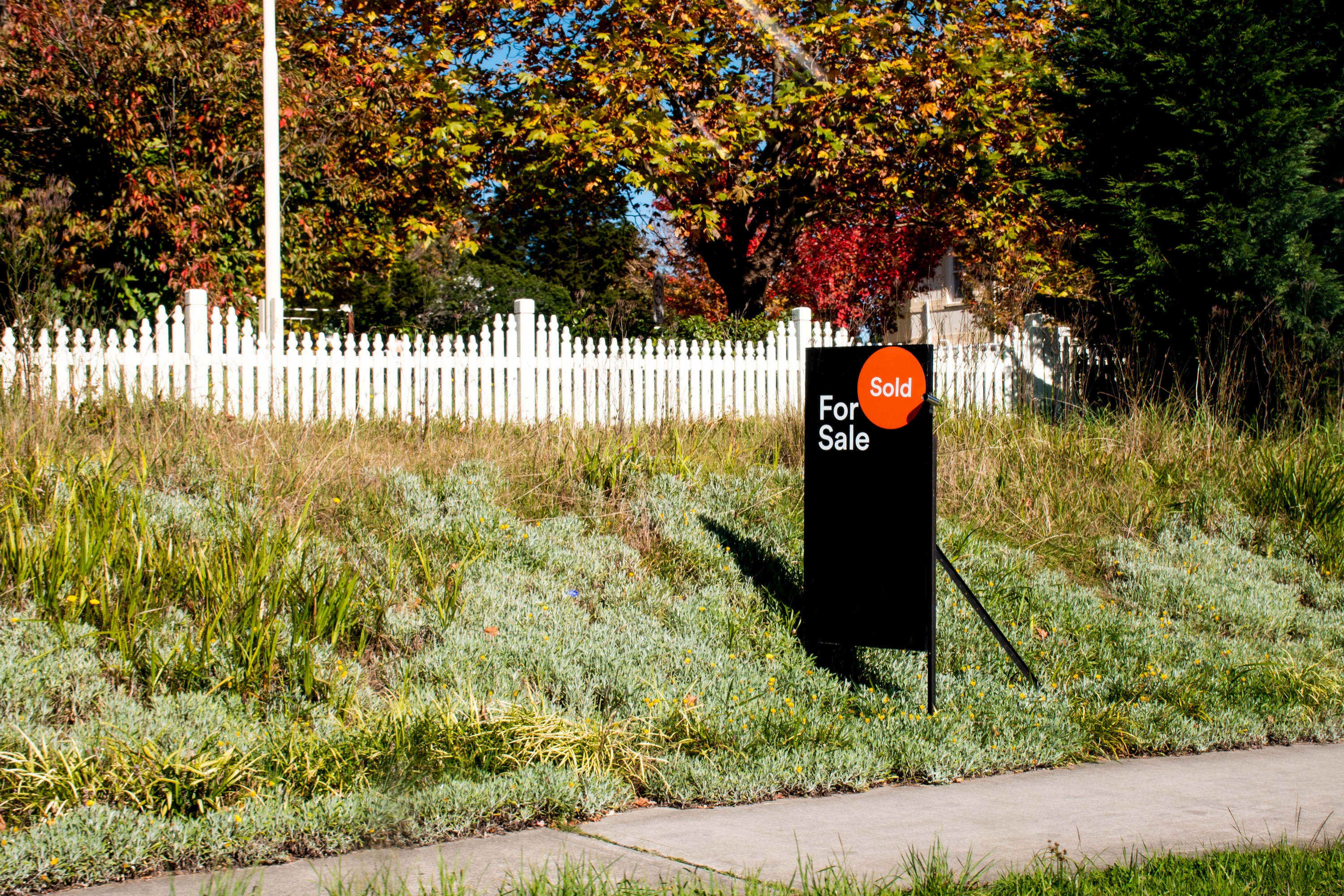
My investor clients don’t wait for MLS listings. They make offers on properties before the For Sale sign goes up. That’s how you win in Silicon Valley’s competitive real estate market.
Whether you’re closing on your next $2M flip in Cupertino or scaling to multiple properties, the strategies in this guide work. The investors who execute them consistently are the ones building real wealth in the Bay Area.
Ready to Access Off-Market Deals?
I work directly with serious investors to source distressed properties, structure offers, and execute profitable flips across Silicon Valley. If you’re ready to skip the MLS and buy right, let’s talk.
Join the Investor ListBrad Bell is a top 1% realtor and Coldwell Banker International President’s Award recipient specializing in investor clients and off-market deals throughout Silicon Valley. With 12 years of real estate experience and a deep network of wholesalers, contractors, and capital providers, Brad sources and executes distressed property transactions across San Jose, Santa Clara, Cupertino, Los Gatos, Saratoga, and the broader Bay Area. Contact Brad for investor representation, market analysis, or access to off-market opportunities.
Categories
Recent Posts