
Flipping Houses in Silicon Valley 2026: What Smart Investors Need to Know Before Buying Distressed Properties
Flipping houses in Silicon Valley in 2026 requires a sharp understanding of local permit timelines, renovation costs that run 40-60% above national averages, and a market where even distressed properties attract multiple offers — here's what experienced investors are doing differently to stay profitable.
Flipping Houses in Silicon Valley 2026: What Smart Investors Need to Know Before Buying Distressed Properties
Silicon Valley's housing market has always rewarded investors who move fast and think clearly. But 2026 is a different animal. With median home prices in Santa Clara County hovering around $1.85 million, mortgage rates dipping below 6.3%, and inventory sitting at barely three weeks of supply in top-tier neighborhoods, flipping distressed properties here demands more than a general contractor and a bank account. It demands a hyperlocal strategy built on real data.
I've worked with dozens of investor clients across 15+ Silicon Valley communities, and the ones who profit consistently aren't the ones with the biggest budgets. They're the ones who understand which neighborhoods have the widest spread between distressed purchase prices and after-repair values, which permit offices move fastest, and which renovation choices actually move the needle on appraisals in this market.
Where the Deals Are: Silicon Valley's Best Flip Neighborhoods in 2026
Not every Silicon Valley ZIP code makes sense for investors. The sweet spots are communities where older housing stock (1950s-1970s ranch homes) sits alongside recently renovated comps selling at significant premiums. That spread is your profit margin, and it varies wildly from one neighborhood to the next.
East San Jose (Alum Rock, Evergreen) continues to offer the lowest entry points in the valley, with distressed properties sometimes trading below $900K. But the ARV ceiling is also lower, typically $1.2-1.4M for a well-executed flip. The math works if you keep renovations under $180K and your timeline under five months.
Cambrian Park and Willow Glen edges in San Jose are where experienced investors are concentrating in 2026. Original 1960s ranch homes on 6,000+ square-foot lots are trading between $1.1-1.3M in distressed condition. After a full renovation — updated kitchen, bathrooms, open floor plan, modern landscaping — these homes consistently appraise at $1.7-1.9M. That $400-600K spread, minus renovation costs of $200-280K, leaves meaningful profit even after carrying costs and transaction fees.
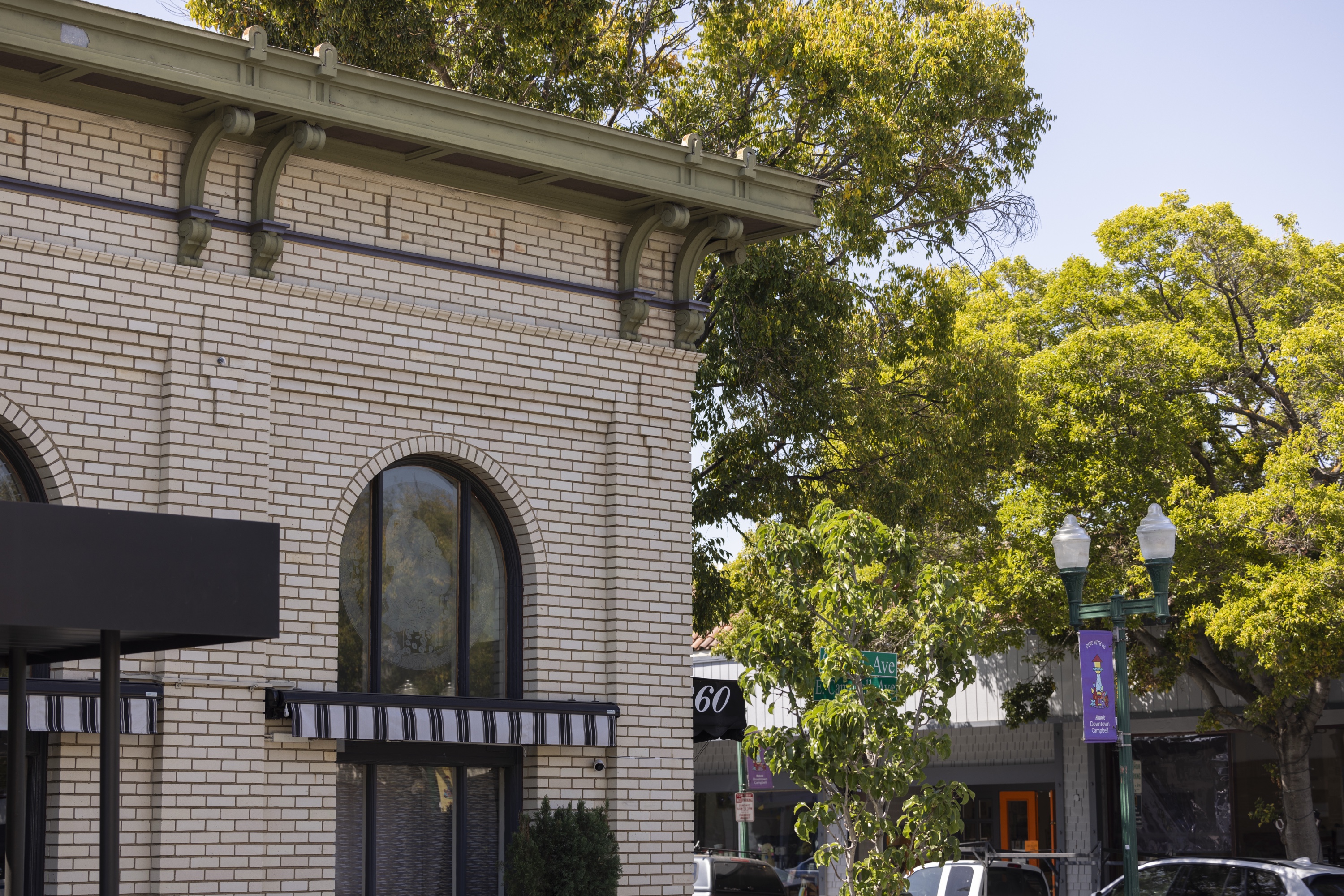
Campbell and parts of West San Jose offer a compelling middle ground. The downtown Campbell walkability premium means renovated homes near the Pruneyard or downtown corridor command outsized prices relative to acquisition cost. I've seen investors purchase estate sale properties on Winchester Boulevard for $1.2M and sell renovated versions at $1.75M within six months.
Sunnyvale's older neighborhoods near downtown and Murphy Avenue are another hotbed. The proximity to Apple, Google, and LinkedIn campuses means tech-employee buyers will pay premium prices for move-in-ready homes. Distressed properties here trade at $1.3-1.5M; renovated comps consistently clear $2M+.
The Numbers That Matter: Renovation Costs in Silicon Valley vs. the Rest of the Country
If you're coming from a market where a full-gut kitchen renovation costs $45K, Silicon Valley will be a shock. Labor rates here are among the highest in the nation, permit fees are substantial, and material delivery timelines reflect Bay Area logistics challenges. Here's what realistic budgets look like in 2026:
Kitchen (Full Gut)
National avg: $35-50K
Silicon Valley: $65-95K
Premium countertops, custom cabinetry, and high-end appliances are expected in this market — buyers notice builder-grade instantly.
Primary Bathroom
National avg: $15-25K
Silicon Valley: $30-50K
Heated floors, frameless glass showers, and dual vanities are baseline expectations for homes priced above $1.5M.
ADU / In-Law Suite
National avg: $80-120K
Silicon Valley: $180-320K
Adding an ADU can increase ARV by $300-500K in the right neighborhoods. SB 9 and AB 2011 streamline permits.
Landscaping / Curb Appeal
National avg: $10-20K
Silicon Valley: $25-55K
Drought-tolerant landscaping, mature plantings, and hardscaping are non-negotiable. First impressions drive offers above asking.
Permit Timelines: The Hidden Variable That Kills Flip Profits
This is where out-of-area investors consistently underestimate Silicon Valley. Permit timelines vary dramatically by city, and a two-month delay in permits is a two-month extension of carrying costs on a hard-money loan at 10-12% annual interest.
San Jose has improved significantly under their digital permitting system. Straightforward kitchen/bath remodels with no structural changes are seeing 2-3 week turnaround times for plan review. Structural work (removing walls, adding square footage) still takes 6-10 weeks.
Cupertino is notoriously slow — plan review for anything beyond cosmetic work routinely takes 8-12 weeks. Factor this into your carrying cost calculations. A $1.5M hard-money loan at 11% costs roughly $13,750/month in interest alone.
Campbell and Los Gatos fall in the middle at 4-6 weeks for standard renovations. Both cities have responsive building departments, but inspections need to be scheduled 5-7 business days in advance.

Sunnyvale offers one of the fastest turnarounds in the valley for residential permits — typically 2-4 weeks for standard remodels. Their online portal is efficient, and the inspection scheduling is reliable. This is one reason Sunnyvale continues to attract flip investors.
Financing the Flip: What's Working in 2026
Traditional mortgages don't work for flips — you need capital that moves as fast as you do. Here's what Silicon Valley investors are using in 2026:
Hard money loans remain the most common financing vehicle. Local Bay Area hard money lenders are offering 10-12% interest rates with 1-2 points on origination, 65-75% LTV based on purchase price, and 12-18 month terms. For experienced flippers with a track record, rates drop to 9-10%.
DSCR loans (Debt Service Coverage Ratio) are gaining traction for investors who plan to hold the property for 6+ months. These qualify based on the property's rental income potential rather than the borrower's W-2 income — particularly useful for tech employees whose RSU income fluctuates quarterly.
Private money and partnerships are increasingly common among Silicon Valley tech workers. An engineer at Apple or Google with $500K in vested RSUs partners with an experienced flipper who manages the renovation. Profits split 50/50 or 60/40, and both parties benefit from the other's expertise.
What Renovated Buyers Actually Want in 2026
Flipping profitably isn't about installing the most expensive finishes — it's about matching renovations to what buyers in specific neighborhoods actually value. As a Silicon Valley native and top 1% Coldwell Banker Global Luxury specialist consistently averaging over $2 million per transaction, here's what I've seen move the needle on Silicon Valley appraisals and buyer offers:
Open floor plans remain the single highest-ROI structural change. Removing the wall between kitchen and living room in a 1960s ranch home typically costs $15-25K (including engineering, permits, and structural beam) and adds $60-100K in perceived value.
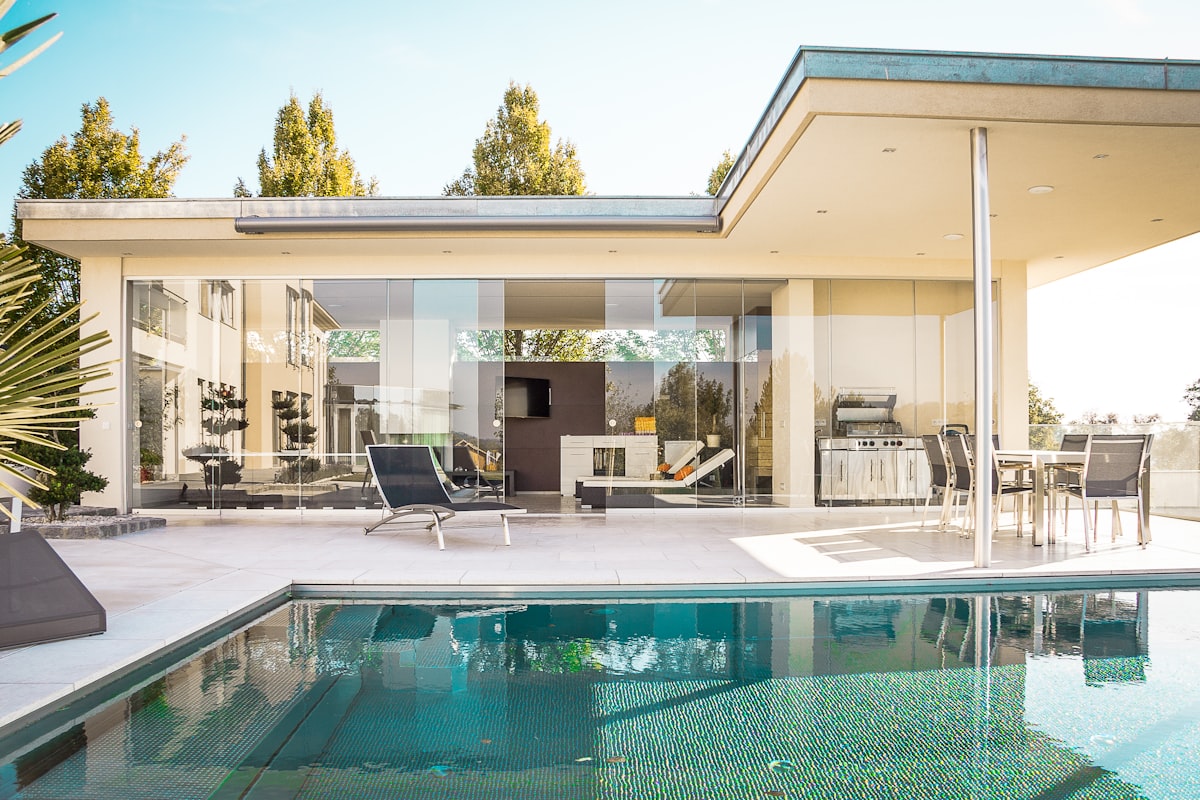
Indoor-outdoor living is especially powerful in the South Bay. Folding glass doors (NanaWall or similar) connecting kitchen/living to a landscaped backyard consistently push offers above comparable comps. Budget $20-35K for the doors; expect $80K+ in added value.
ADU potential or completion dramatically changes the buyer pool. In neighborhoods zoned for ADUs (most of Silicon Valley post-SB 9), even having permitted plans ready for an ADU addition can add $100-150K to the sale price. A completed ADU adds $300-500K depending on location and finish level.
Smart home integration matters to tech-employee buyers. Whole-home networking (Cat6 in every room, Ubiquiti access points), Lutron lighting, smart HVAC, and EV charger-ready garages are relatively low-cost additions ($8-15K total) that signal "tech-forward" to the exact buyer demographic paying top dollar in Silicon Valley.
Red Flags: Properties to Avoid
Not every cheap property is a good flip. Silicon Valley has specific hazards that can turn a promising deal into a money pit:
Knob-and-tube wiring in pre-1940s homes (common in parts of Willow Glen and Los Gatos) requires full electrical rewiring — budget $30-50K and 4-6 weeks minimum. Insurance companies increasingly refuse to cover homes with active knob-and-tube.
Older Eichler homes (common in Sunnyvale, Palo Alto, South San Jose) have unique challenges: radiant floor heating systems that are expensive to repair, post-and-beam construction that limits structural modifications, and preservation-minded neighborhoods that restrict exterior changes.
Environmental issues including old underground storage tanks (common in properties near former orchards), asbestos in pre-1980 popcorn ceilings and floor tiles, and lead paint. Remediation costs can exceed $50K and add months to your timeline.
Flood zones and fire zones — certain foothill properties in Los Gatos, Saratoga, and parts of Cupertino carry wildfire risk that dramatically increases insurance costs and reduces the buyer pool.
Ready to Invest in Silicon Valley Real Estate?
Whether you're an experienced flipper eyeing your next distressed property or a tech professional exploring your first investment, I can help you identify opportunities, analyze the numbers, and execute a profitable flip strategy. Let's talk about your investment goals.
Schedule Your Investor Strategy CallCategories
Recent Posts