
End of Q1 Data Dump: How Did Silicon Valley Real Estate Perform in Q1 2026?
End of Q1 Data Dump: How Did Silicon Valley Real Estate Perform in Q1 2026?
Three months of data tell a compelling story — here’s what the numbers reveal about where Silicon Valley’s housing market is heading.
The first quarter of 2026 is officially in the books, and as a Silicon Valley real estate professional ranked in the top 1% of realtors nationwide, I can tell you this: Q1 was a quarter of contradictions. Prices moved in different directions depending on where and what you were buying, mortgage rates climbed higher than most expected, and inventory remained stubbornly tight across Santa Clara County. Let me walk you through what actually happened — and what it means for buyers, sellers, and investors heading into the spring market.
If you’ve been following my monthly market updates, you know I believe in letting the data do the talking. So let’s dig into the Q1 2026 Silicon Valley real estate numbers city by city, segment by segment.
The Big Picture: Santa Clara County Q1 2026
The headline number for Santa Clara County in early 2026 is a median home price of $1.5 million, representing a modest 3.5% decline compared to Q1 2025. But that top-line figure masks significant variation underneath. Single-family homes — the backbone of Silicon Valley real estate — actually posted a 1% year-over-year gain in median sale price, holding steady against macroeconomic headwinds.
Condos told a very different story. The median condo price in Santa Clara County dropped to $955,000, a sharp 17.1% decline year-over-year. That divergence between single-family and condo performance has been widening for three consecutive quarters now, and it’s something every buyer and investor should be watching closely.

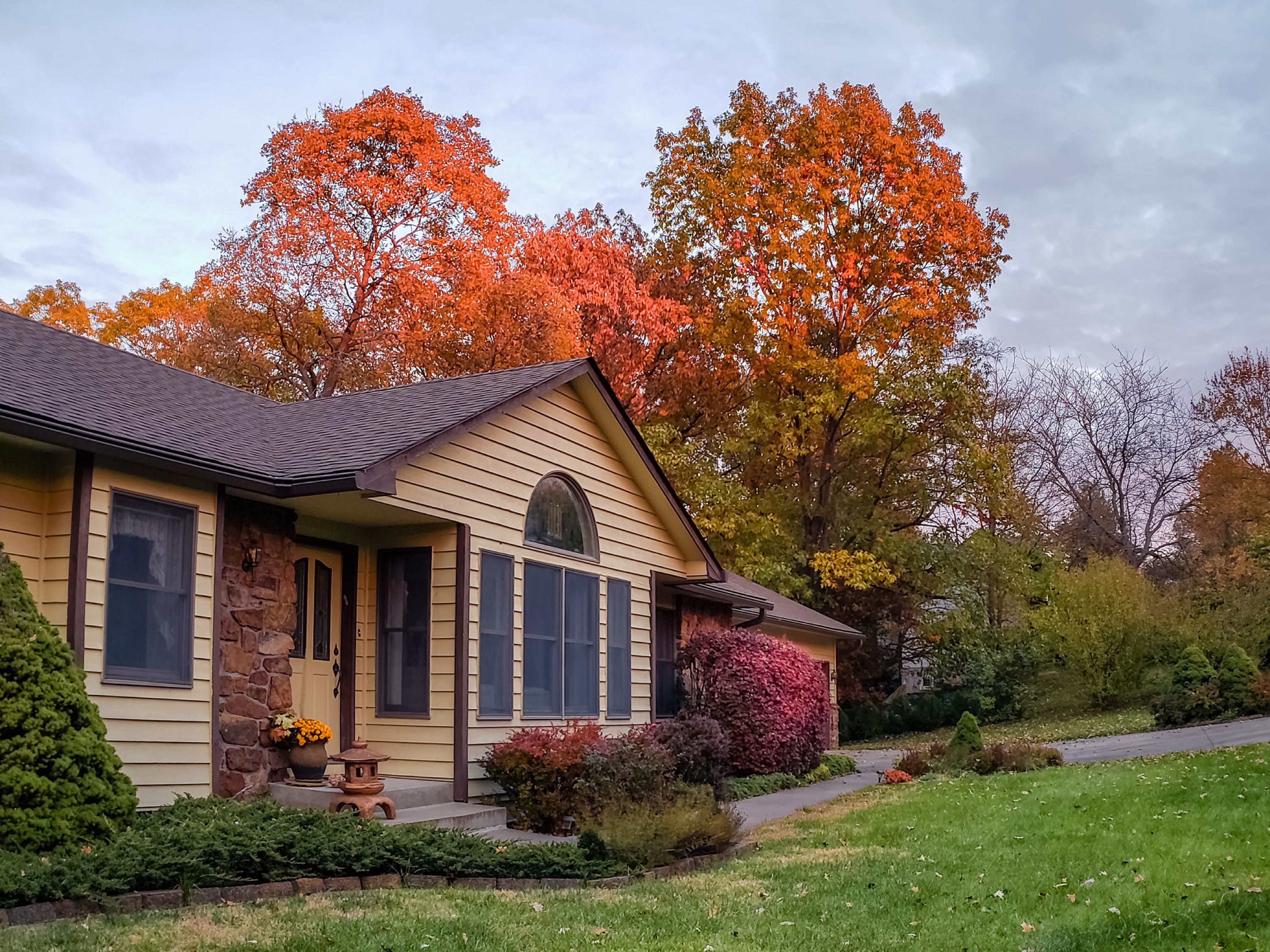
Single-family homes in Silicon Valley continued to hold value through Q1 2026 while the condo market softened.
City-by-City Breakdown: Where the Action Was
As always in Silicon Valley real estate, location is everything. Here’s how the major markets performed during Q1 2026:
Cupertino
The Apple HQ neighborhood surged with an average home value of $3.1 million, up 5.9% year-over-year. February 2026 saw a stunning 33.4% median price jump to $3.2M — driven by limited inventory and strong tech-sector demand near the Apple Park campus.
San Jose
The county’s largest city saw its median sale price settle at $1.3 million, down 7.5% from a year ago. However, the average home value of $1.46M is actually up 0.7%, suggesting the mix of homes selling shifted toward the lower end of the market.
Los Gatos
Average home values in Los Gatos pulled back to $2.5 million, down 8.7% year-over-year. Homes are going pending in about 22 days — still fast by national standards, but a notable cooldown from the frenzy of 2024-2025 in this premium market.
Silicon Valley Luxury Segment
The luxury market (homes above $3M) remained white-hot with a median of $3.4 million, a 53% sales ratio, and homes selling in just 8 days on average — above asking price. Buyers at this level are decisive and well-capitalized.
What jumps out to me after tracking this market for years is the growing bifurcation. Cupertino and the luxury segment are in a completely different market than San Jose condos. If you’re a buyer or seller in Cupertino, Sunnyvale, or Saratoga, you’re dealing with ultra-competitive conditions. In some San Jose neighborhoods, there’s actually room to negotiate — something that would have been unthinkable two years ago.
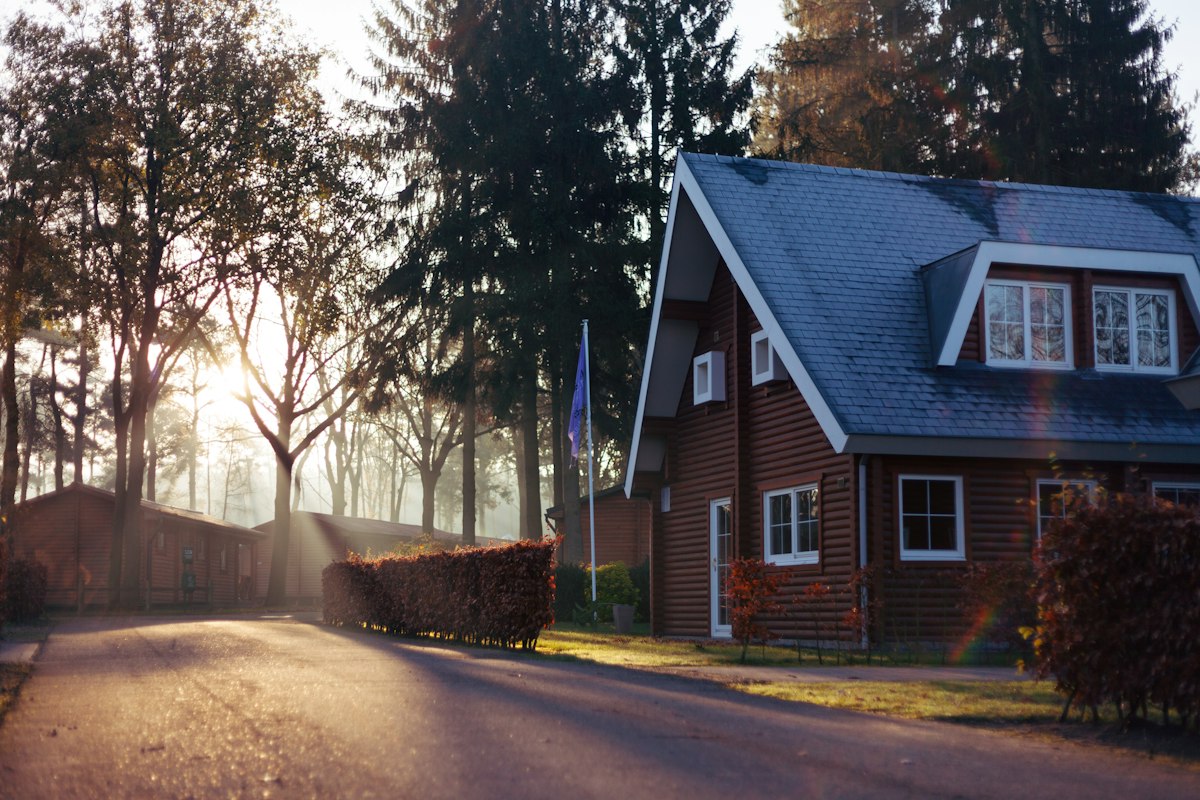
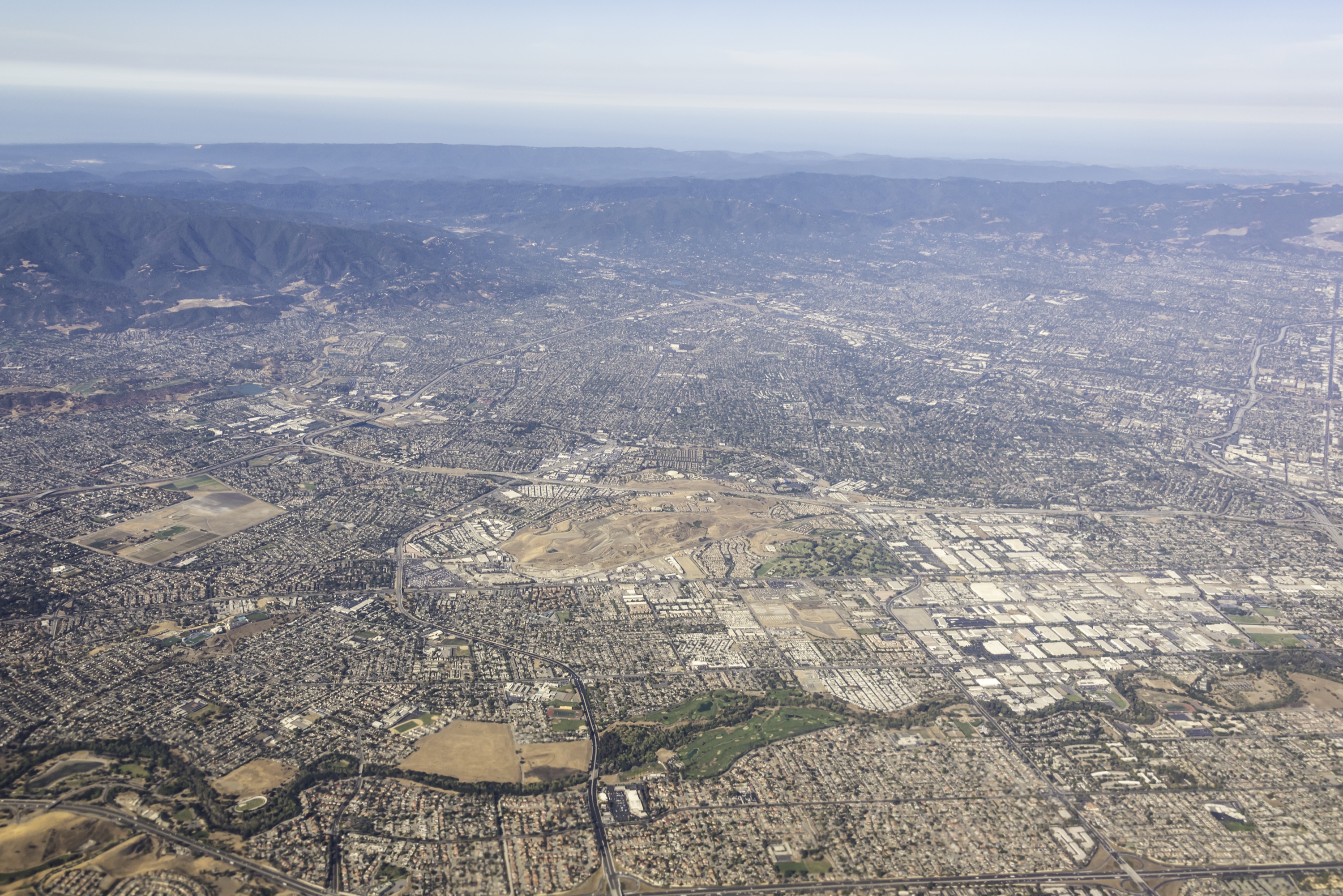
Suburban neighborhoods across Santa Clara County tell different pricing stories depending on school district and proximity to tech campuses.
Mortgage Rates: The Q1 Wild Card
If there was one factor that defined Q1 2026, it was mortgage rates. As of March 31, the 30-year fixed-rate mortgage sits at 6.36% to 6.38%, according to Freddie Mac and Zillow. That’s up roughly half a percentage point from where rates sat in February — a significant jump that caught many buyers off guard.
For context, a half-point rate increase on a $1.5 million purchase with 20% down adds roughly $480 per month to your payment. That’s not trivial, and it explains some of the softening in the entry-level and mid-range segments.
Q1 2026 Mortgage Rate Snapshot
The 15-year fixed at 5.75% is worth highlighting for buyers who can handle the higher monthly payment. On a $1.2 million loan, the difference in total interest paid over the life of the loan versus the 30-year option is staggering — well over $400,000 in savings. I’ve been recommending this option to my tech-employee clients whose RSU vesting schedules give them the cash flow flexibility.
Inventory: Still the Tightest Market in the Country
The Bay Area’s Unsold Inventory Index sits at just 2.2 months as of Q1 2026. For perspective, a balanced market is typically 4 to 6 months of inventory. We are nowhere close to that. In the luxury segment specifically, well-priced homes in Mountain View, Palo Alto, and Los Altos are attracting multiple offers within the first week.
California statewide, Redfin counted 85,159 homes for sale in January 2026, with new listings down about 10% year-over-year. The California Association of Realtors forecasts active listings up 10% for the full year, but we haven’t seen that materialize yet in Silicon Valley. Most homeowners who locked in sub-4% mortgage rates in 2020 and 2021 have very little incentive to sell and take on a 6%+ rate on their next home. This “lock-in effect” continues to constrain supply.

Luxury homes in premium Silicon Valley neighborhoods continue to attract strong buyer interest with limited inventory driving competition.
What Q2 2026 Looks Like: My Forecast
As a Coldwell Banker International President’s Award recipient who has worked this market through multiple cycles, here is my honest read on what’s coming in Q2 2026:
Spring Inventory Bump Will Be Modest
We typically see a 15-20% increase in new listings between March and June. This year, I expect the increase to land closer to 10-12% due to the mortgage rate lock-in effect. More inventory helps buyers, but it won’t be enough to flip this to a buyer’s market.
Single-Family Prices Will Hold or Rise 2-4%
The combination of limited supply, strong tech-sector employment, and ongoing demand from relocating professionals will keep single-family prices stable. Cities like Cupertino, Saratoga, and Campbell are positioned for continued appreciation.
Condos Present Buying Opportunities
The 17% condo price decline is creating genuine value for first-time buyers and investors. If you’ve been priced out of single-family homes in San Jose or Sunnyvale, the condo market may be your entry point right now.
Rate-Sensitive Buyers Will Drive the Mid-Range
Any Fed signal toward rate cuts — even modest ones — will trigger a wave of pent-up demand in the $1M-$2M range. Sellers in this segment should be ready to list quickly when that happens.
What This Means for You
If You’re a Seller
Q1 data confirms that well-priced, well-prepared homes in desirable neighborhoods are still selling fast and above asking. The key word is “well-priced.” Overpriced homes are sitting longer than at any point since 2019, especially in the $1.5M-$2.5M range. My advice: get a professional comparative market analysis before you list, price strategically, and invest in pre-listing preparation. The homes that sell in 8 days versus 30 days almost always had better pre-market prep.
If You’re a Buyer
The condo market softening is real, and it’s creating opportunities I haven’t seen in this market in years. If you’re a tech employee using RSU income to qualify, work with a lender who understands vesting schedules — not all do. And if you’re targeting single-family homes in competitive markets like Cupertino or Mountain View, come prepared with pre-approval, appraisal gap coverage, and a flexible closing timeline.
If You’re an Investor
The spread between single-family and condo performance is an opportunity. Condos near tech campuses in Sunnyvale and North San Jose are trading at significant discounts to their 2024 peaks while rental demand remains strong. For buy-and-hold investors with a 5-year horizon, Q1 2026 pricing looks attractive.
What is the median home price in Santa Clara County in Q1 2026?
The median home price in Santa Clara County is approximately $1.5 million as of early 2026. Single-family homes averaged a 1% year-over-year gain while condos declined 17.1% to a median of $955,000.
Are home prices going down in San Jose in 2026?
The median sale price in San Jose is $1.3 million, down 7.5% year-over-year. However, the average home value is $1.46 million and actually increased 0.7%. The decline is partly driven by a shift in the mix of properties selling rather than a broad-based price collapse.
What are current mortgage rates in Silicon Valley for March 2026?
As of March 31, 2026, the 30-year fixed mortgage rate averages 6.36% to 6.38%. The 15-year fixed is at 5.75%, and 30-year jumbo loans (common in Silicon Valley) average 6.51%. Rates increased roughly half a percentage point during Q1.
Is Silicon Valley still a seller’s market in 2026?
Yes. The Bay Area Unsold Inventory Index is just 2.2 months, well below the 4-6 month threshold for a balanced market. In the luxury segment, homes sell in an average of 8 days above asking price. However, the condo segment and select price ranges are showing more balanced conditions.
When is the best time to sell a home in Silicon Valley in 2026?
Historically, late April through mid-June produces the highest sale prices in Silicon Valley. With the spring inventory bump expected to be modest this year, sellers who list in April and May will face less competition than usual while buyer demand peaks.
Q1 2026 gave us a Silicon Valley real estate market that rewards preparation and punishes assumptions. Whether you are buying, selling, or investing in San Jose, Cupertino, Sunnyvale, Campbell, Los Gatos, Saratoga, or anywhere else in the Valley, the data is clear: know your micro-market, price with precision, and move with confidence.
I publish these market updates every month because I believe informed clients make better decisions. If you want this data customized for your specific neighborhood, I am always happy to put together a personalized market report.
Get Your Custom Q2 2026 Market Report
Subscribe for monthly market updates delivered straight to your inbox — or schedule a one-on-one consultation to discuss your specific buying or selling goals.
Subscribe for Market UpdatesCategories
Recent Posts